



Duart Castle: The Crag-Top Stronghold of Clan Maclean
Perched dramatically on a high, weather-beaten cliff guarding the Sound of Mull, Duart Castle is one of Scotland’s most recognizable and fiercely historic coastal fortresses. Serving as the ancestral seat and home of the Chief of Clan Maclean, this medieval stronghold dates back to the 13th century, where its exceptionally thick stone walls were designed to withstand both rival clan sieges and the ferocious winter gales of the Inner Hebrides. For centuries, it controlled the vital maritime highway of the West Coast, surviving a turbulent timeline of executions, betrayals, and military assaults. Today, it remains a profoundly moving destination that offers visitors an authentic window into Gaelic clan heritage, maritime history, and the continuous effort required to keep Scotland's vulnerable ancient architecture standing against the elements.
The Legacy of the Macleans and the Reconstruction of a Ruin
The castle's recorded history began in earnest in the 14th century when it became the dowry of Mary Macdonald, daughter of the Lord of the Isles, upon her marriage to Lachlan Lubanach Maclean, the 5th Clan Chief. The Macleans expanded the site by building an imposing stone keep, which became the nerve center of their regional power. However, the castle was lost to their bitter rivals, the Campbells, in the late 17th century, subsequently falling into complete ruin and spending over 150 years roofless, abandoned, and at the mercy of the Atlantic climate. The modern chapter of Duart began in 1911, when the 26th Chief, Sir Fitzroy Maclean, bought the ruin back and dedicated his fortune to rebuilding it. It stands today as one of the very few original clan seats that has survived as both an active family home for the current Chief and a living museum open to the public.
A Massive, Decade-Long Battle Against the Scottish Elements
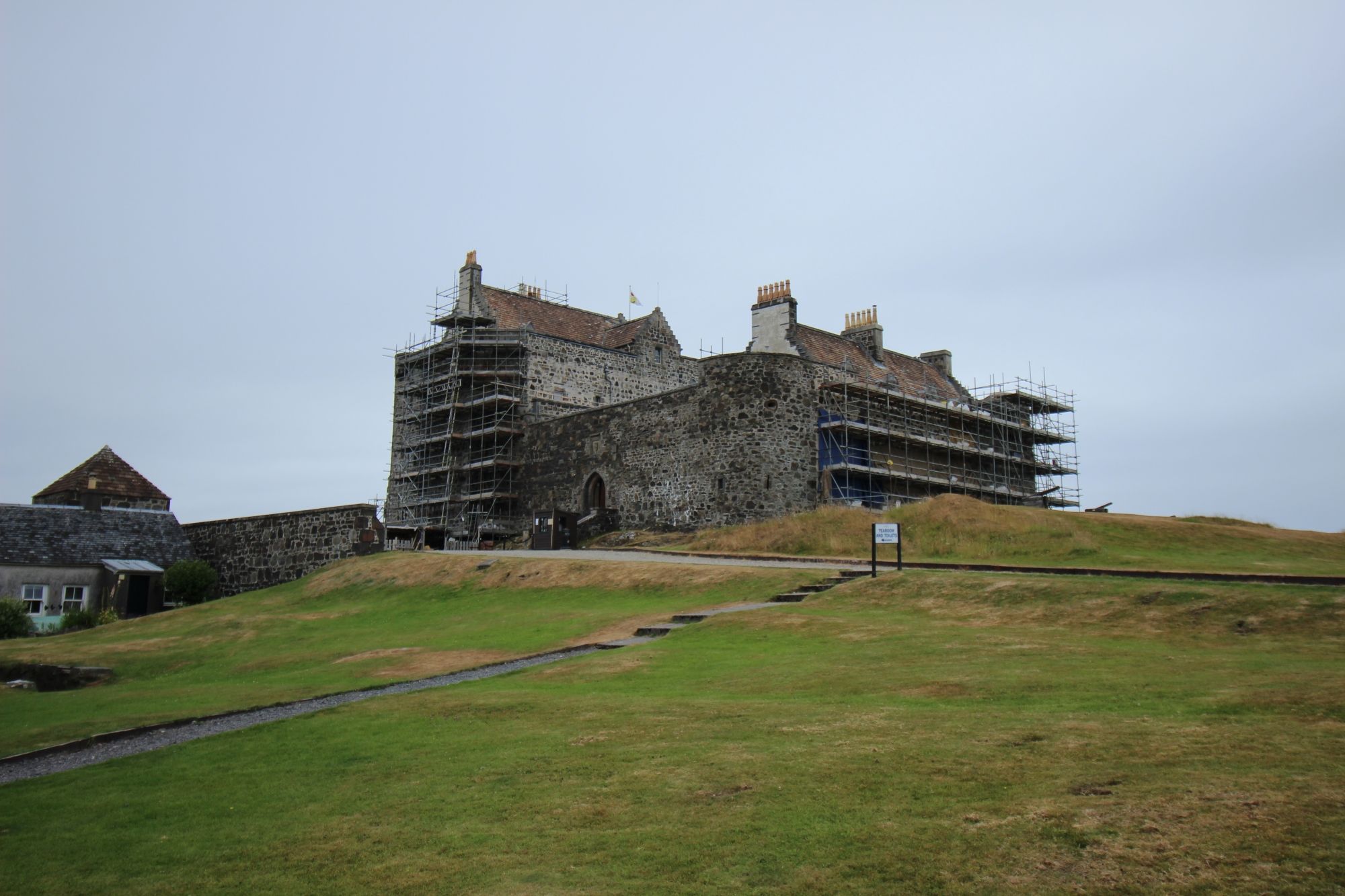
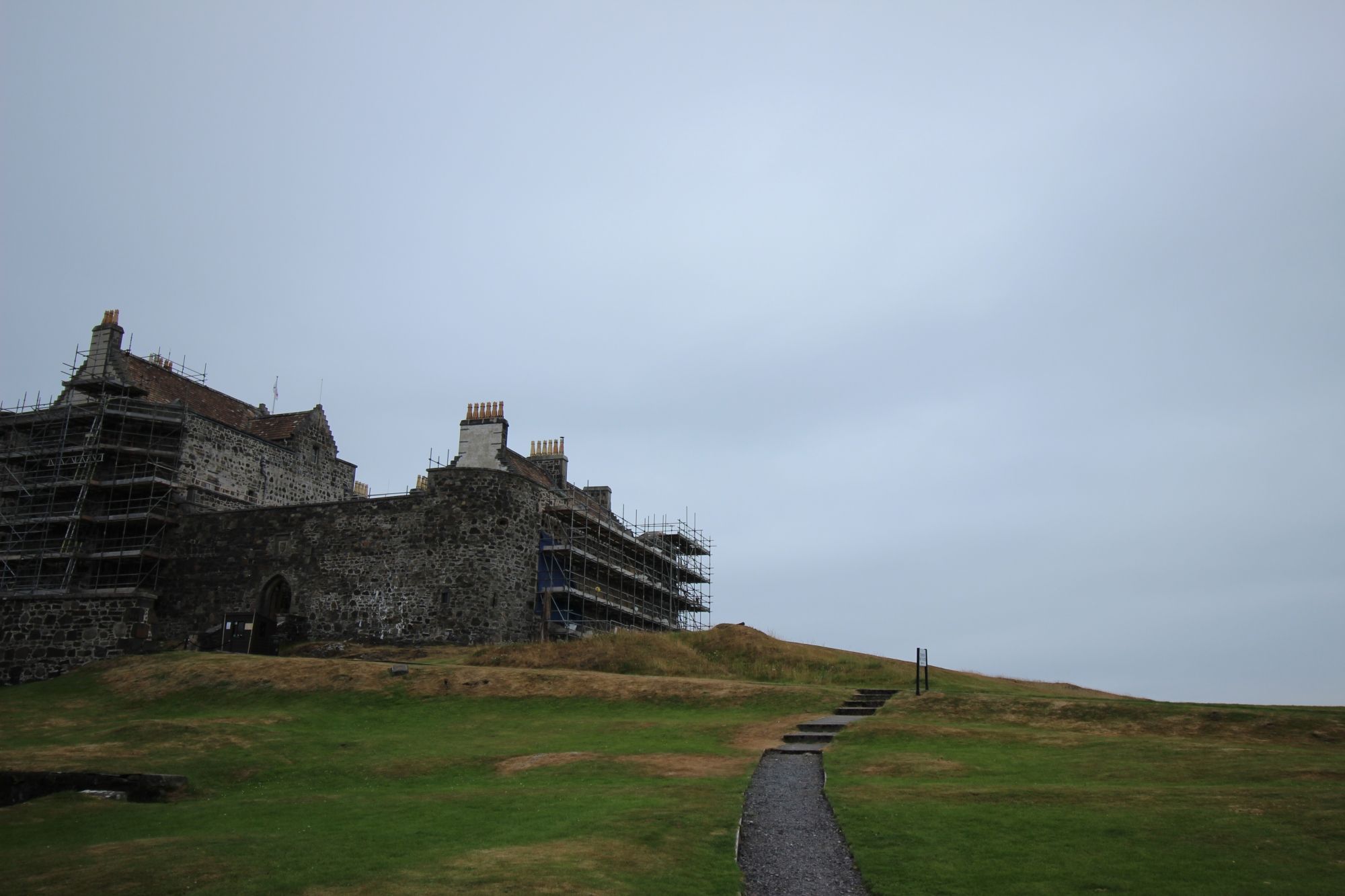
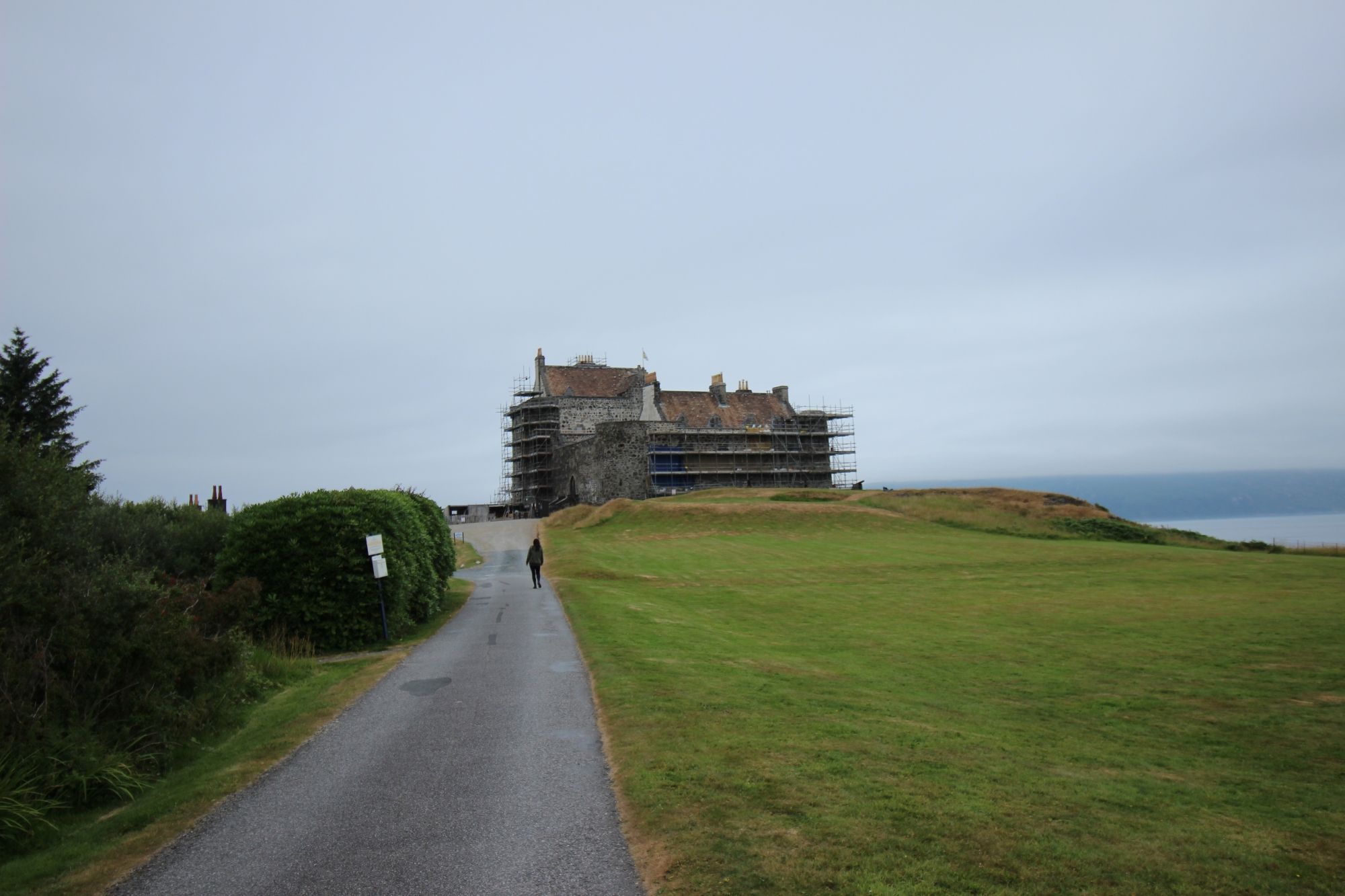
Visitors approaching Duart Castle via the Oban-to-Craignure ferry will immediately notice that this ancient monument is in the midst of a massive, long-term conservation effort. Following a series of catastrophic winter storms that caused severe water penetration and brought down several interior plaster ceilings, a comprehensive, multi-phase restoration project was launched to make the castle entirely watertight. Because the structure has been in active renovation for the last few years, portions of its iconic, exposed stone walls are currently clad in heavy construction scaffolding. While this necessary scaffolding partially alters the classic "postcard" silhouette of the keep, it offers a fascinating, real-time look at specialized stonemasons meticulously raking out centuries-old mortar and repointing the 10-foot-thick walls to safeguard the historic interior artifacts from dampness.
Inside the Stronghold: From the Banqueting Hall to the Dungeon
Despite the ongoing exterior conservation works, the interior of Duart Castle remains fully accessible and packed with historical atmosphere. Stepping through the heavy front doors, visitors can explore the grand Banqueting Hall, which features deep-set windows, heavily beamed ceilings, and a striking display of historic Maclean family portraits and military coats of arms. The castle also houses a poignant Clan Exhibition, detailing the global diaspora of the Macleans and their role in Scotland's defining battles. For a more tactile encounter with medieval warfare, you can descend into the dark, chilling confines of the castle's original prison dungeon, or ascend the steep turnpike stairs to look out over the ancient battlements.
Practical Advice for Visitors in 2026
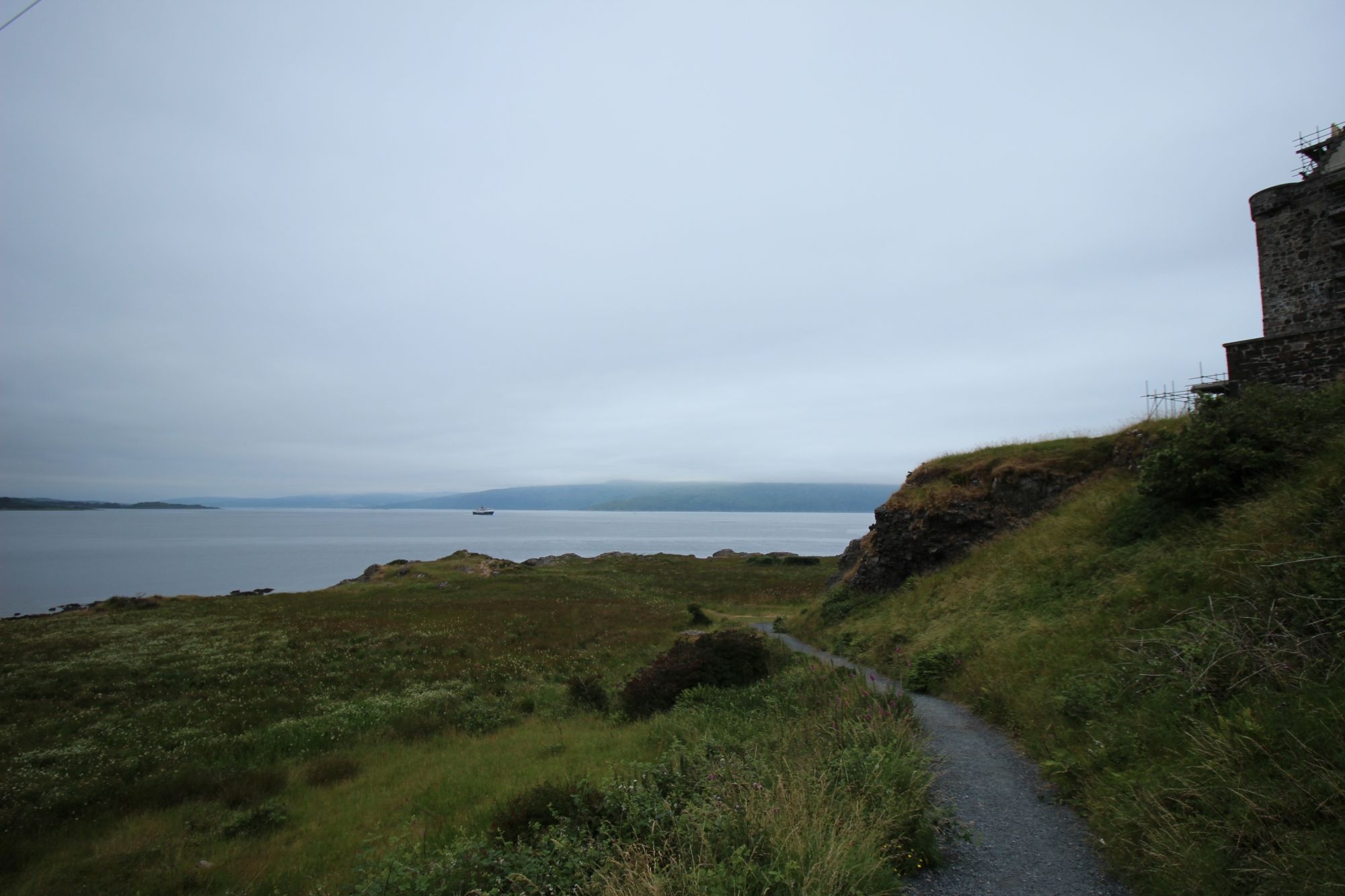
Duart Castle is easily reached from the ferry terminal at Craignure, located just a short drive or taxi ride away along a scenic coastal road. The site operates seasonally, typically opening its gates from April through October. Given that the scaffolding is an essential part of the castle’s survival story in 2026, photography enthusiasts are encouraged to capture unique close-up shots of the historic stone masonry rather than just wide landscapes. After touring the stone chambers, visitors can relax at the popular on-site tearoom, which serves excellent home-baked goods, or wander the castle grounds down to the rocky shoreline, where the views across the Sound of Mull to the mainland mountains remain completely uninterrupted by time.
Conclusion: A Living Symbol of Highland Resilience
Duart Castle represents far more than just a collection of ancient, battle-scarred stones; it is a living, breathing symbol of Highland resilience and identity. The current presence of scaffolding and active preservation crews is a testament to the enduring bond between the Maclean clan and their ancestral home—a commitment to ensuring that this grand coastal sentinel survives for centuries to come. Standing on the clifftop, feeling the sea breeze, and watching the ongoing revival of this legendary fortress provides a deeply authentic, memorable, and powerful Scottish experience.