


Drummond Castle Gardens: The Breathtaking Versailles of Scotland
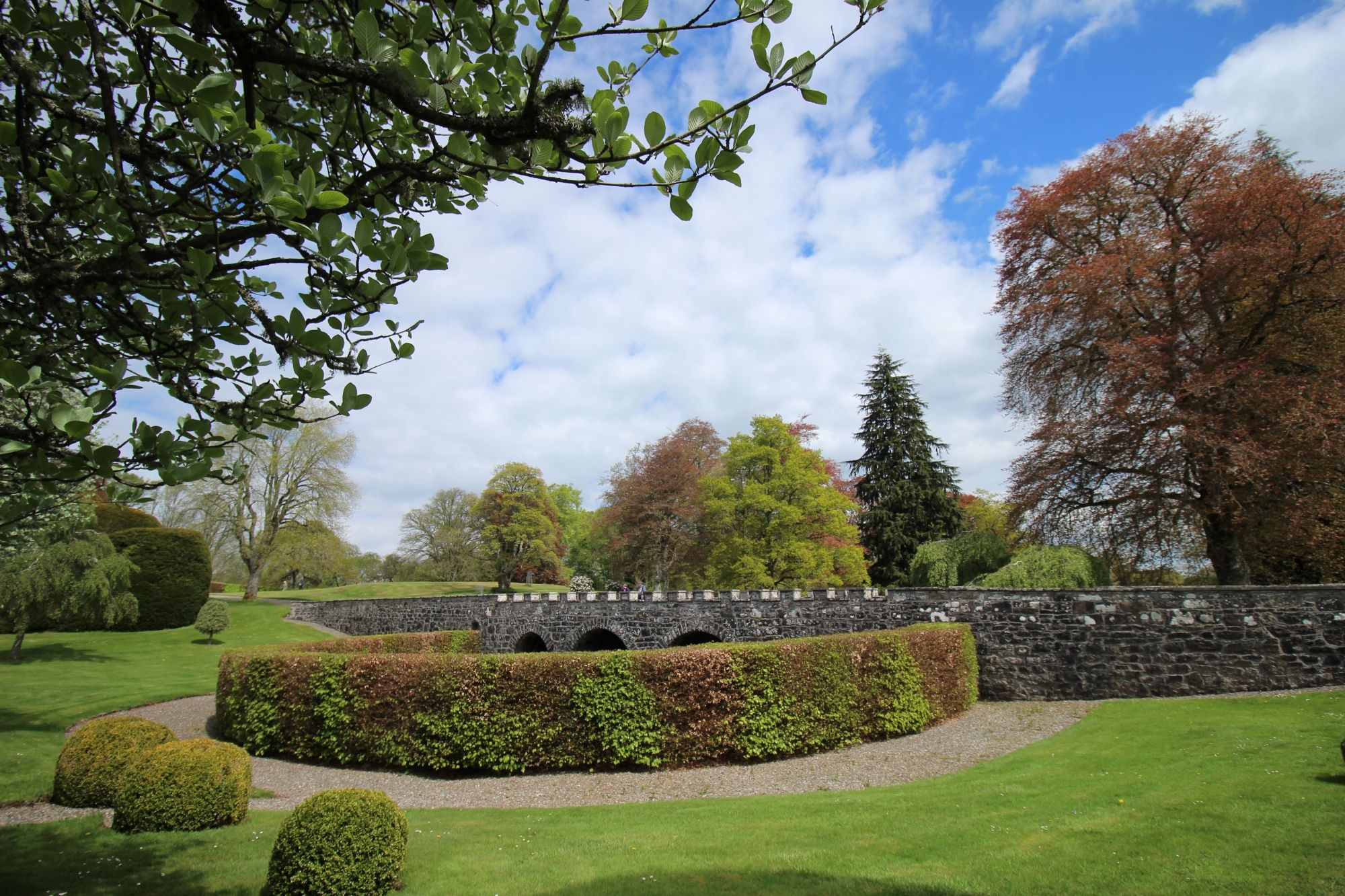
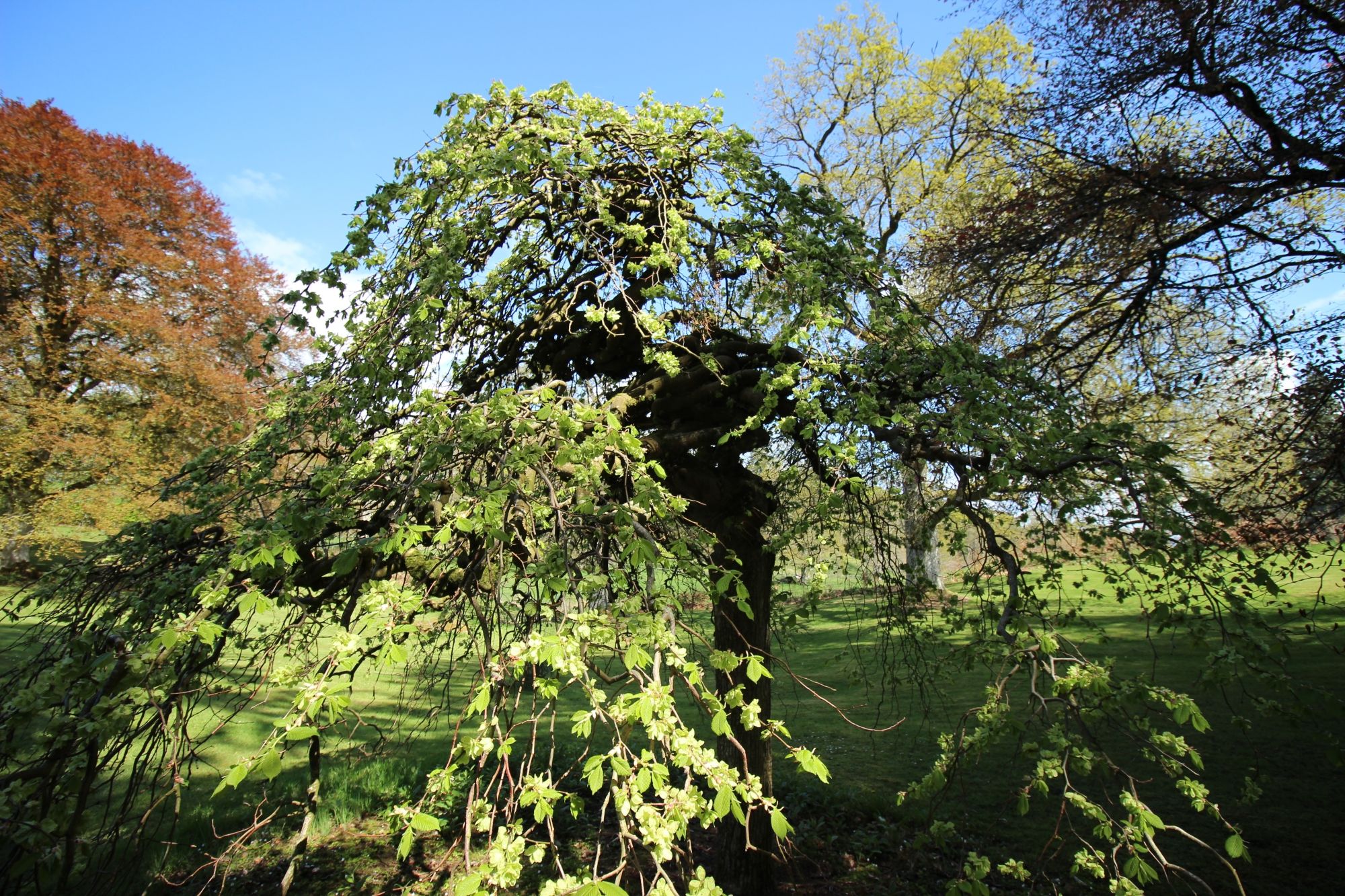
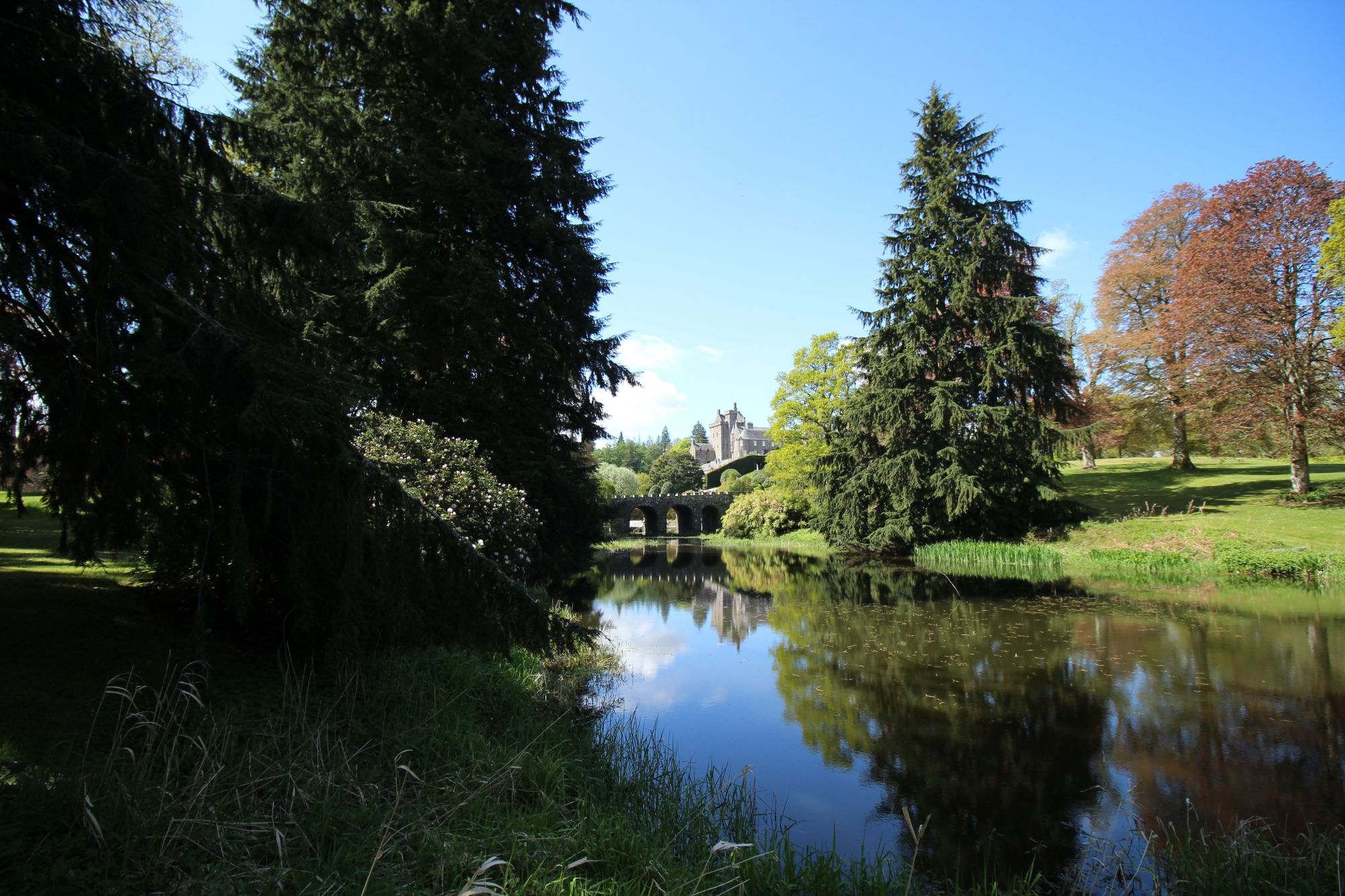
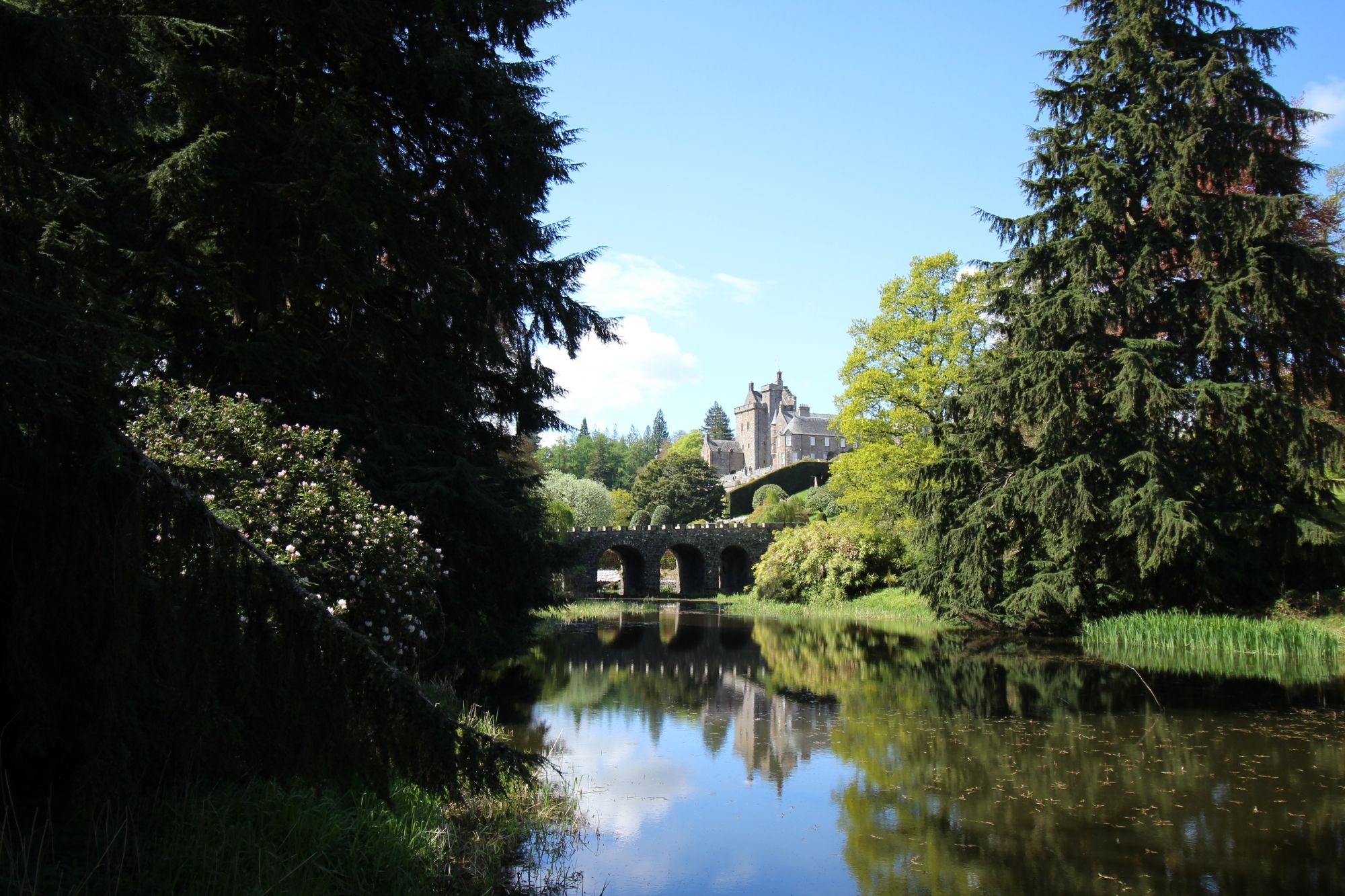
If you were to ask a local where to find the most impressive formal garden in the United Kingdom, they wouldn't point you toward London or the Cotswolds. Instead, they would lead you to a quiet corner of Perthshire, just south of Crieff. Here lies Drummond Castle Gardens, a place of such breathtaking geometric precision and historical depth that it has often been described as the "Versailles of Scotland." From the moment you enter the estate, you realize this is no ordinary park. The approach takes you through a mile-long avenue of beech trees, which creates a natural tunnel of green (or gold in autumn) that perfectly prepares you for the grandeur ahead.
The Dramatic "Reveal" of the Terraced Parterre
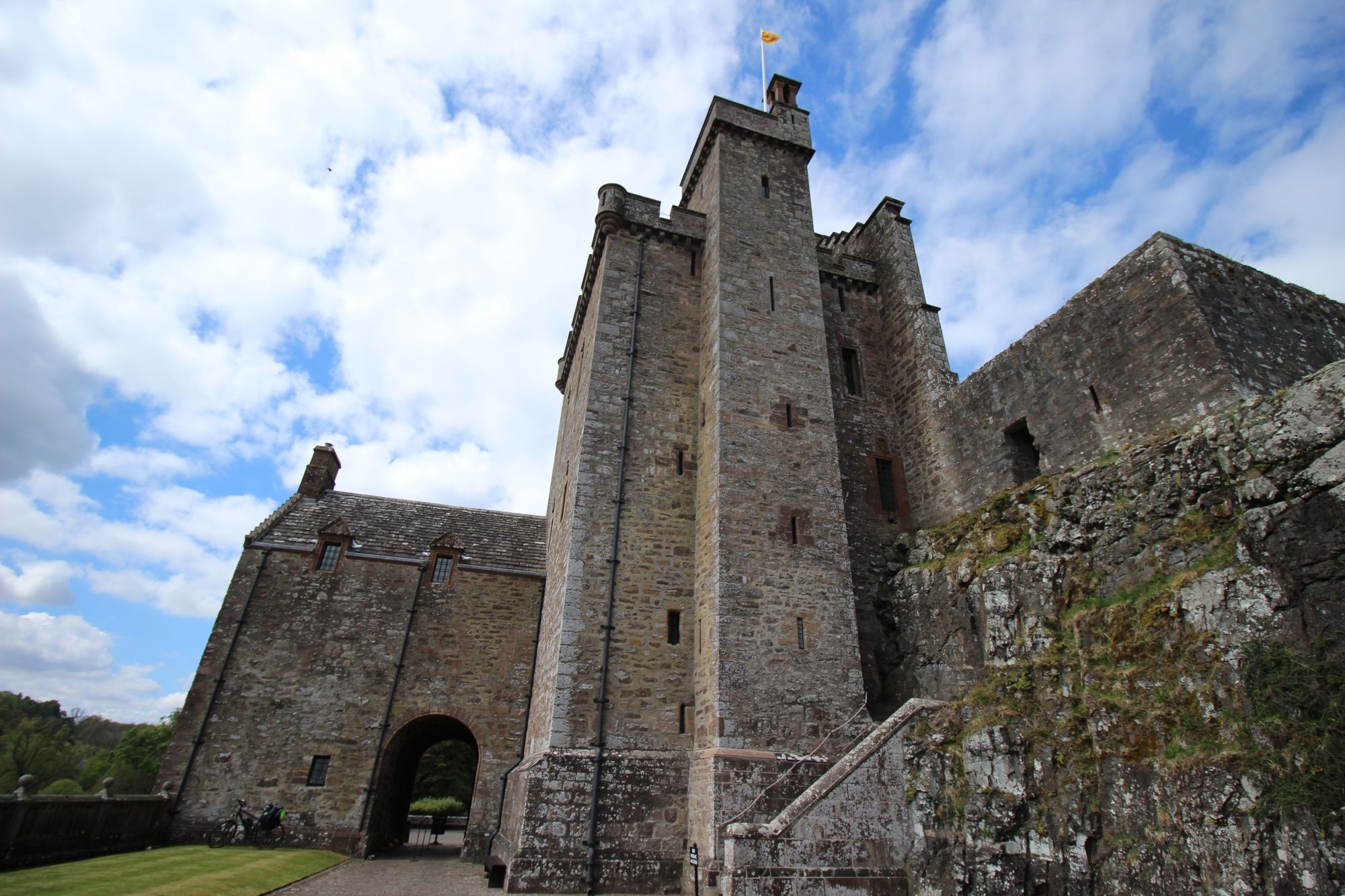
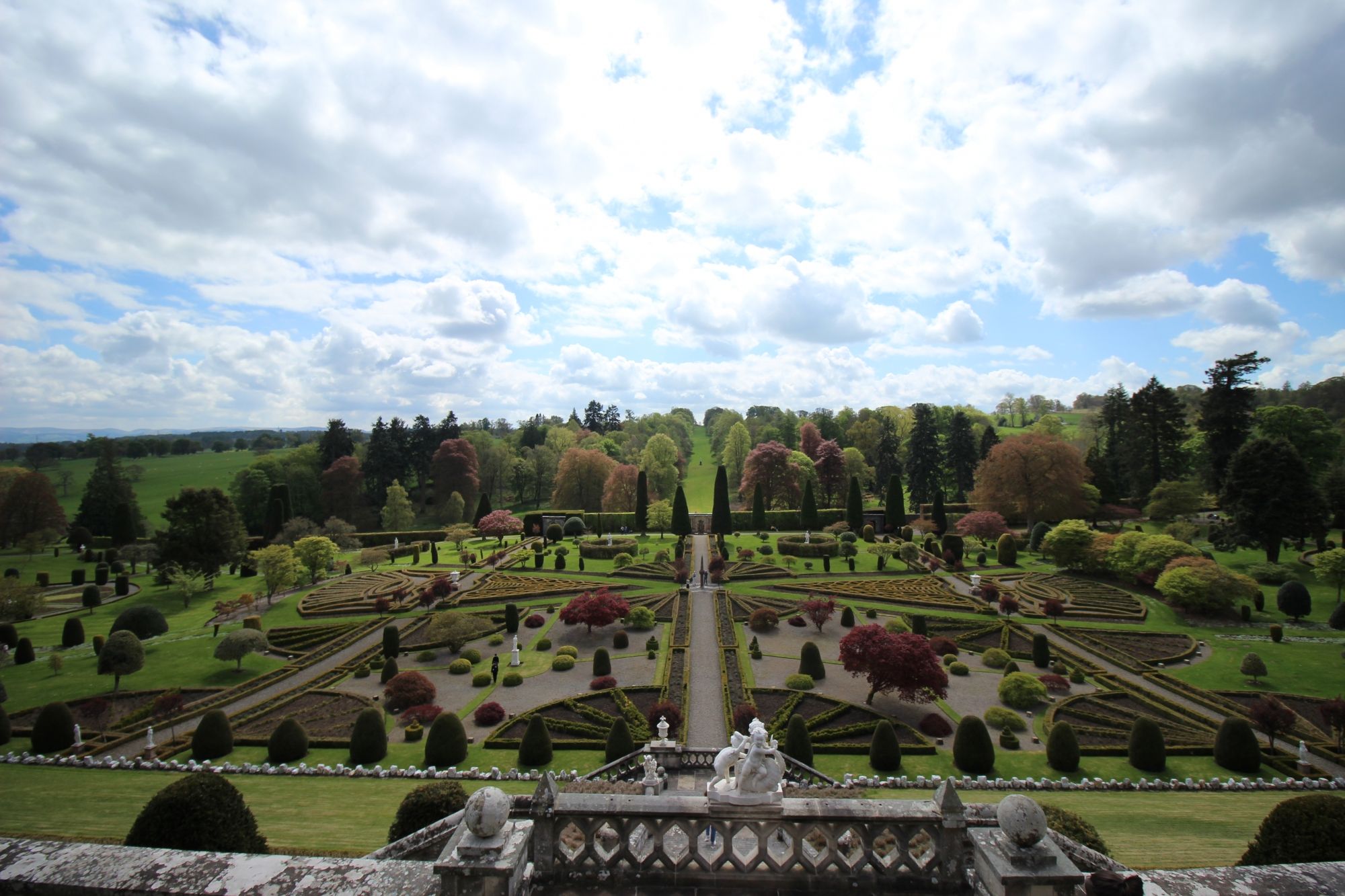
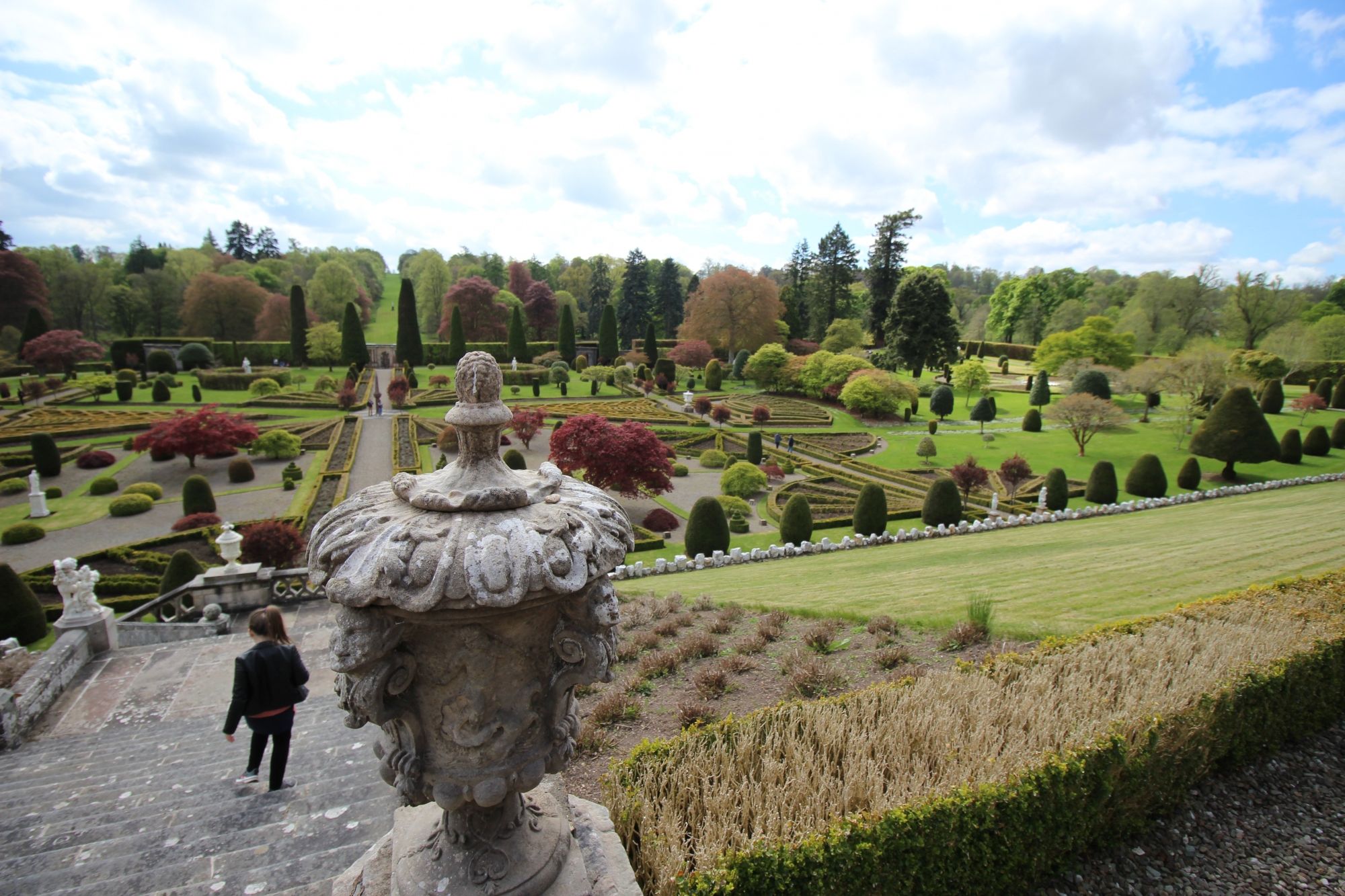
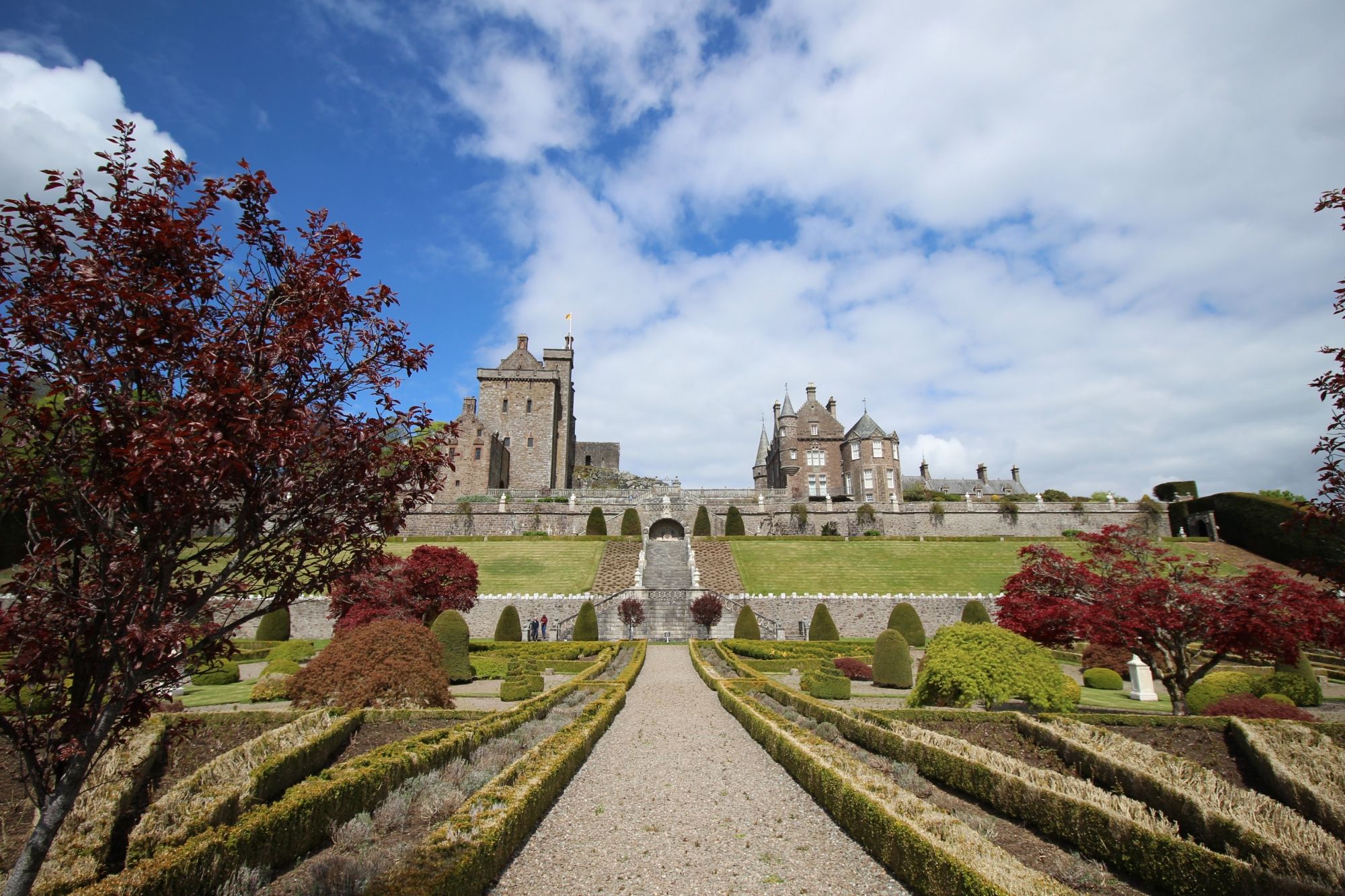
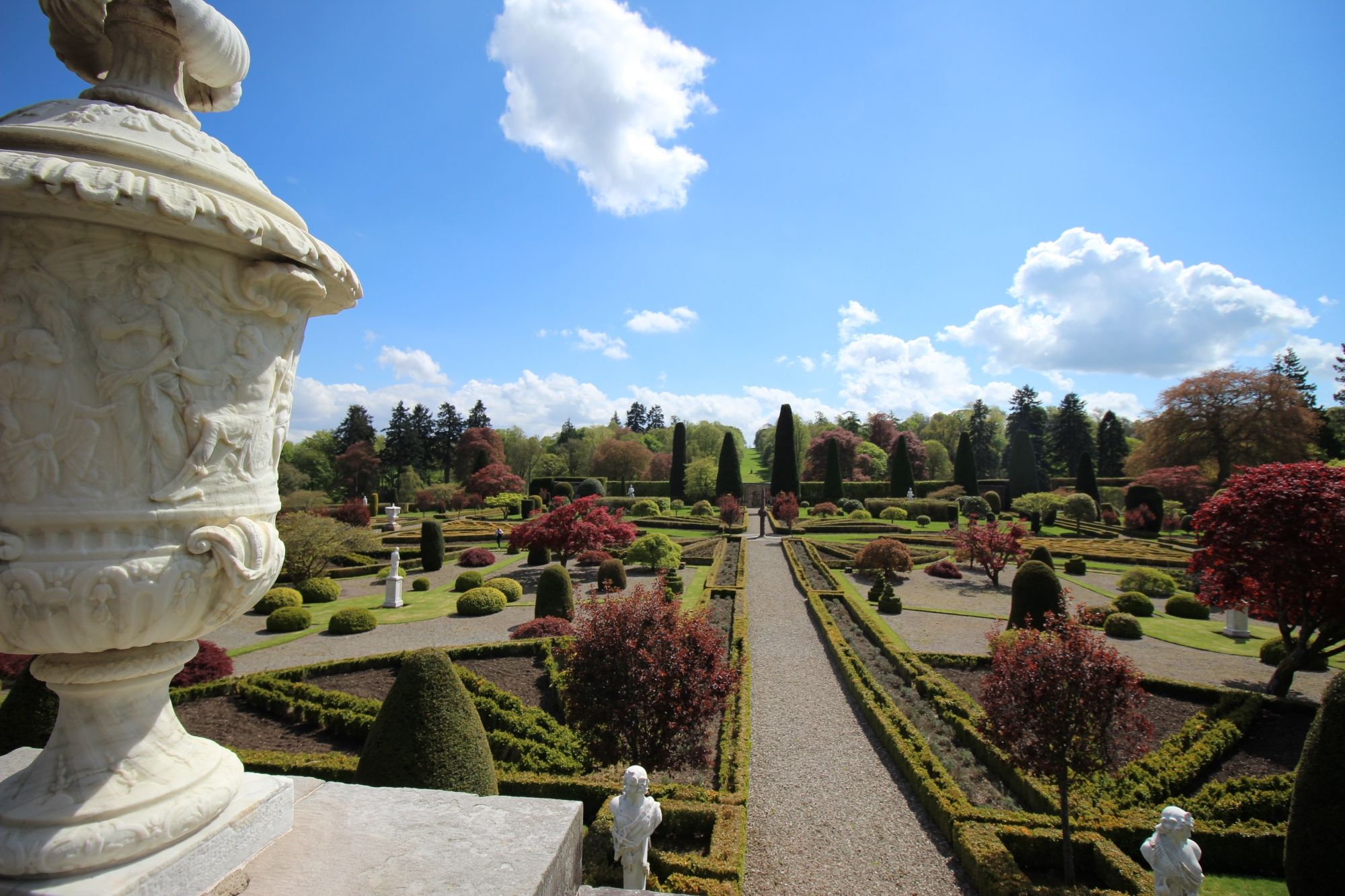
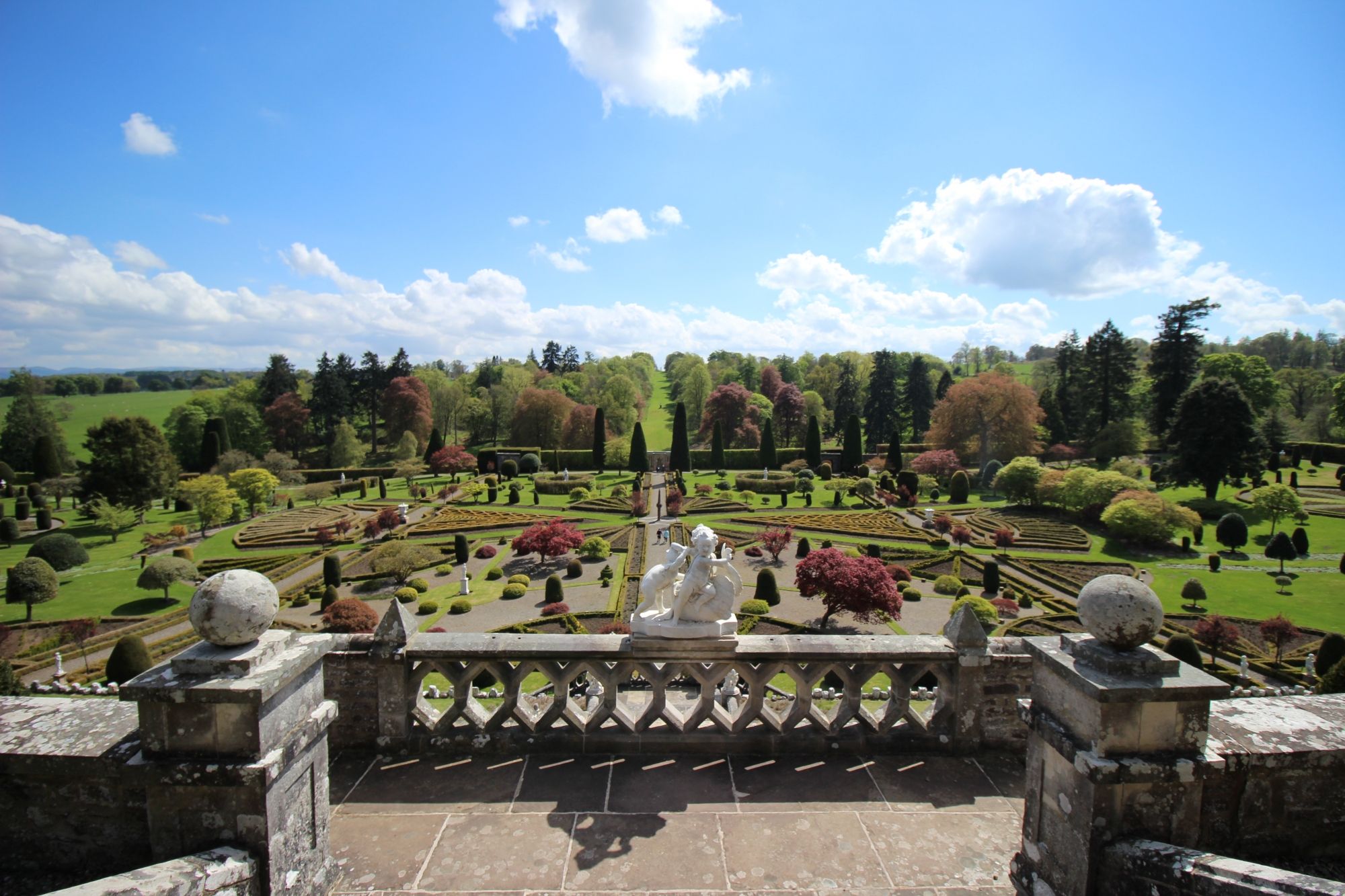
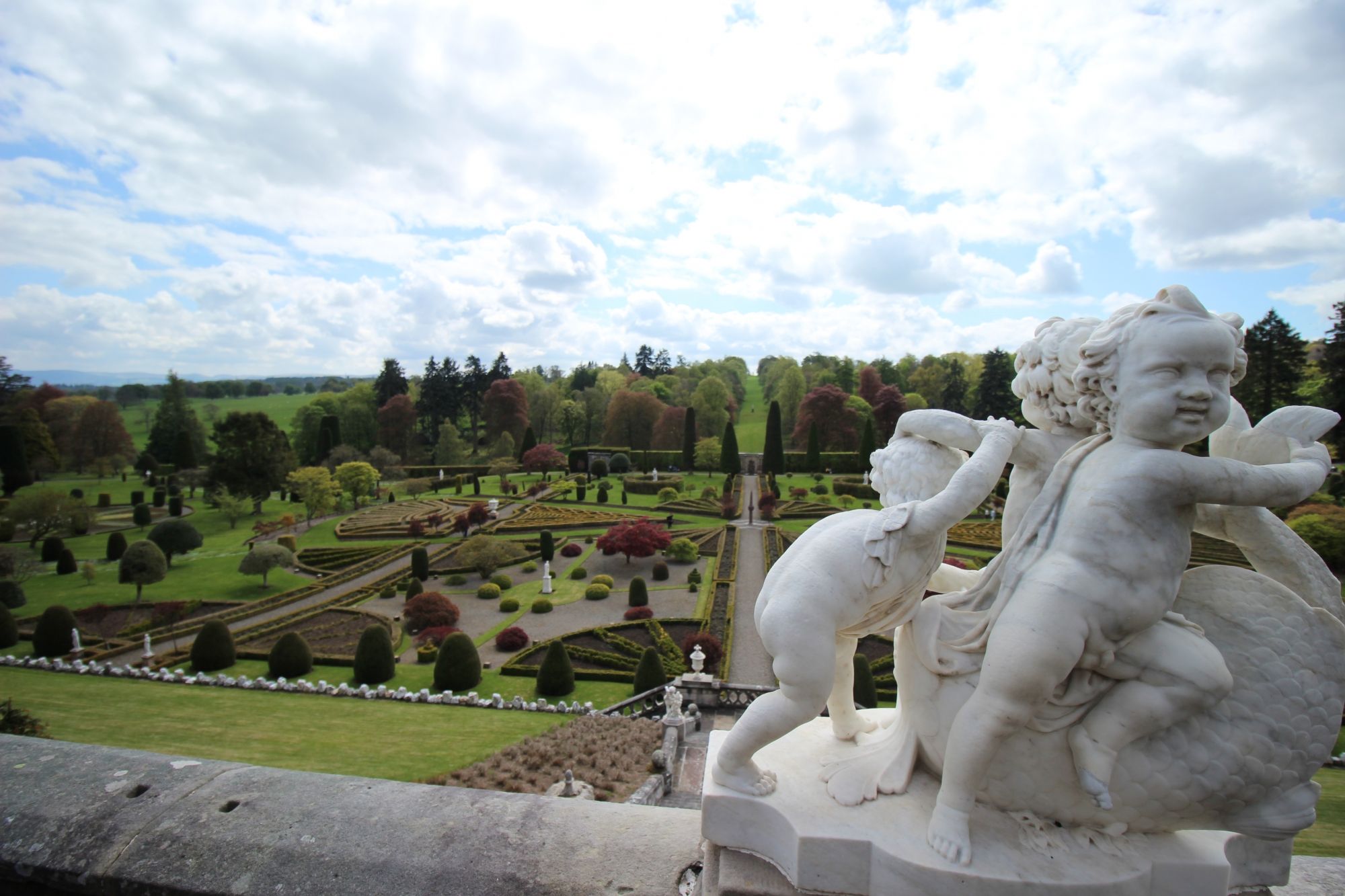
One of the most unique aspects of visiting Drummond Castle is the way the gardens are presented to you. When you first arrive at the 15th-century tower house, the gardens are completely hidden from view. You cross a rocky courtyard and pass through a set of iron gates, and only then do you see it: a sudden, vertigo-inducing drop into a ten-acre parterre. Standing on the upper terrace, you look down upon a masterpiece of Italianate design. The garden is laid out in the shape of a St Andrew's Cross (the Saltire), with the Drummond family coat of arms meticulously woven into the patterns of the low box hedges. It is a view that stops most visitors in their tracks—a sea of color and shape perfectly framed by the wilder Perthshire hills in the distance.
A History of Jacobite Turmoil and Royal Restoration
The history of the castle is as dramatic as its landscape. Originally built in 1490 by the 1st Lord Drummond, the castle has been at the center of Scottish history for over 500 years. During the Jacobite Risings, the Drummond family were staunch supporters of the Stuart cause. Following their defeat at the Battle of Culloden in 1746, the estate was forfeited to the Crown, and the beautiful formal gardens were essentially abandoned for decades. It wasn't until the 19th century that the gardens were restored to their former glory. In 1842, Queen Victoria visited the estate and famously wrote in her diary that the gardens were "really very fine, with terraces, like an old French garden." To commemorate her visit, she planted two copper beech trees; remarkably, you can still see descendants of those historic trees thriving on the grounds today.
The Outlander Connection: Standing in for Versailles
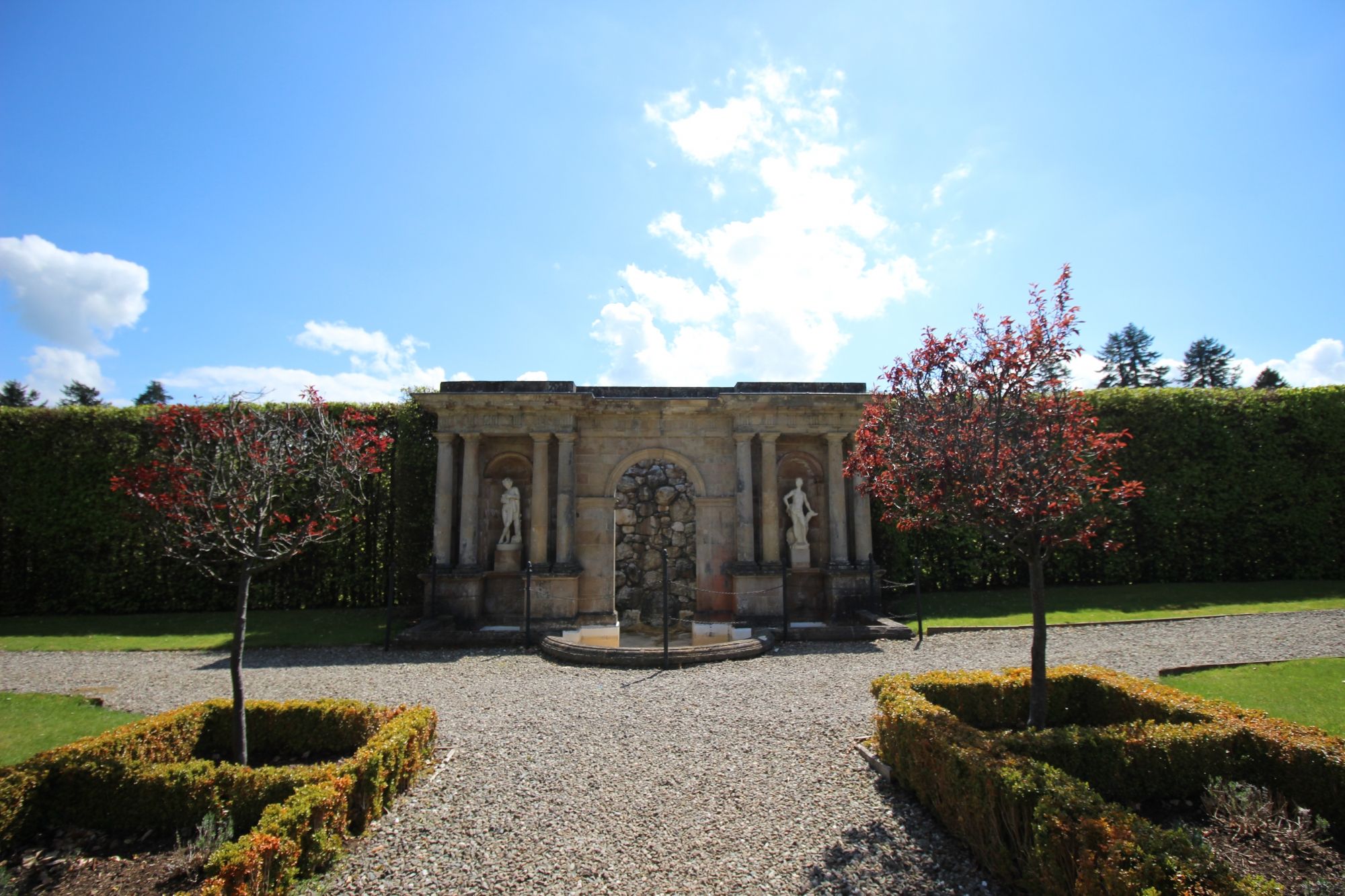
In recent years, the gardens have gained international fame as a prominent filming location for the hit TV series Outlander. In the second season, the gardens stood in for the grand Palace of Versailles in France. While many fans visit specifically to see where Jamie and Claire walked, they are often surprised to find that the gardens are even more impressive in person than they are on screen. The "French" style of the gardens—characterized by absolute symmetry, grand vistas, and ornate statuary—is so authentic that it required very little set dressing from the film crew, allowing the natural horticultural artistry to shine.
What to Look For: Sundials and Century-Old Topiary
As you descend the grand stone staircase into the parterre, there are several key features you shouldn't miss:
- The Multipaced Sundial: At the heart of the garden stands an incredible stone sundial dating back to 1630. Created by master mason John Mylne, it features 50 different faces, allowing it to tell the time in various world capitals simultaneously.
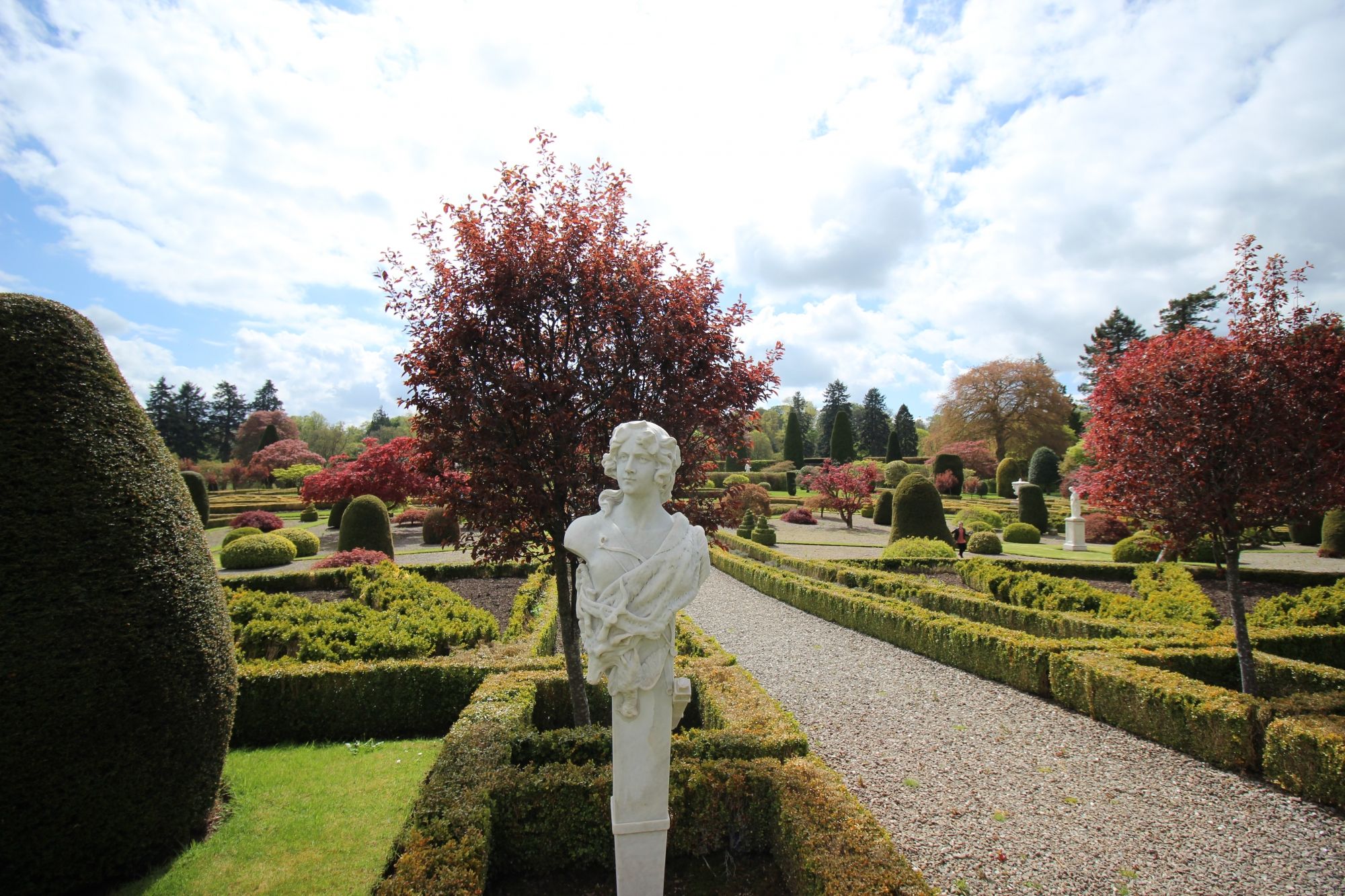
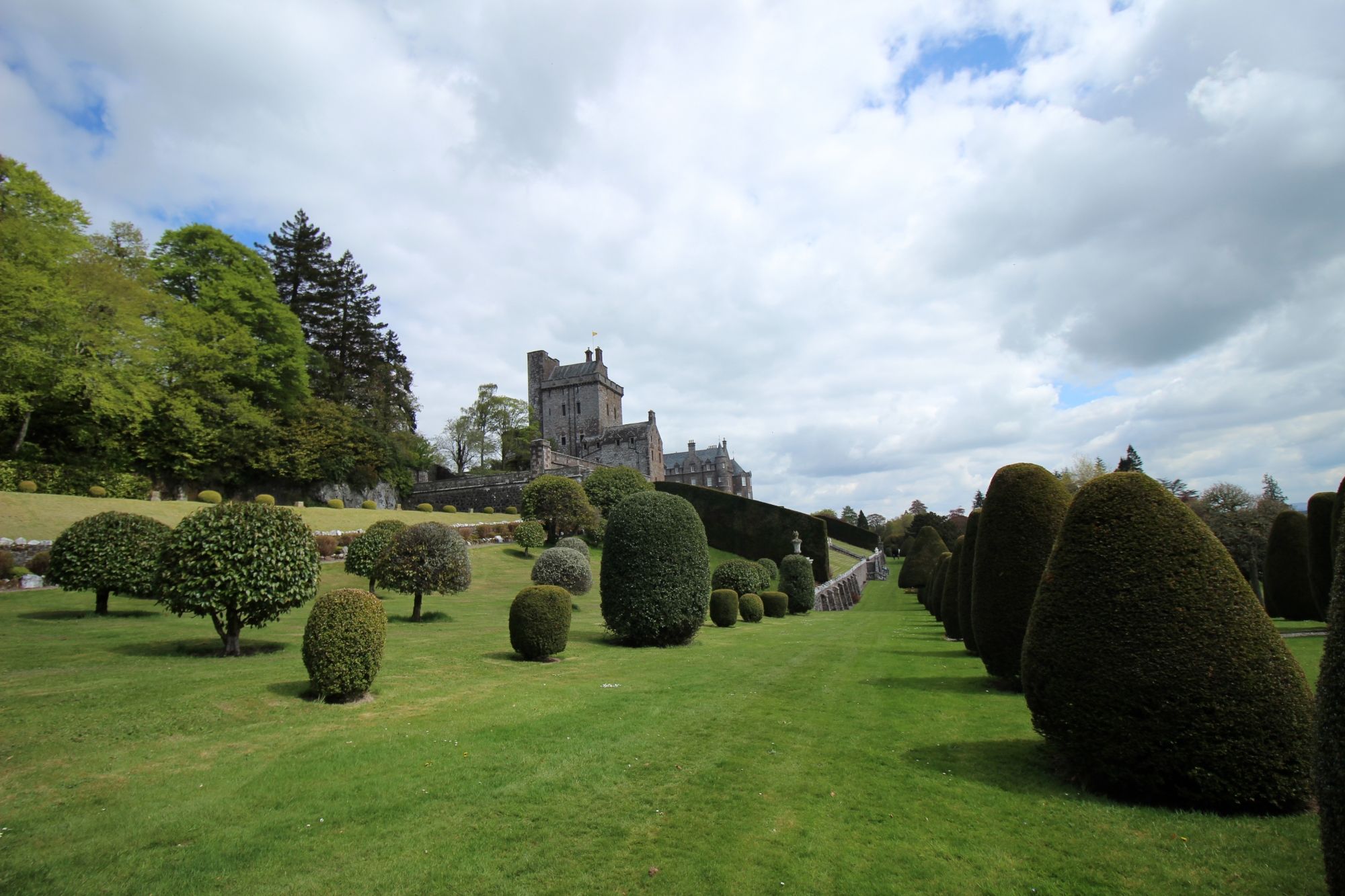
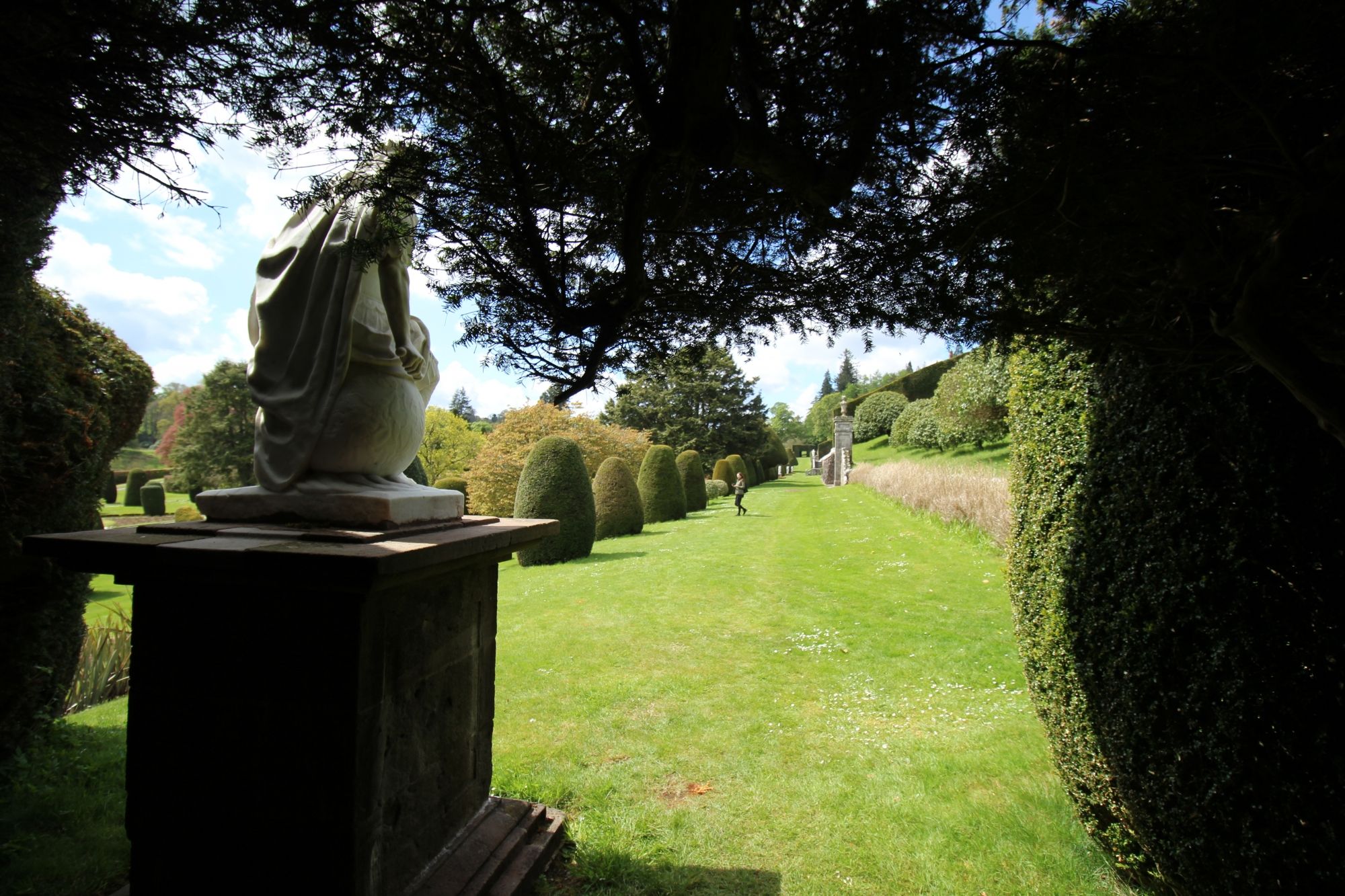
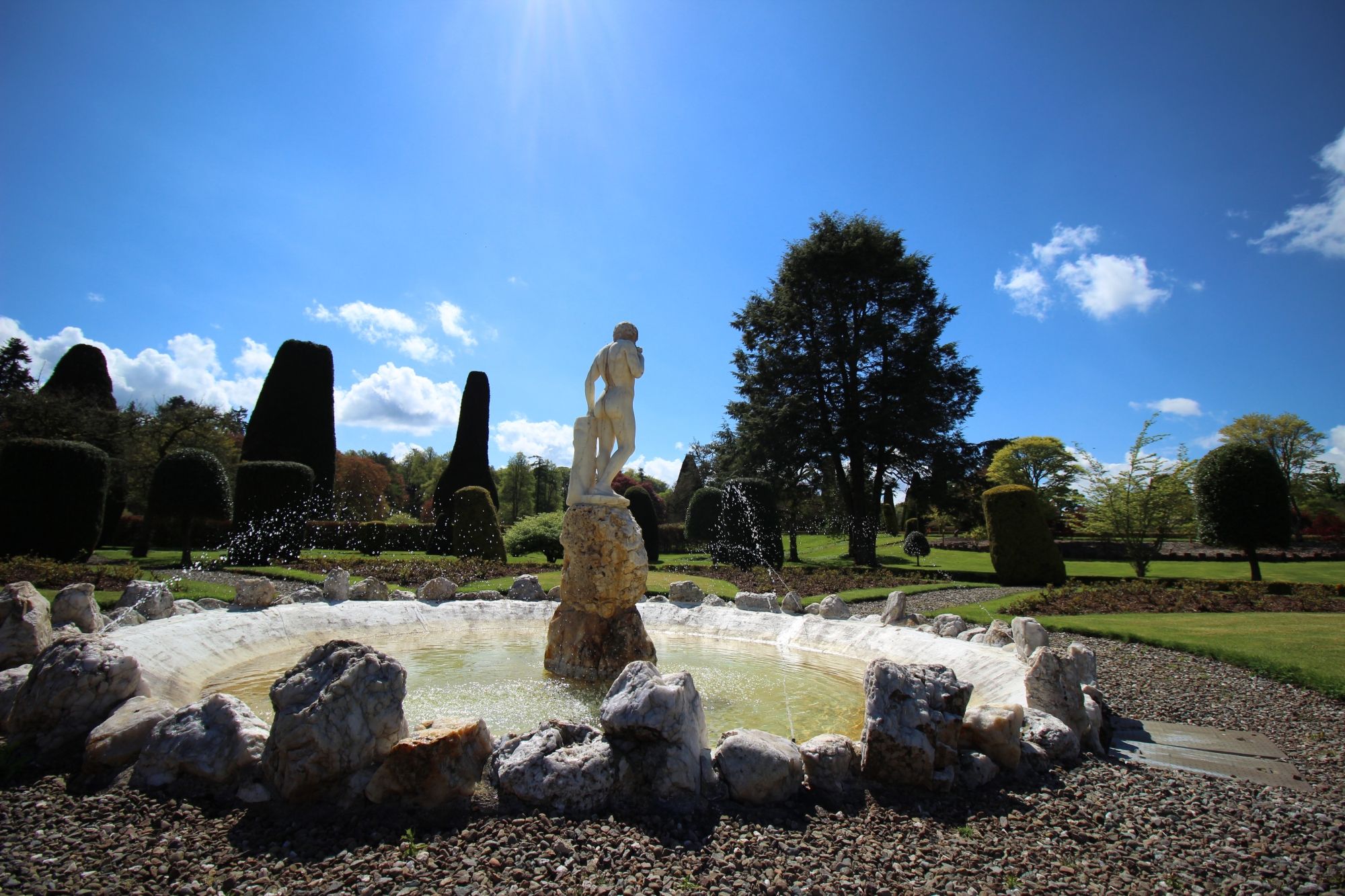
- The Topiary: The gardens are famous for their ancient yew hedges and meticulously clipped topiary. Some of these structural features are over 100 years old and provide the "bones" that keep the garden looking beautiful even in the quieter winter months.
- The Kitchen Garden: While the formal parterre is the star of the show, the kitchen garden and greenhouses offer a more intimate look at the estate’s horticultural life, featuring rare fruits and vibrant floral displays.
Practical Tips for Your Visit
The gardens are typically open seasonally from May 1st to October 31st. For the best experience, we recommend visiting in late summer when the roses are in full bloom, or in October when the surrounding Perthshire forests turn vibrant shades of red and orange. For photographers, the best vantage point for that "iconic" shot of the parterre is from the top of the terrace stairs immediately after entering the gate. Try to visit in the late afternoon when the sun begins to dip, casting long, dramatic shadows across the low hedges. While the main descent is via a steep set of stairs, there is a more accessible route for those with limited mobility—just ask the staff at the entrance for directions. Since the gardens are located near Crieff, it is very easy to combine a trip here with a visit to the Glenturret Distillery (the oldest in Scotland) or a scenic drive through the nearby Sma' Glen.
Conclusion: An Essential Scottish Landscape
Drummond Castle Gardens represents the pinnacle of formal Scottish horticulture, balancing structural discipline with the raw beauty of the surrounding Highlands. It is a destination where history is etched into the very soil, preserved through centuries of care, royal admiration, and modern cinematic fame. Whether you are wandering past the ancient 17th-century sundial, admiring the symmetry from the high terrace, or following the footsteps of your favorite television characters, a visit to this manicured paradise provides a profound sense of wonder that remains an essential highlight of any journey through central Scotland.