
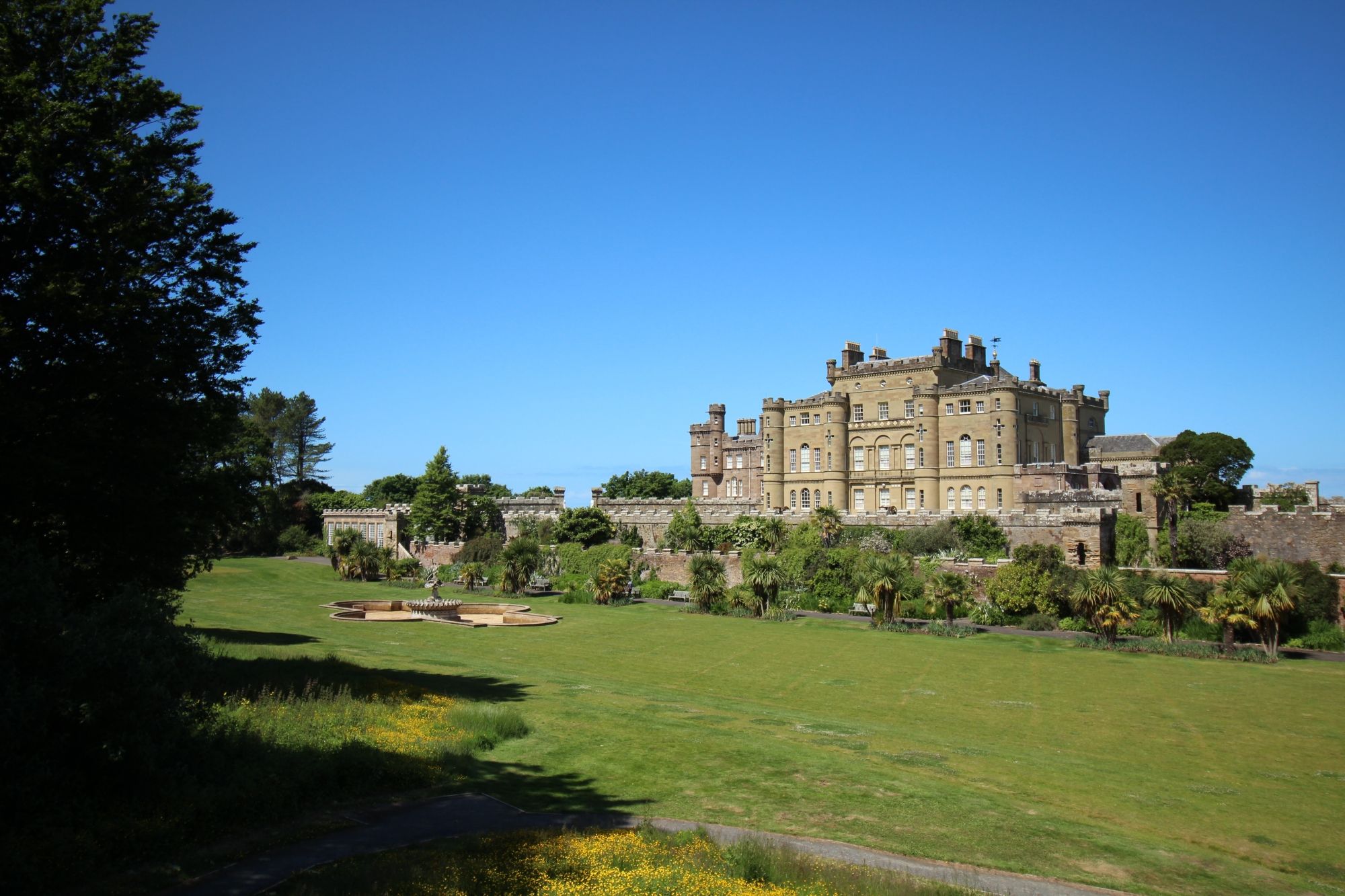



Culzean Castle: The Cliff-Top Jewel of the Ayrshire Coast
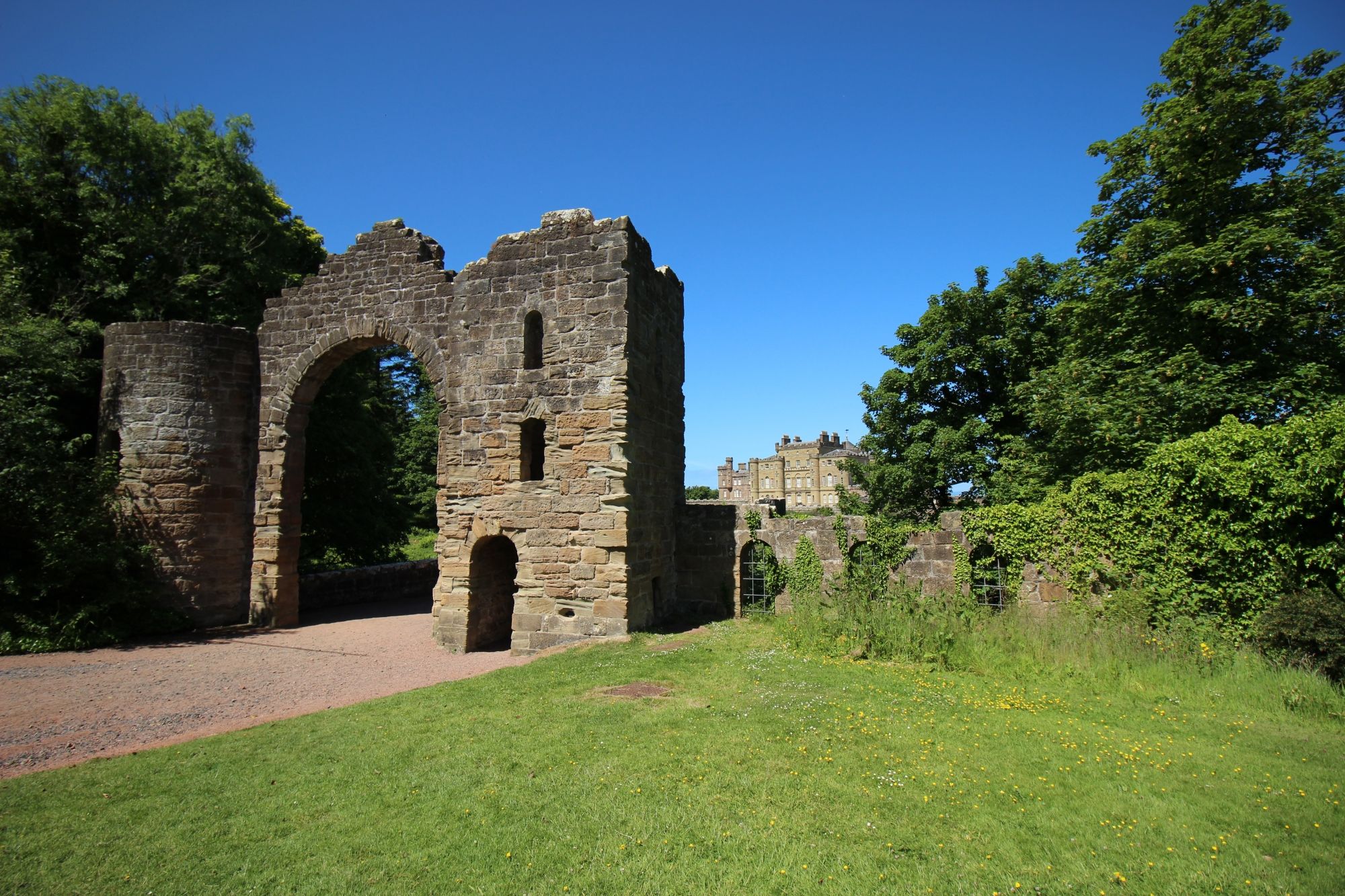
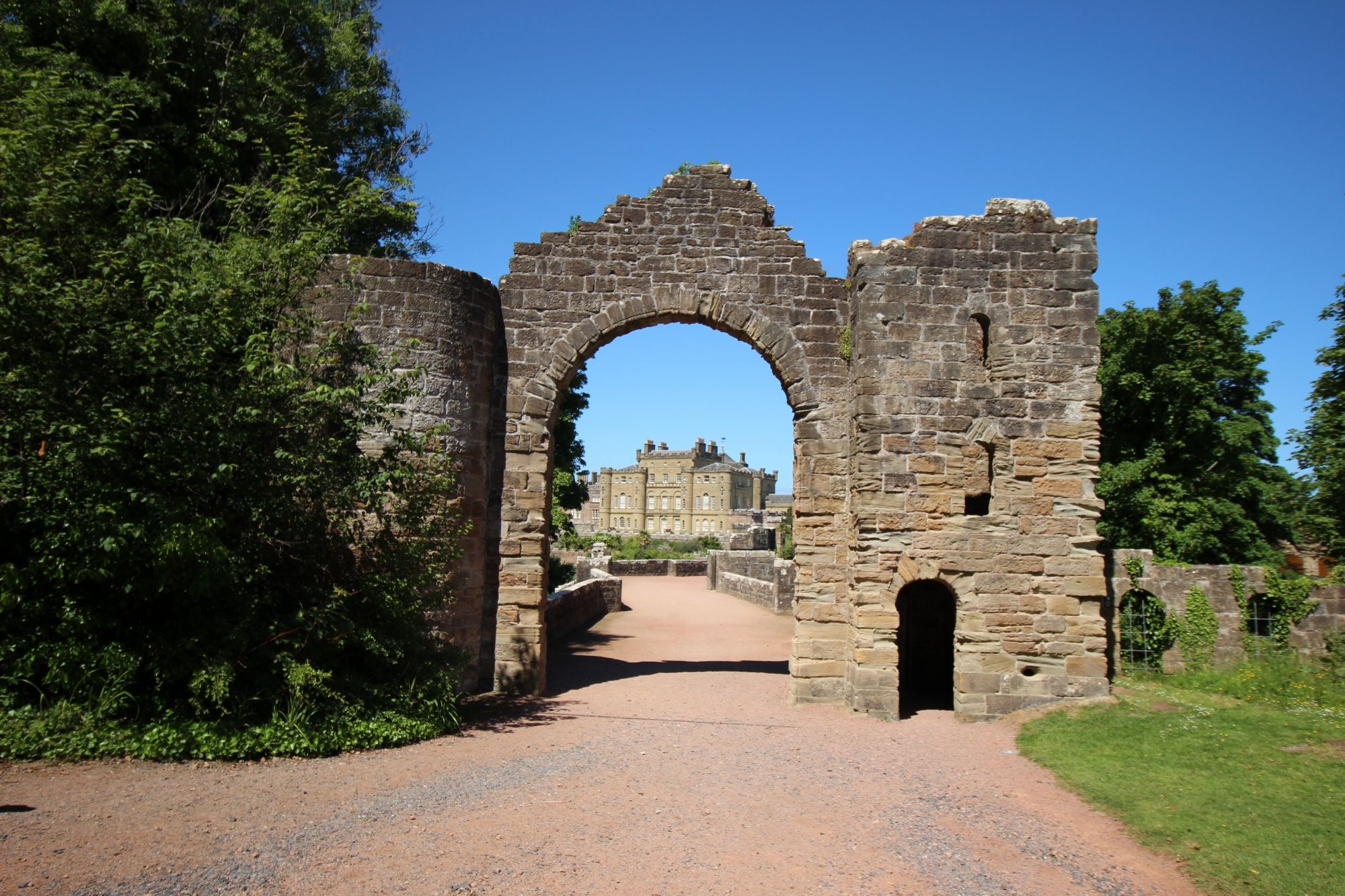
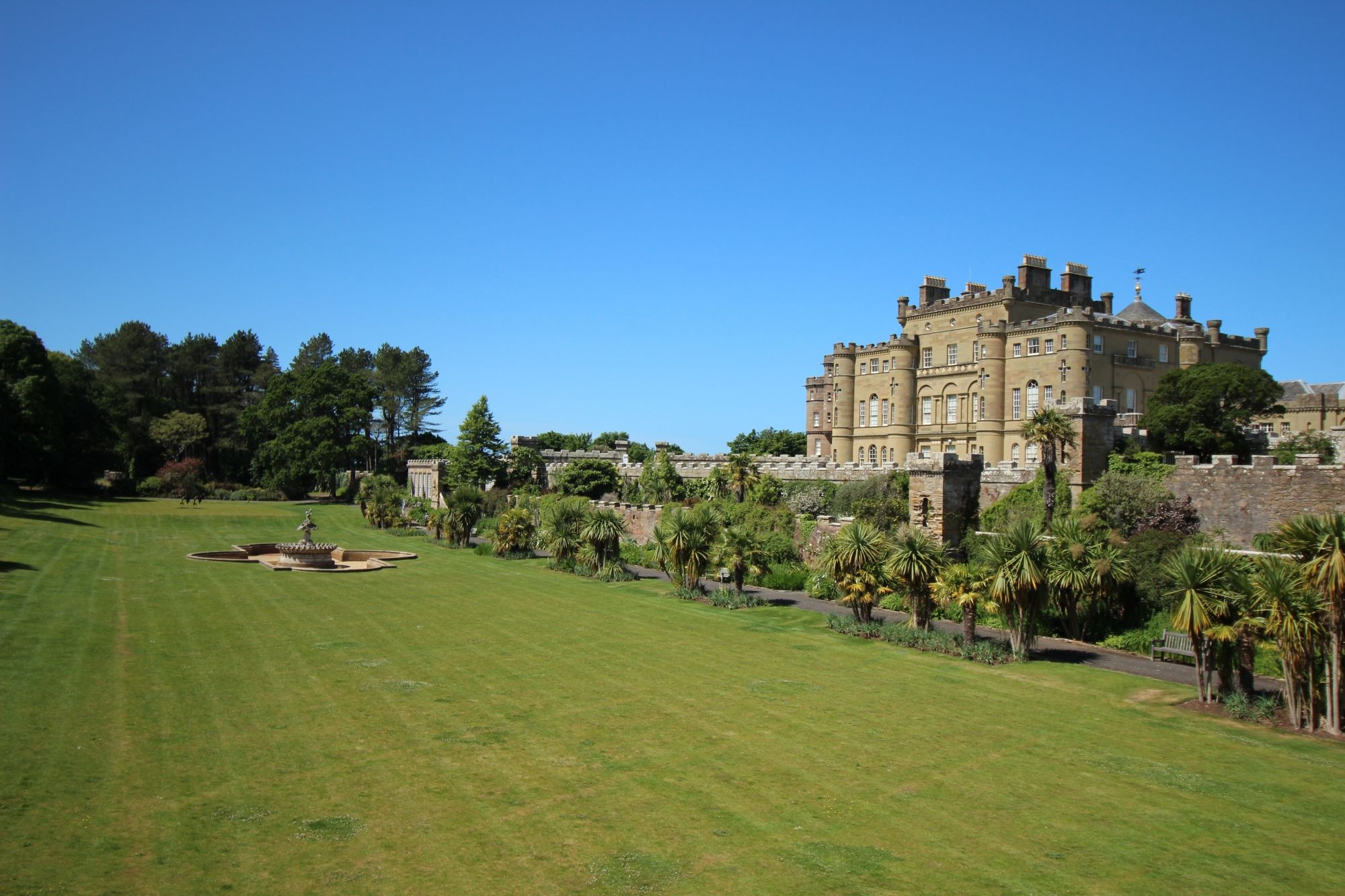
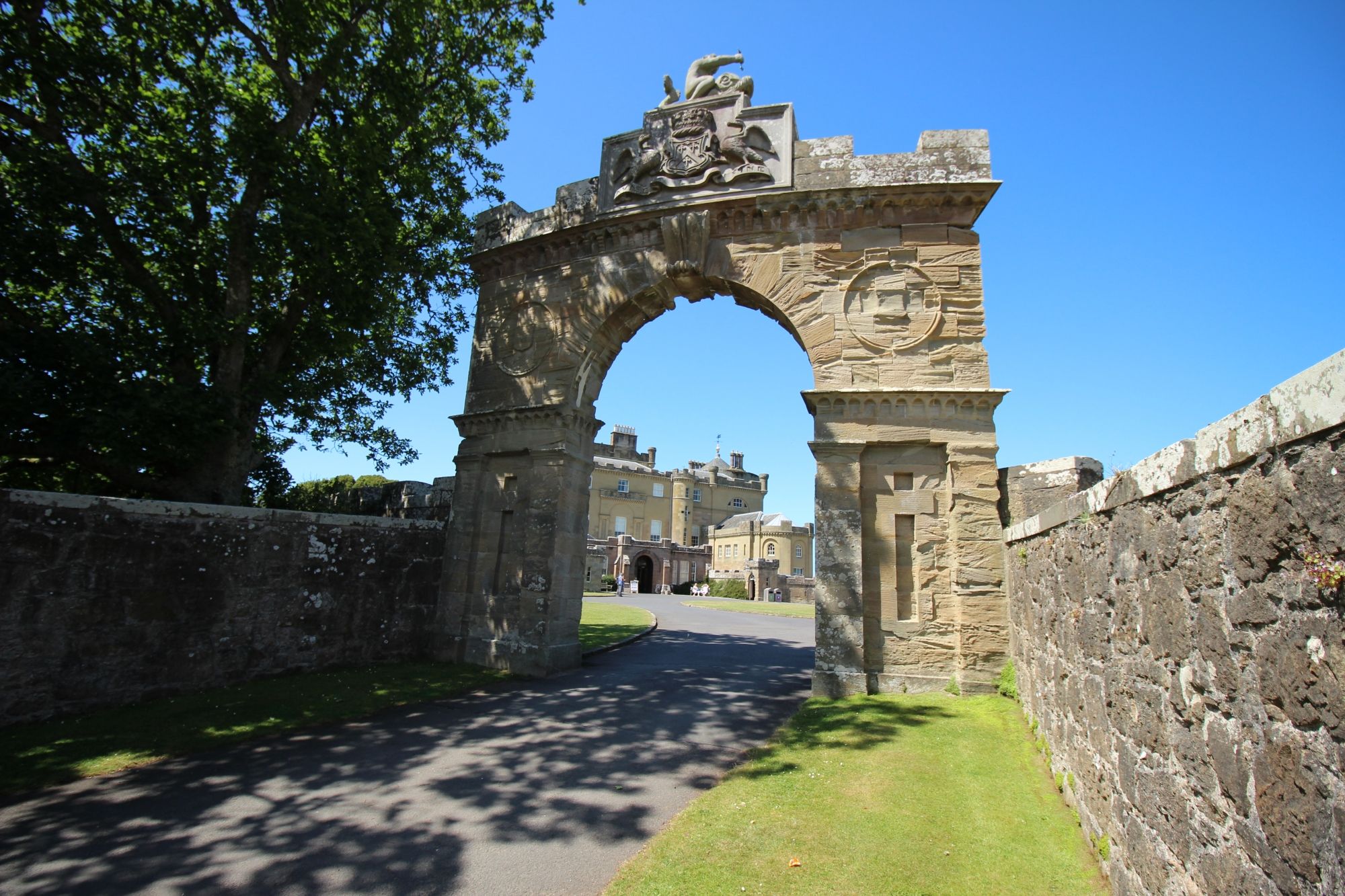
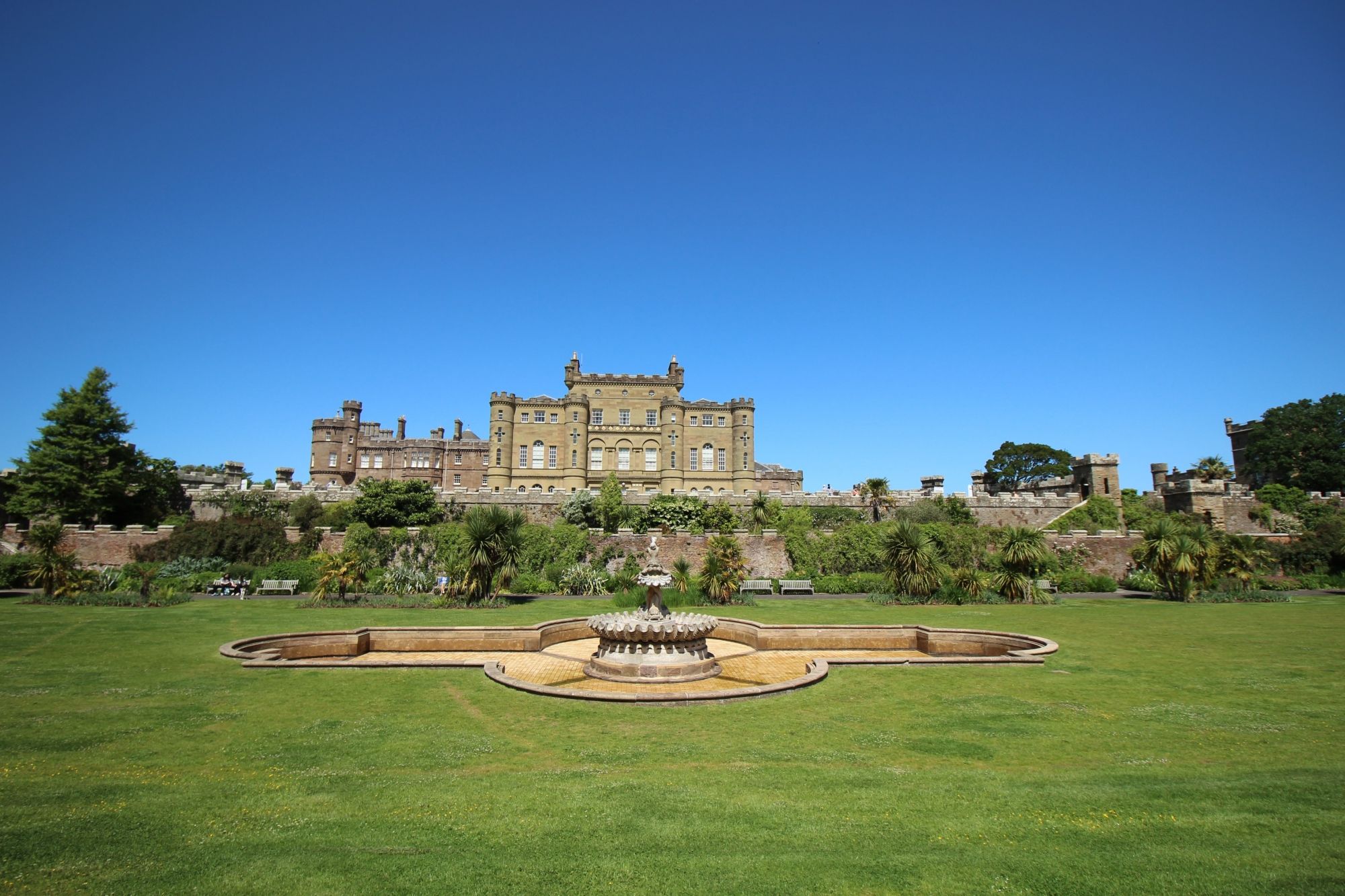
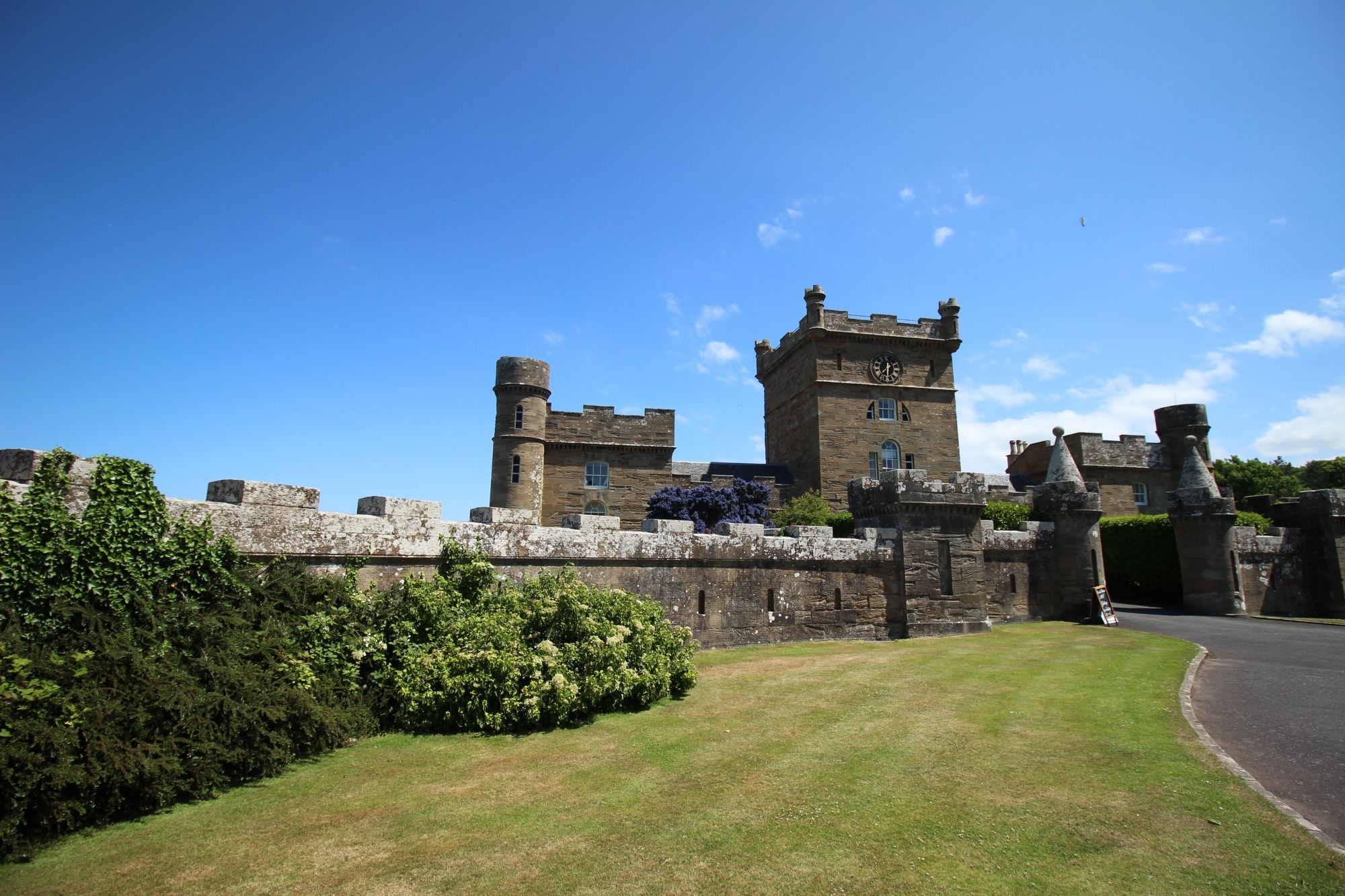
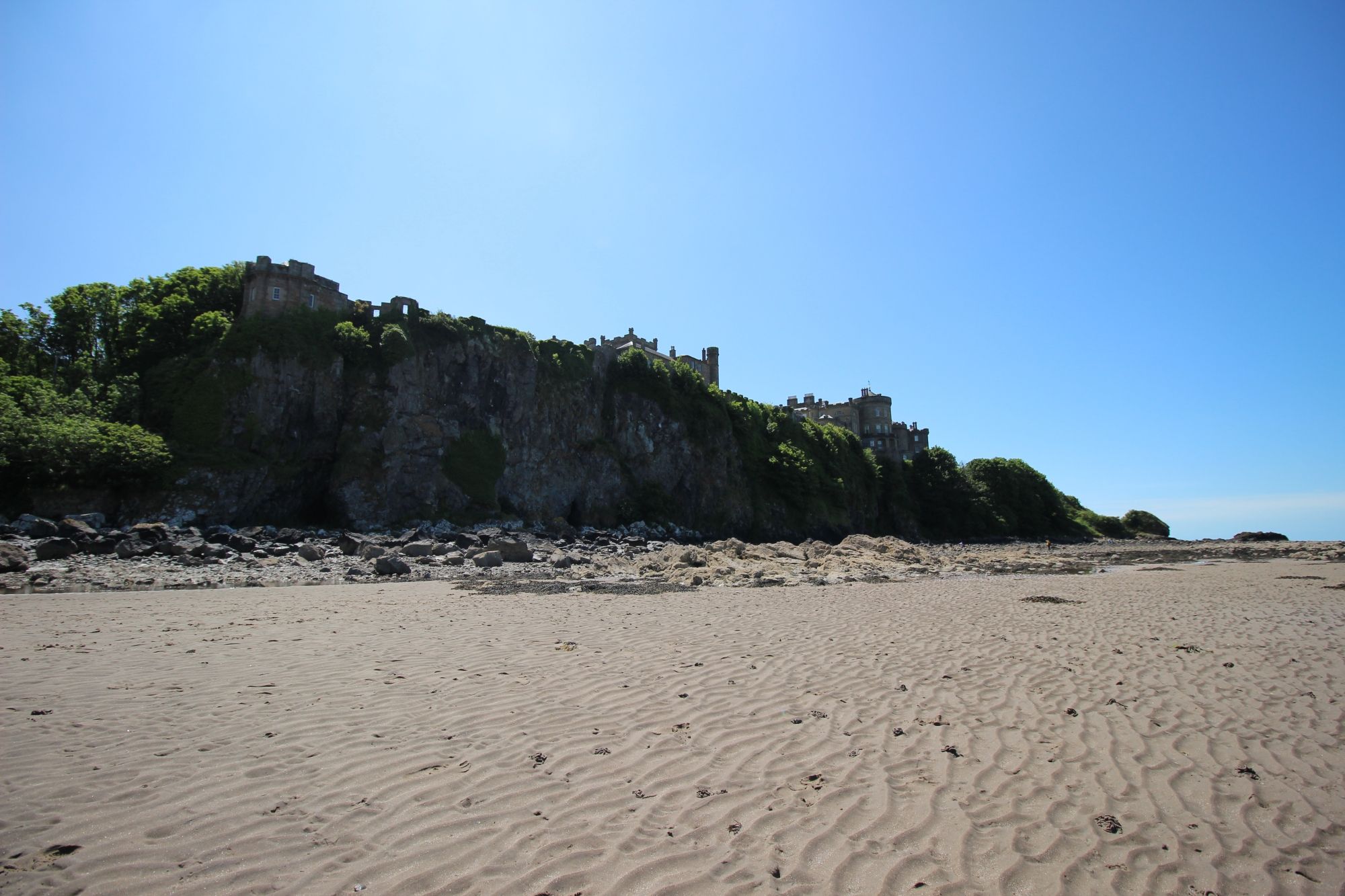
Perched dramatically on the edge of rugged cliffs overlooking the Firth of Clyde, Culzean Castle is undoubtedly one of Scotland's grandest and most celebrated coastal estates. While it bears the name of a fortress, it is not an ancient medieval stronghold but rather an opulent, late 18th-century country palace. Rebuilt by the renowned architect Robert Adam as the ancestral seat of the Kennedy clan, the castle was designed to project immense wealth and prestige. Today, the property is managed by the National Trust for Scotland and spans an enormous 260-hectare estate encompassing dense woodlands, pristine beaches, secret caves, and immaculate formal gardens. It is a masterpiece of classical design that blends the dramatic scale of the Ayrshire coastline with the ultimate refinement of the Georgian era, offering an unforgettable and diverse experience for every visitor.
The Eisenhower Connection and the Palace Interiors
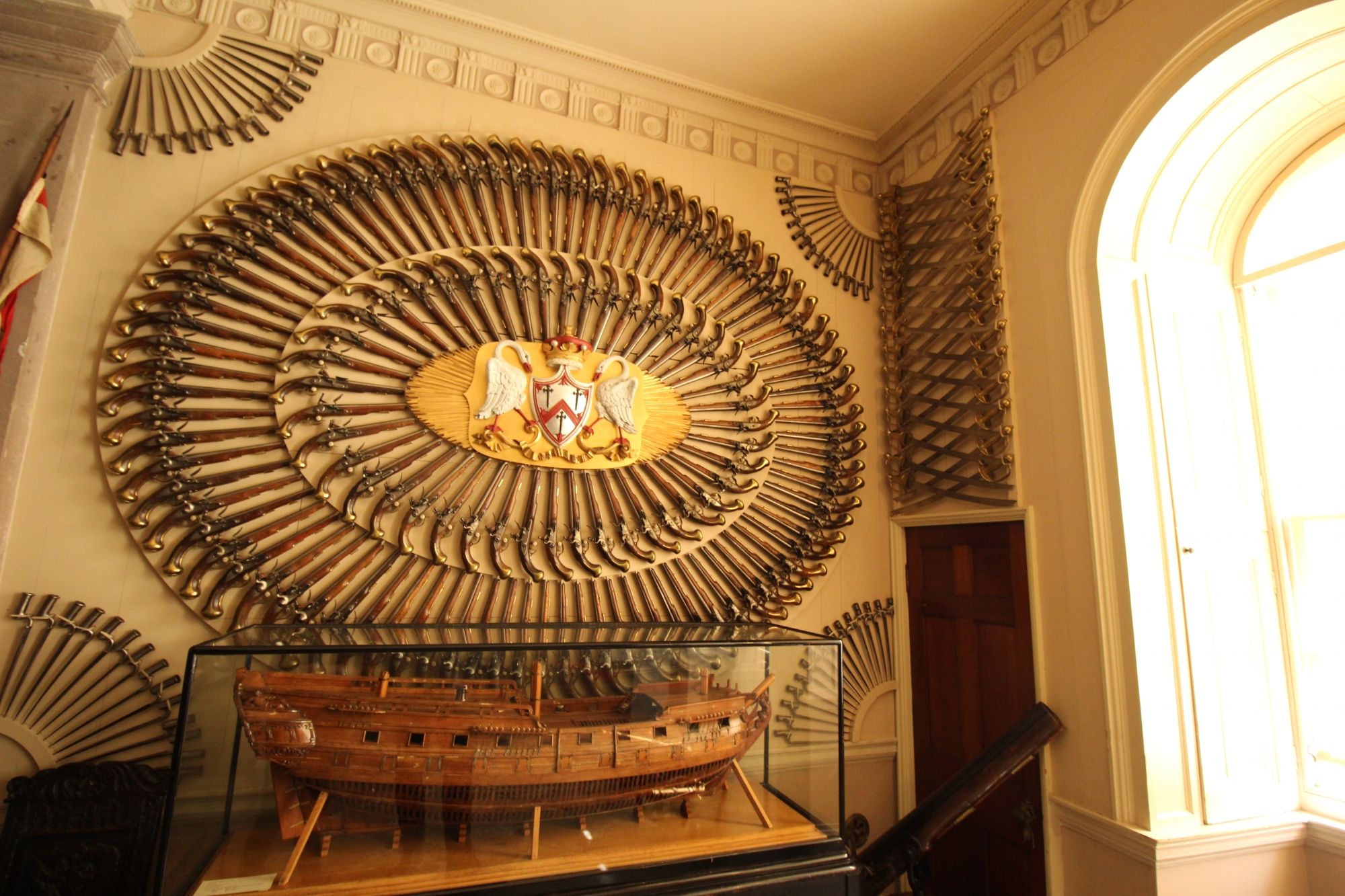
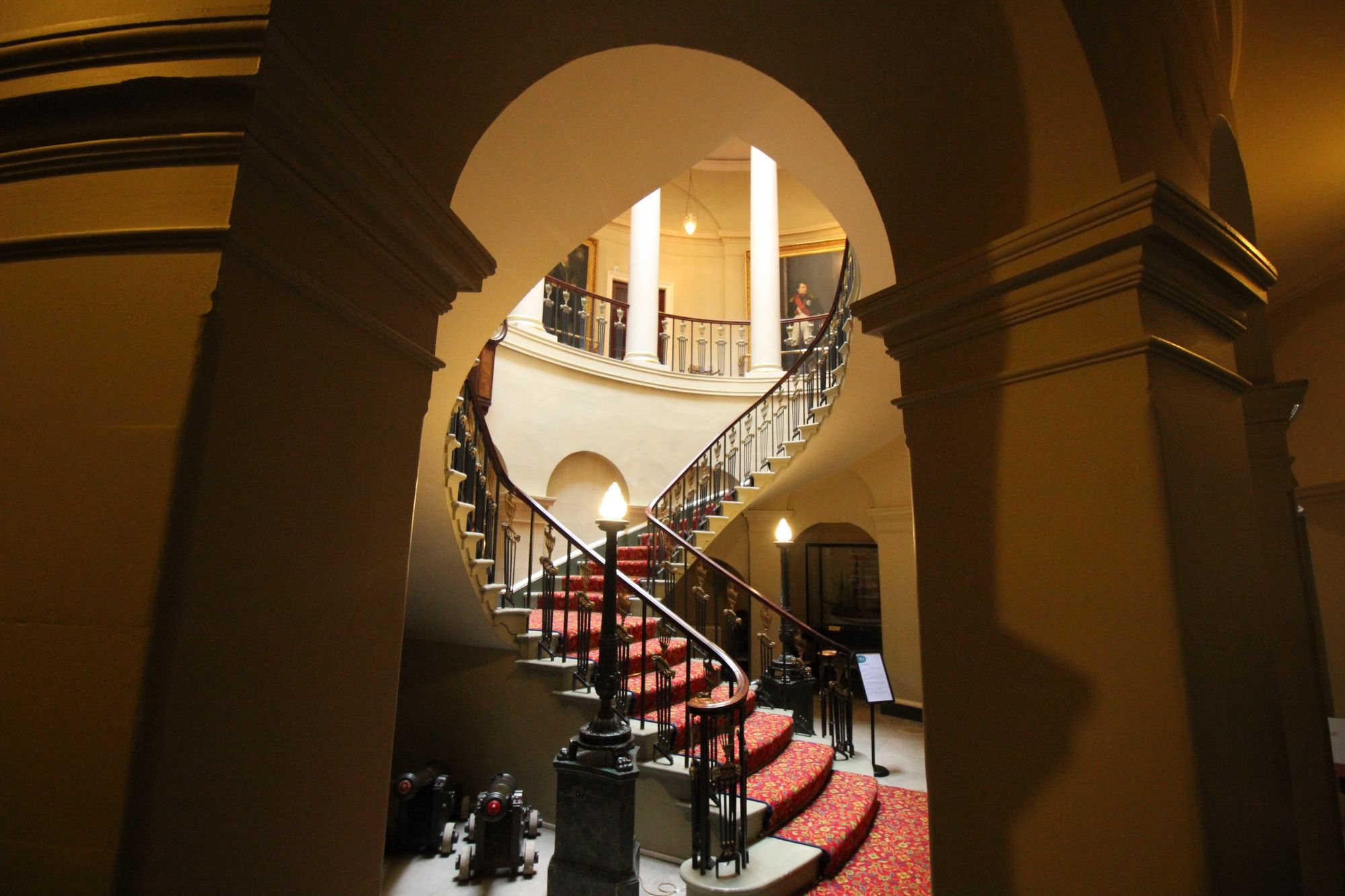
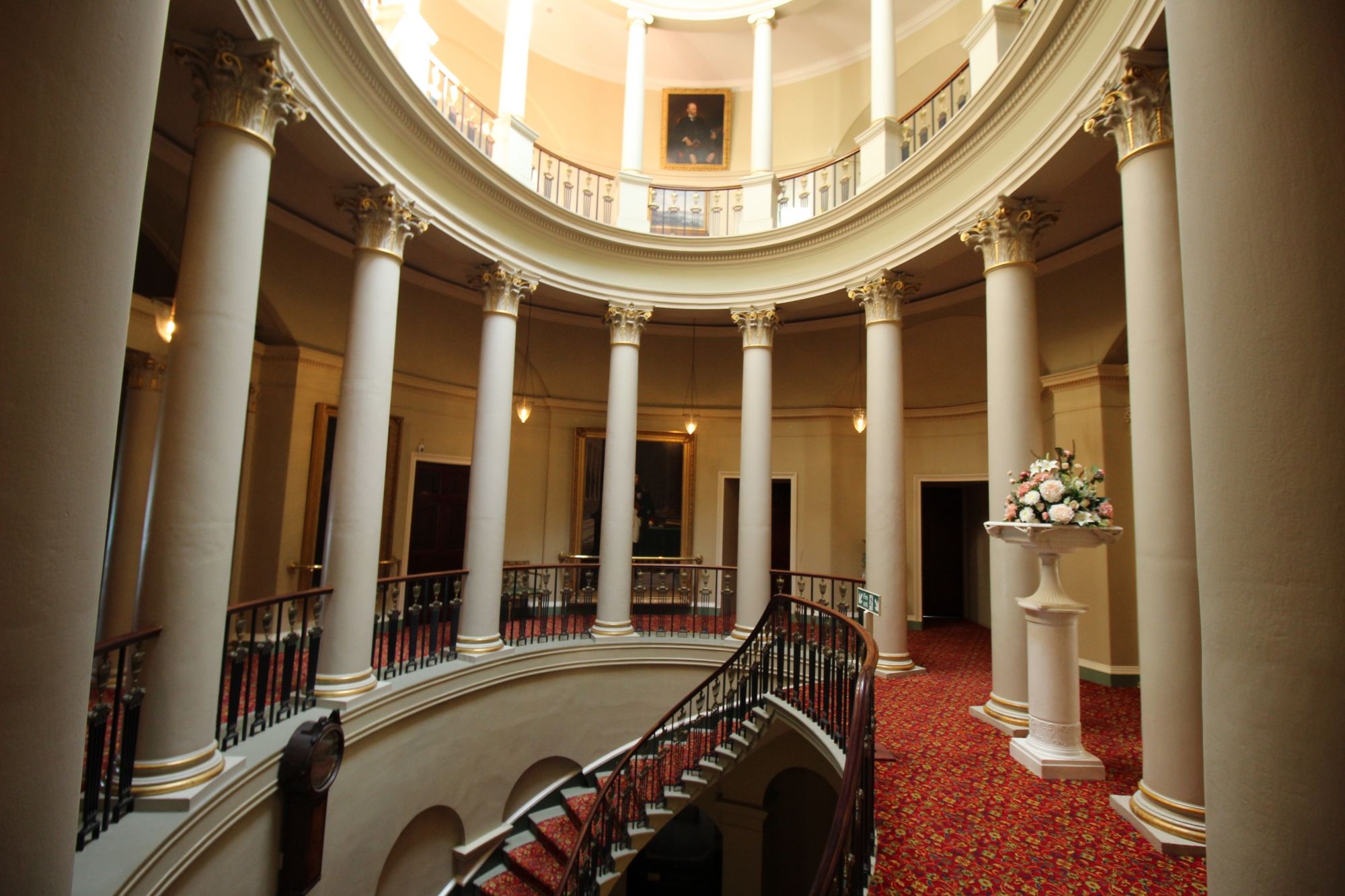
Culzean holds a unique place in modern history due to its close ties with the 34th President of the United States. In 1945, when the Kennedy family passed the estate to the National Trust for Scotland, they requested that the top floor of the castle be gifted to General Dwight D. Eisenhower as a gesture of international thanks for his supreme command of Allied forces during World War II. Eisenhower visited this unique Scottish retreat four times, including during his presidency, and today his historic apartments are preserved as an exclusive guest house. The lower two floors are fully open to the public, starting with a spectacular, world-famous armory hall displaying hundreds of 18th-century flintlock pistols and swords. Visitors can ascend the sweeping, sunlit oval staircase to explore the magnificent first-floor staterooms, including a sprawling circular drawing room that offers vast, panoramic views across the sea toward the silhouetted peaks of the Isle of Arran.
The Fountain Gardens and the Cliffside Beaches
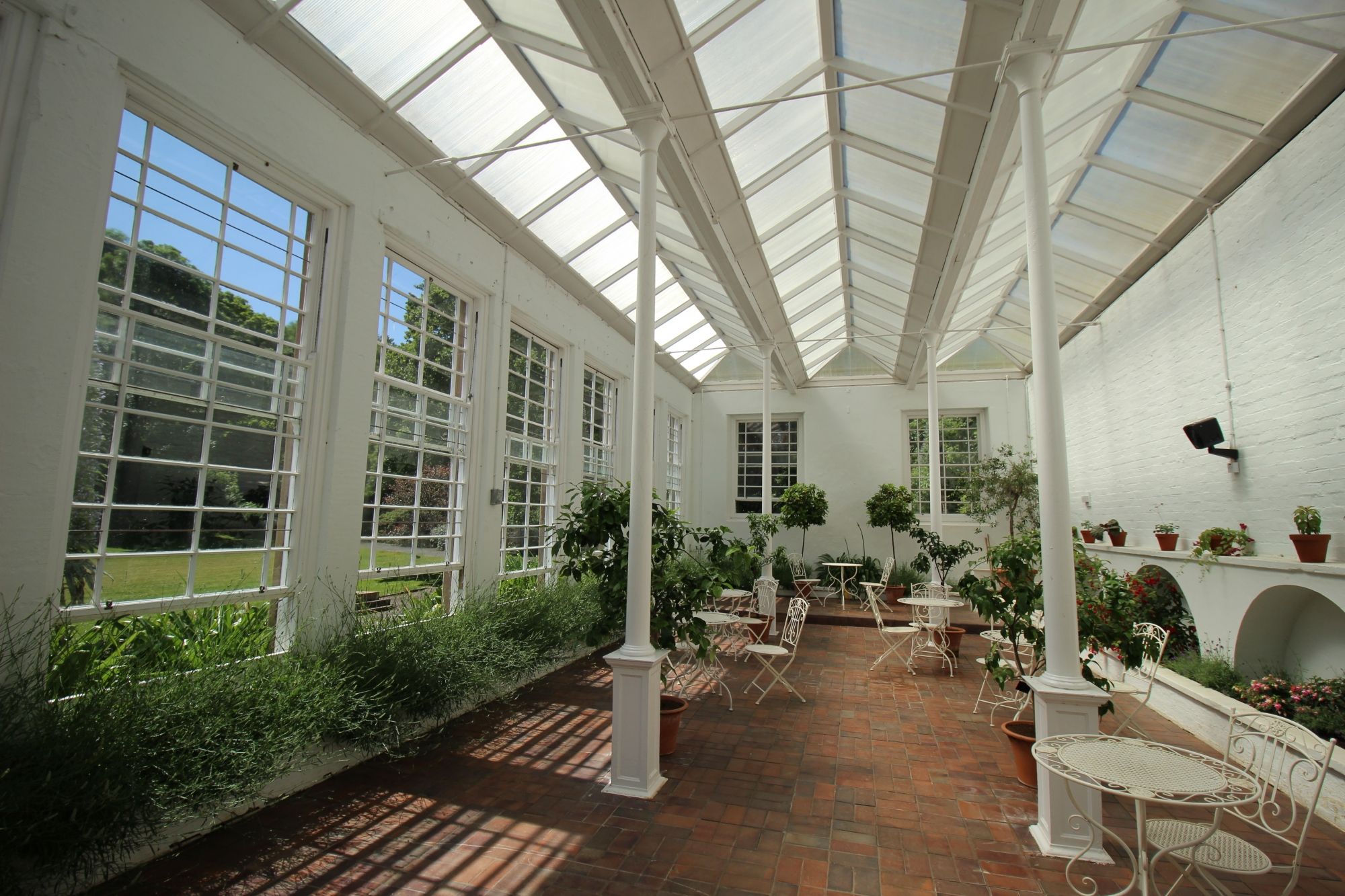
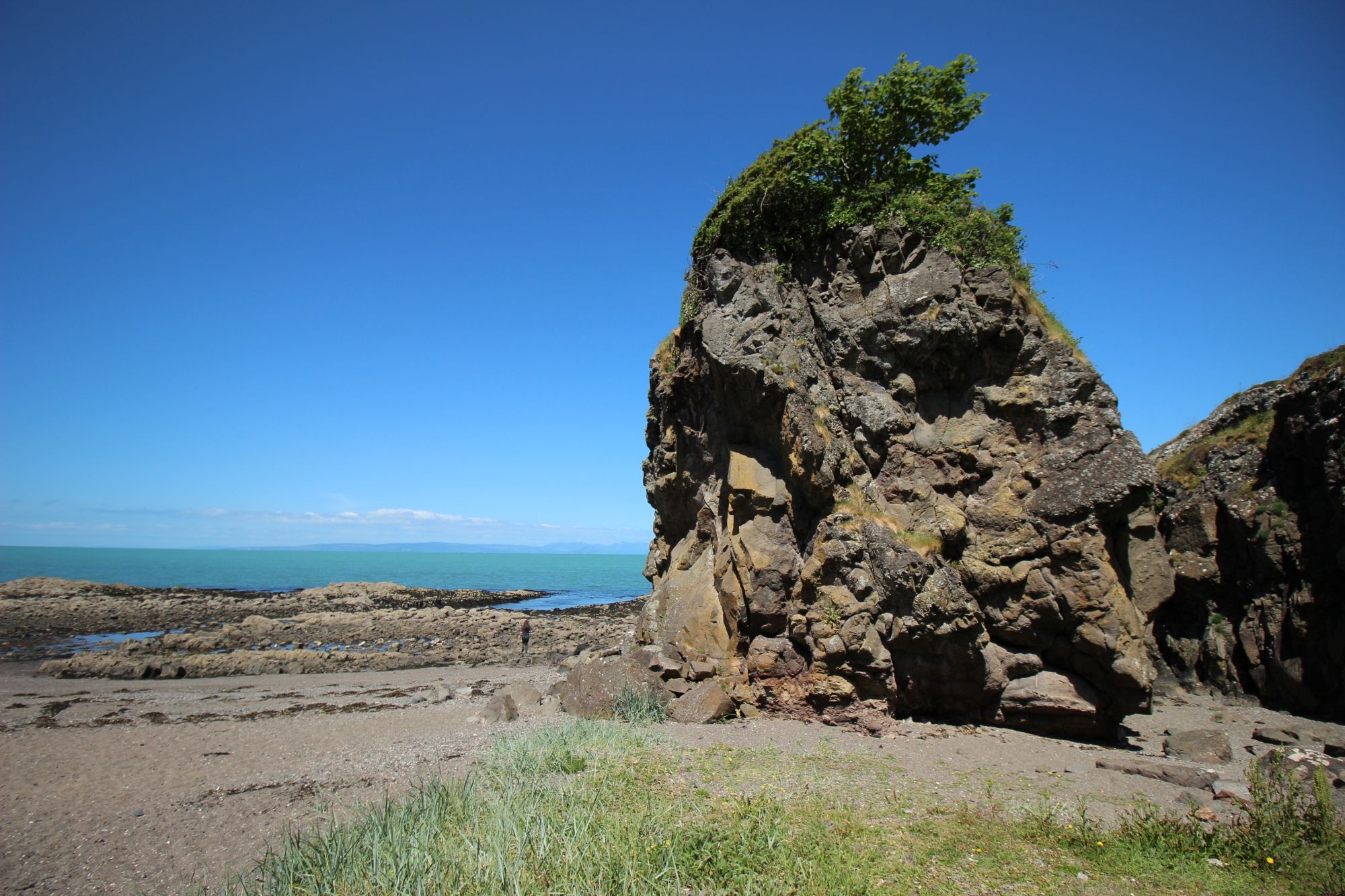
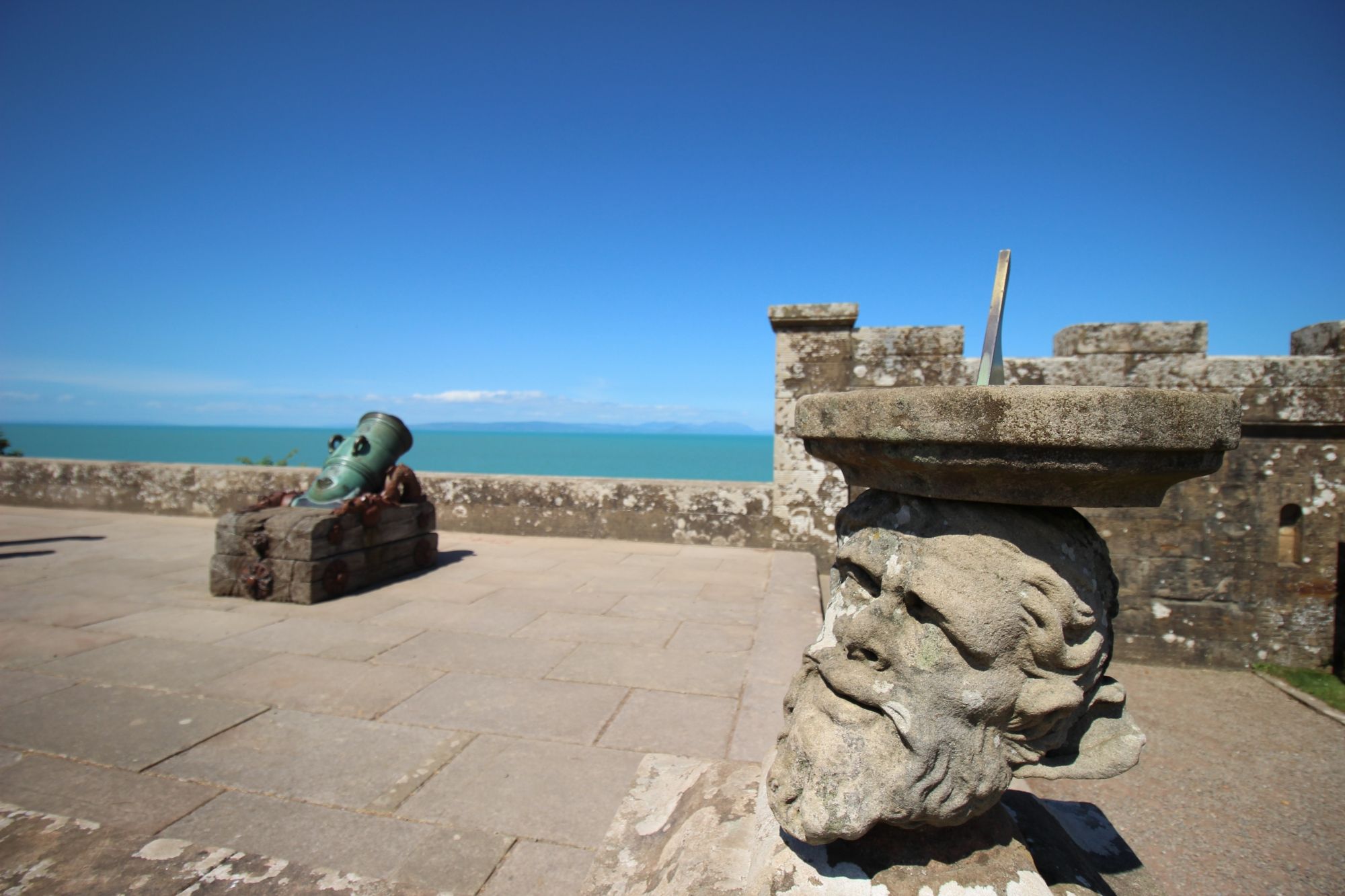
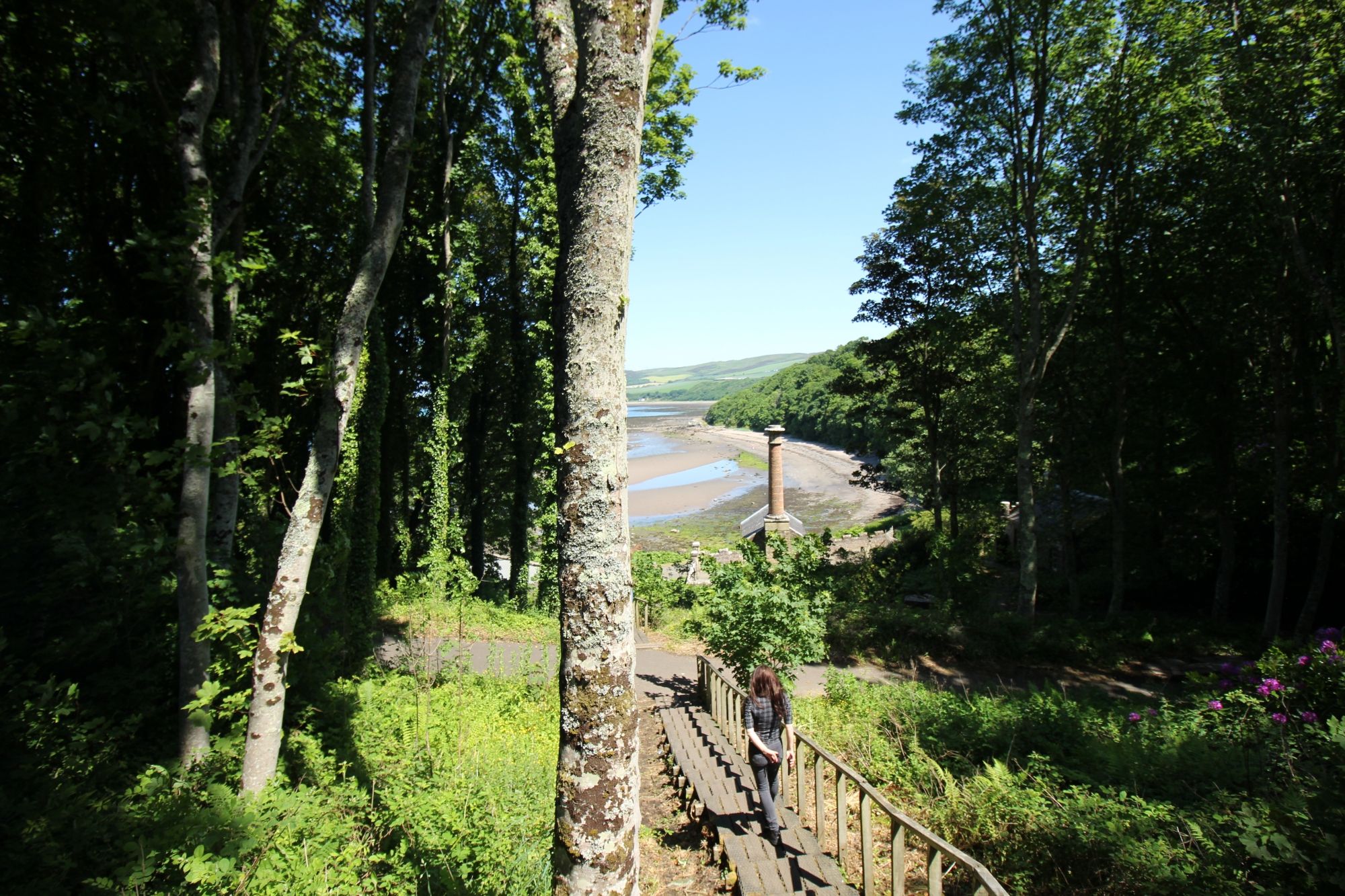
Directly south of the palace walls lies the beautiful Fountain Garden, featuring a wide, tier-sculpted fountain stone centerpiece and a striking white Victorian orangery. The position of the castle allows for excellent exploration of the varied coastline below the fortifications. On both sides of the castle, historic stone paths descend directly to the sandy beaches nestled under the sheer cliffs. One route takes you past the dramatic waterfront cannon battery, which once protected the estate from smugglers and privateers, while the other pass leads down by the historic 1800s estate gasworks building. Carved directly into the rock walls beneath the palace foundations are the mysterious Caves of Culzean—a dark network of subterranean chambers used for centuries by smugglers, which can occasionally be explored via specialist ranger-led tours.
From the Camellia House to the Walled Garden
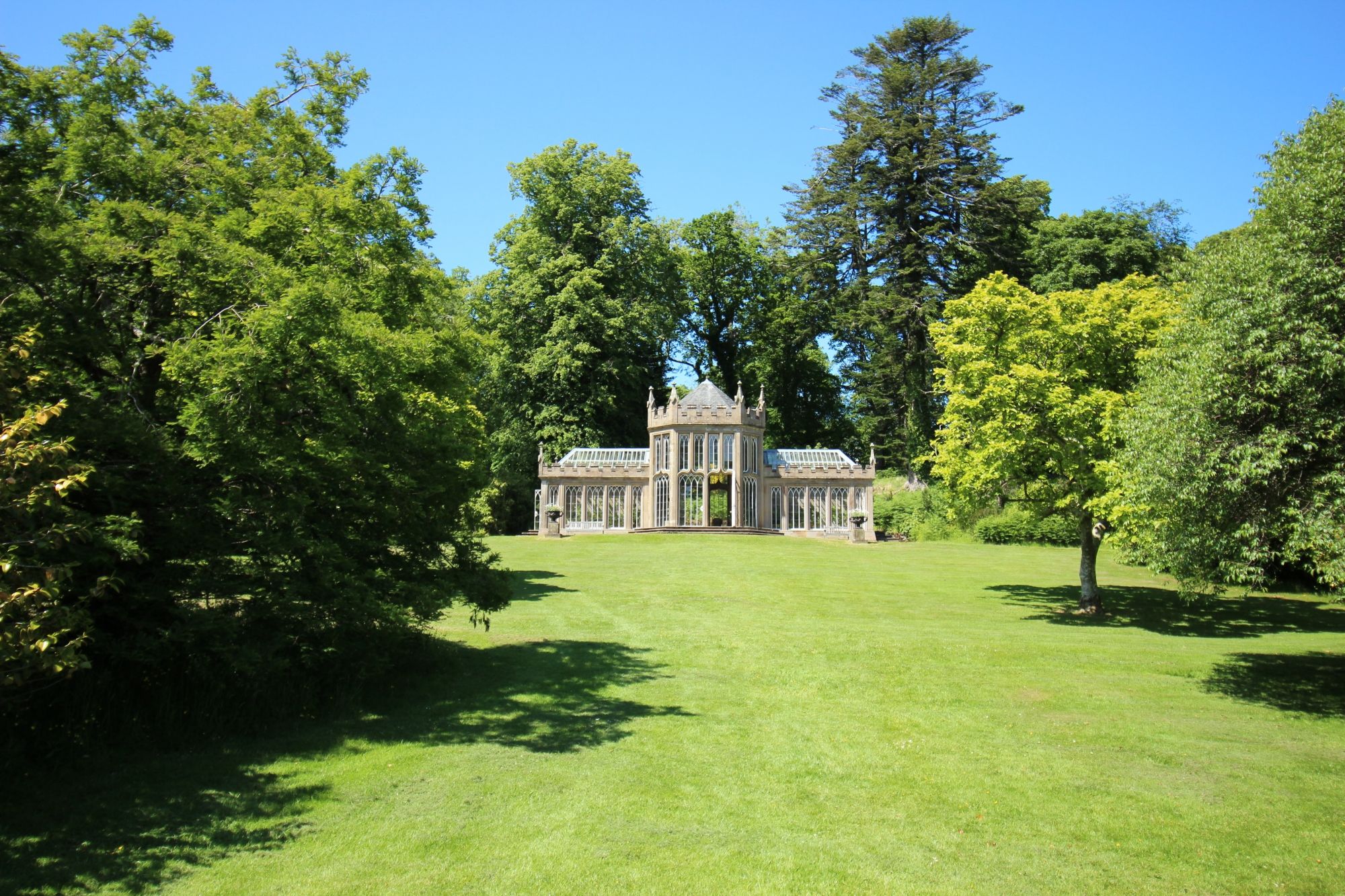
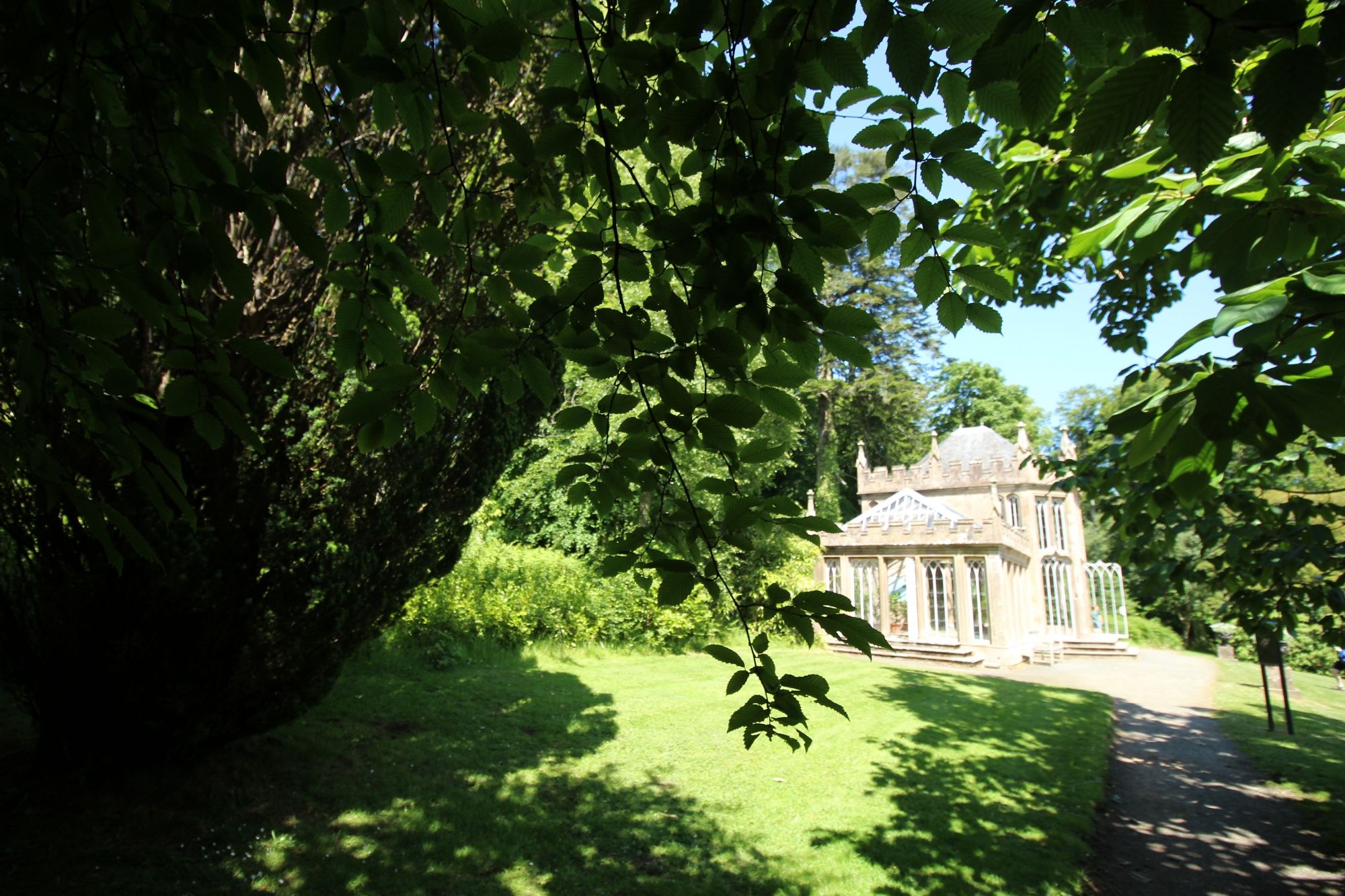
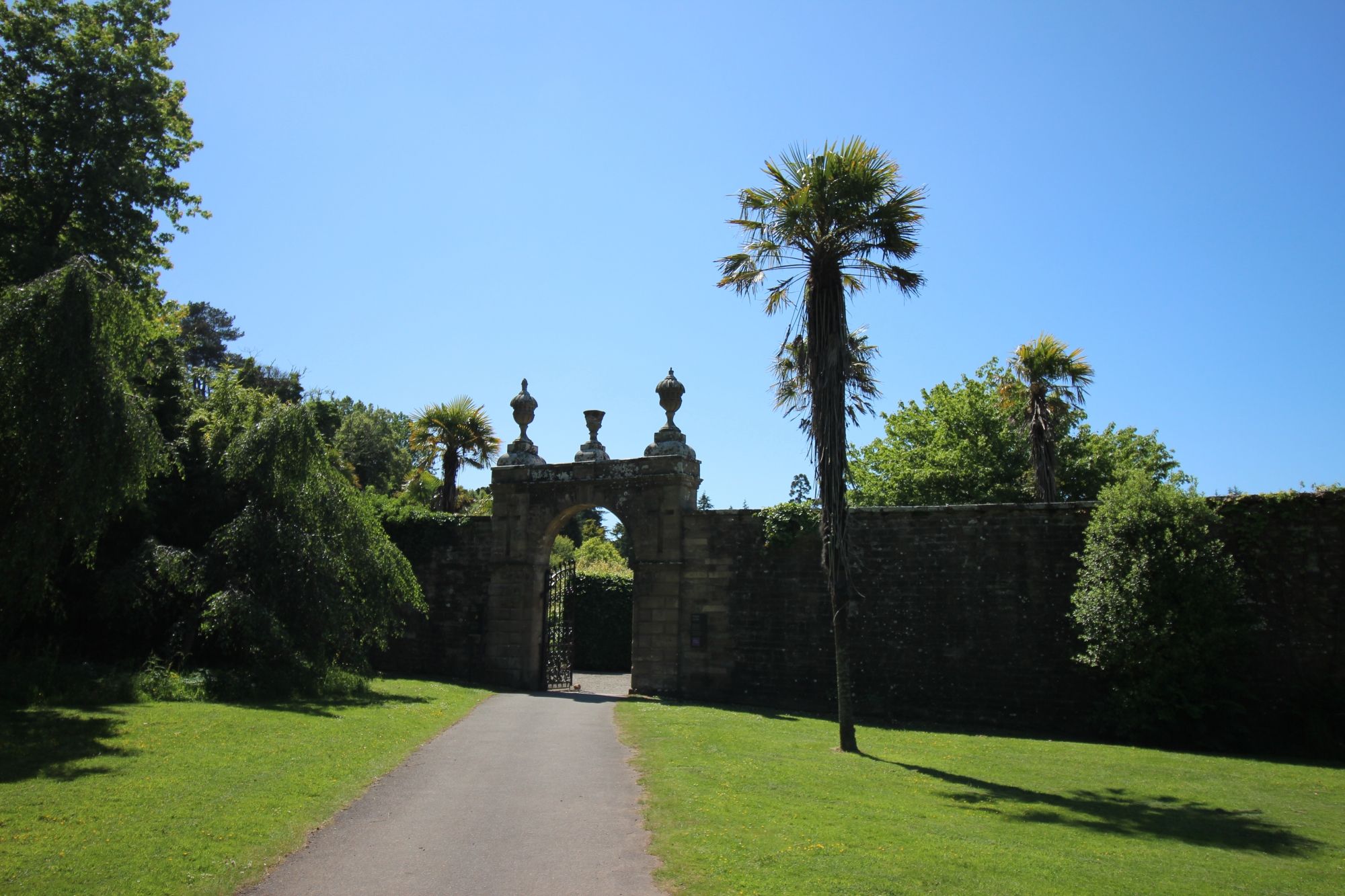
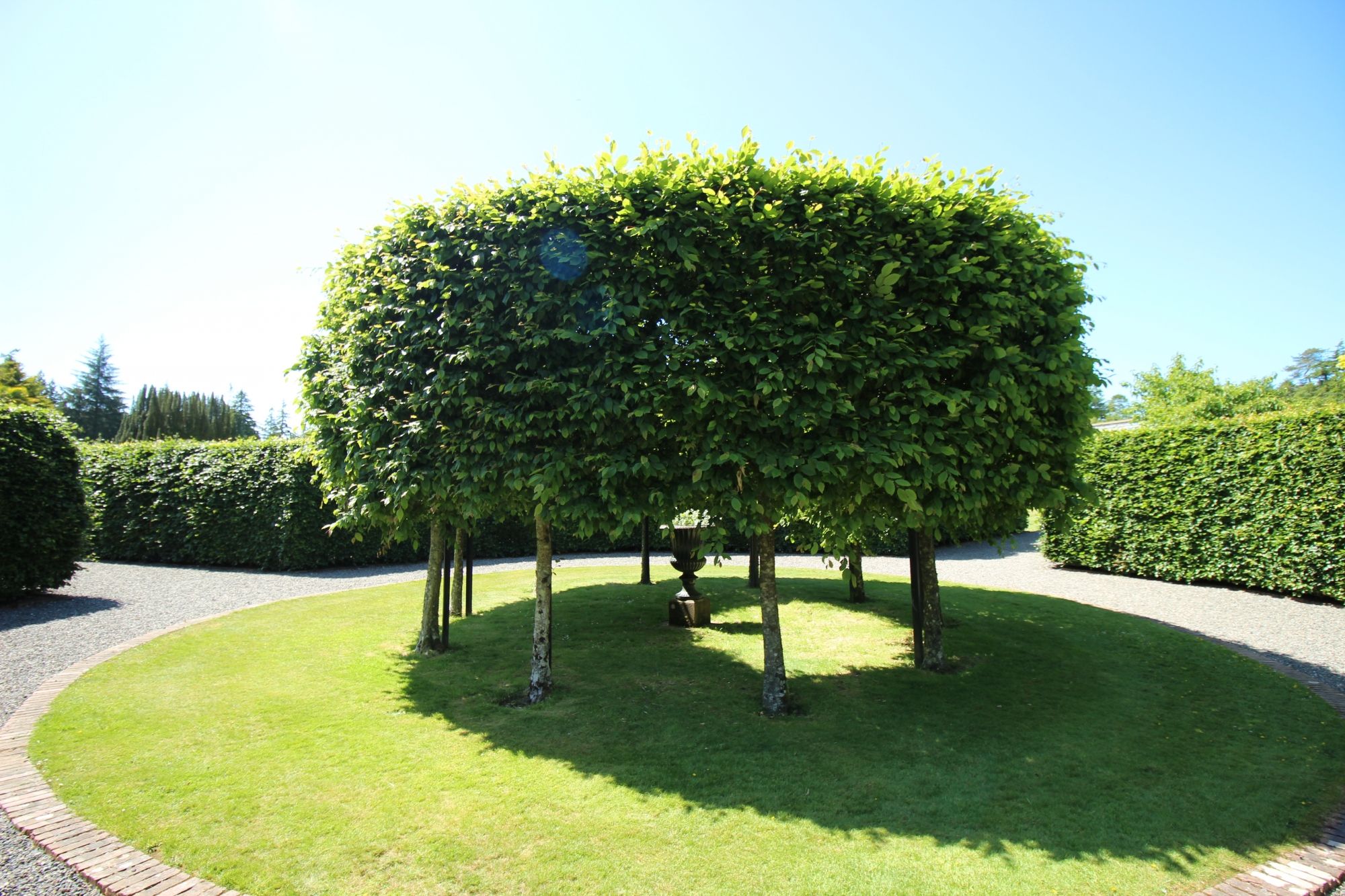
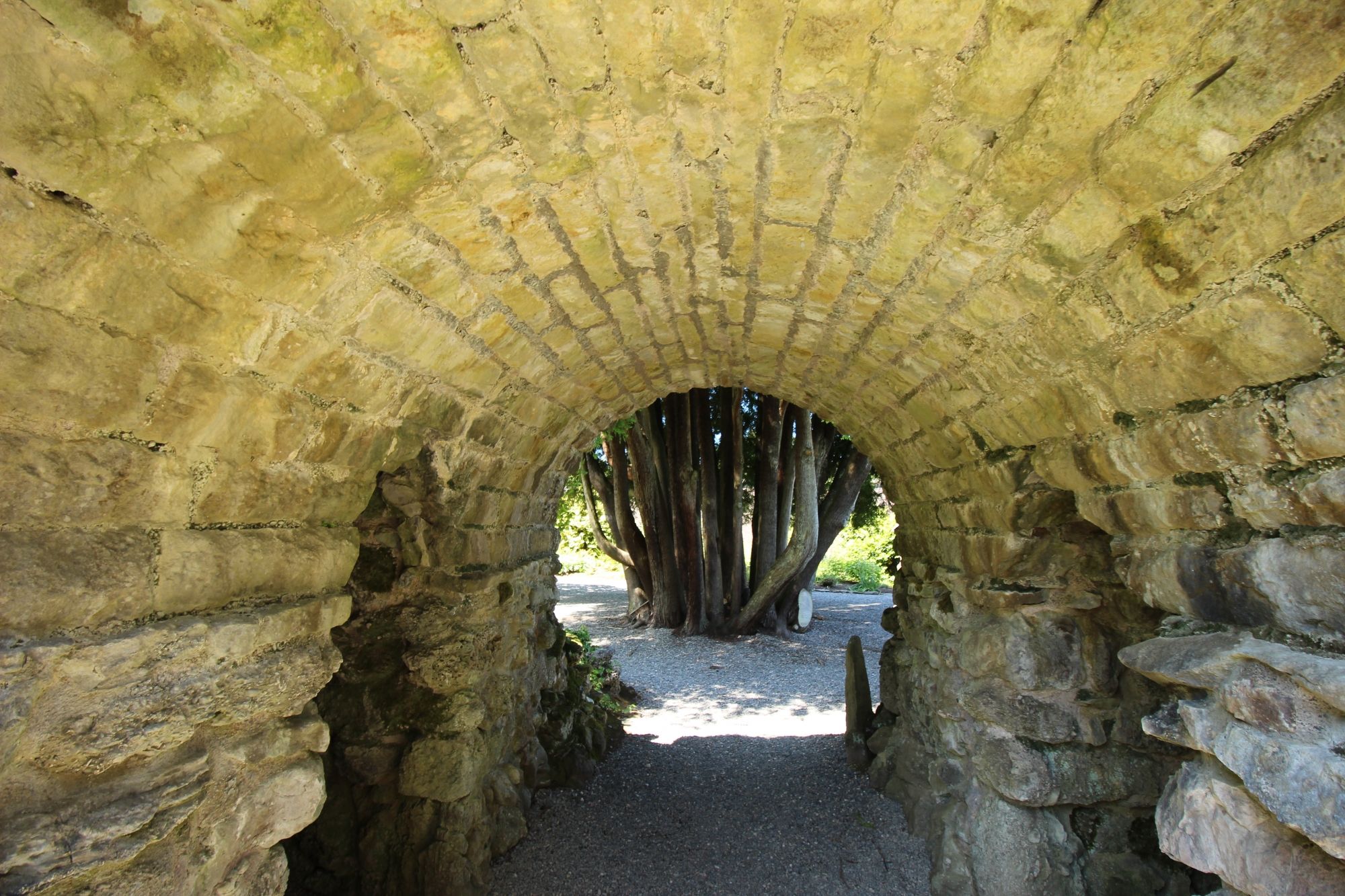
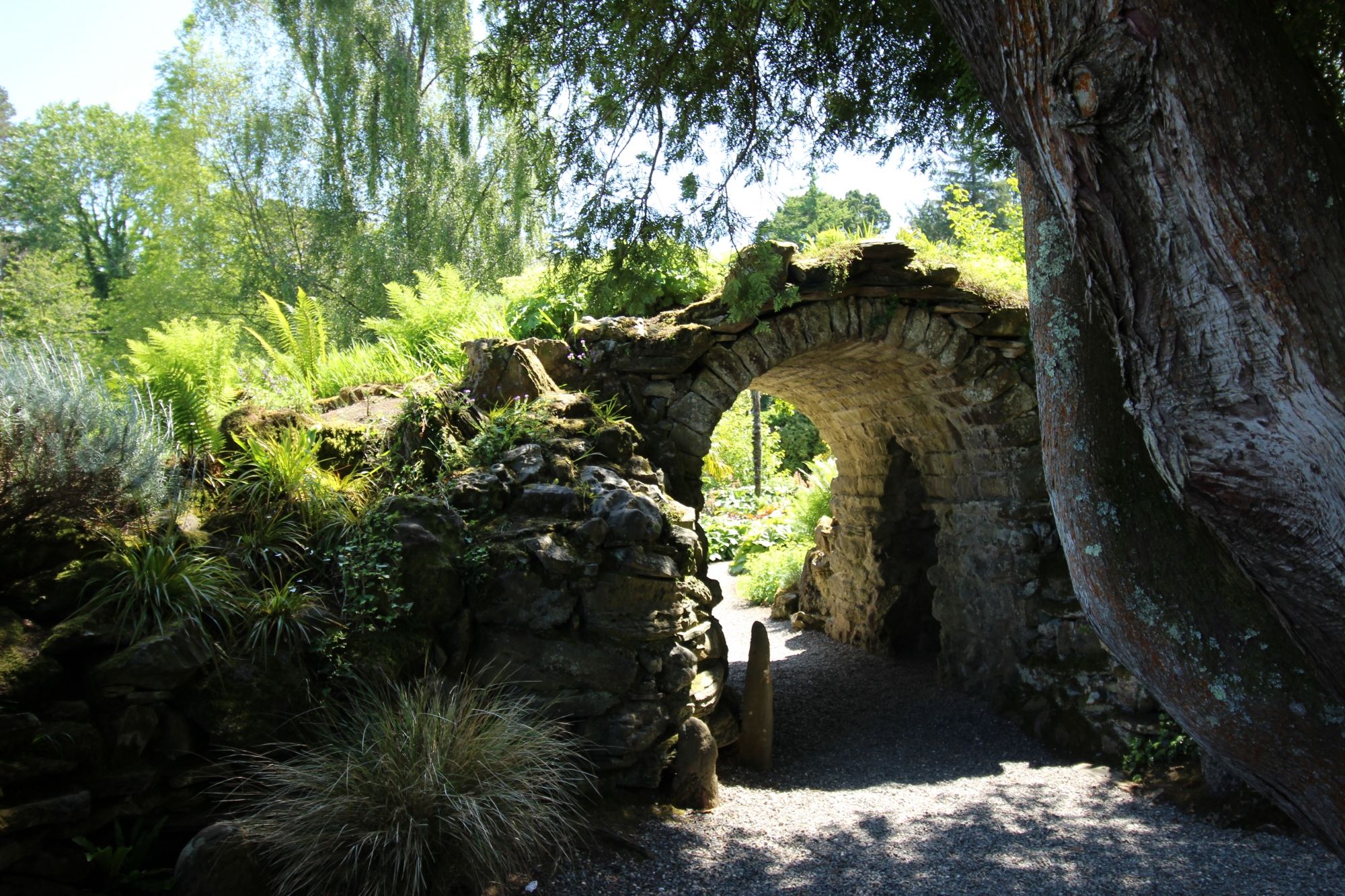
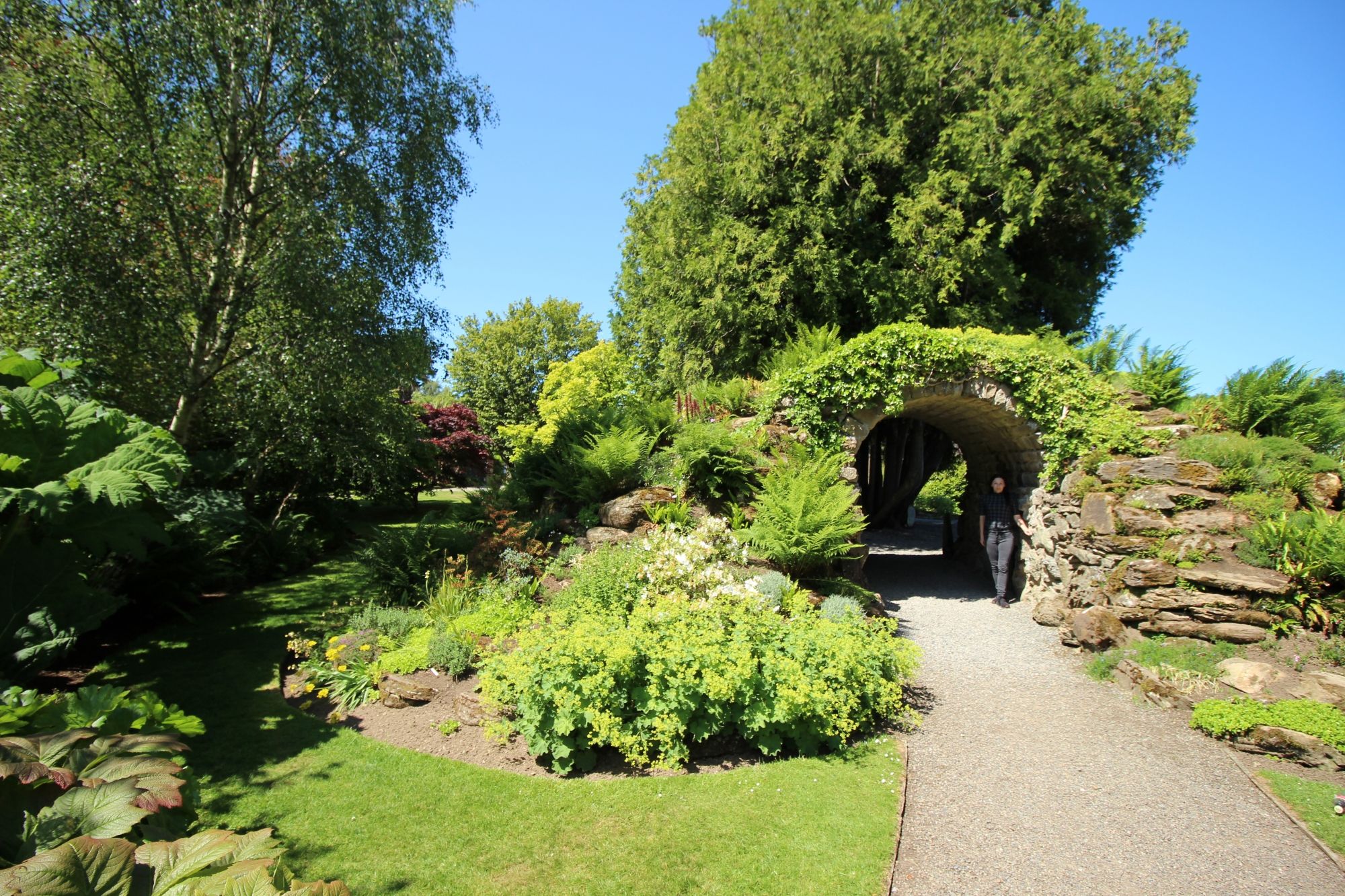
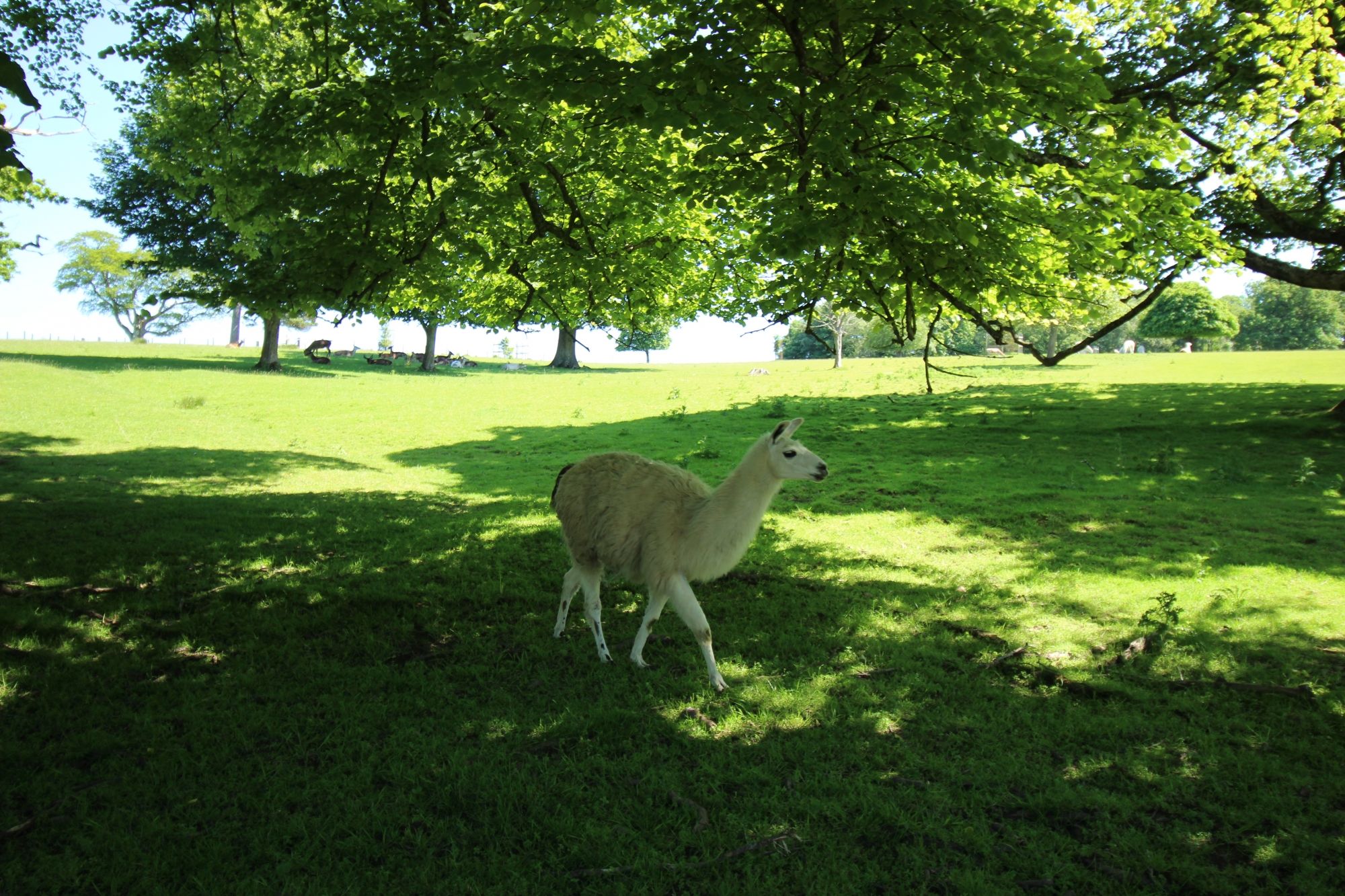
Walking inland away from the coastal fortifications, the estate paths wind past a historic animal park—home to llamas and other deer species—toward what is arguably the most romantic building on the property: the Camellia House. Originally constructed as an elegant fruit house, the coastal conditions proved unsuitable for citrus crops, which were eventually moved closer to the palace. The greenhouse was subsequently dedicated to camellias, which flourished in the damp, glass-shielded microclimate, and today this beautifully restored stone pavilion stands as a highly sought-after venue for wedding ceremonies. A short walk further brings you to the expansive Walled Garden. This massive, productive plot is highly unique, featuring unexpected exotic palm trees, neatly clipped hedges, a stone rock garden with its own artificial grotto, and an incredible collection of rare flora sourced from around the globe.
Visiting in 2026: Practical Advice
As one of the National Trust for Scotland's flagship properties, Culzean Castle is fully equipped with modern amenities for visitors in 2026. The estate features multiple spacious parking lots, meaning vehicle access is highly straightforward, with the primary parking area situated right next to the main visitor center, gift shops, and courtyard restaurants. Admission to the property requires a standard estate entry fee (£14 per adult and £8 per child), which covers full access to the vast grounds, beaches, and playgrounds for a whole day. To see inside the palace itself, a small supplemental building ticket (approximately £6) is required. Given the sheer physical scale of the estate and the density of its attractions, dedicating a full day to the visit is highly recommended to appreciate everything the property has to offer without rushing.
Conclusion: A Truly Complete Highland Experience
While Scotland boasts individual castle interiors that are older or formal gardens that are more intensely manicured, very few places on earth match the complete, multi-faceted experience of Culzean. It is a destination where every element—from the intimidating military history of the armory to the quiet peace of the woodland trails—is executed on a grand scale. Whether you are walking along the high stone ramparts to watch the waves crash on the rocks below, exploring the deep Victorian greenhouses, or relaxing in the elegant tearooms, Culzean creates a powerful sense of wonder. It is a spectacular monument to Scottish architectural ambition and coastal beauty that remains an essential highlight of the country’s heritage.