

Coral Beach: Skye’s Famous White Maerl Shoreline
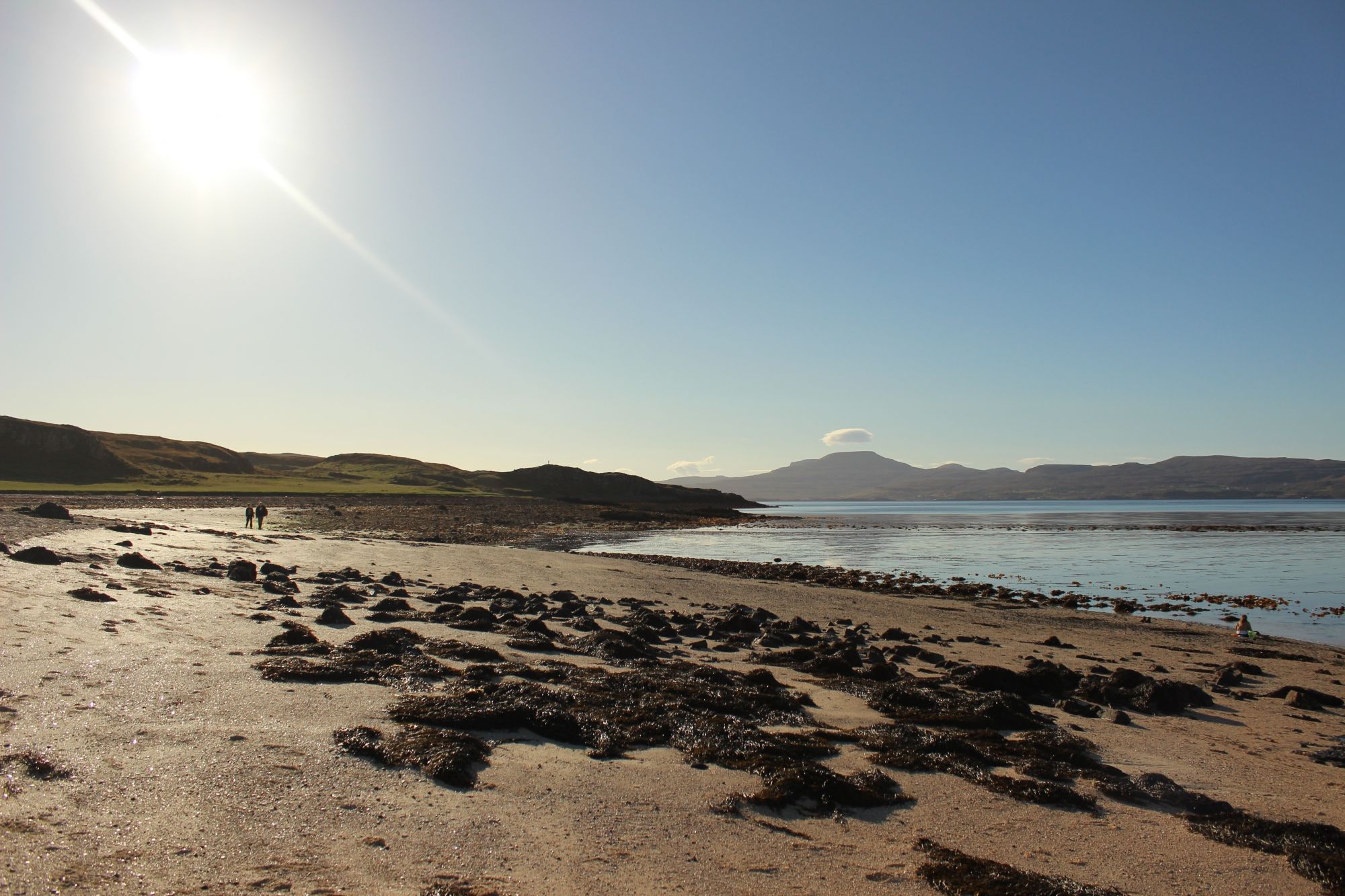
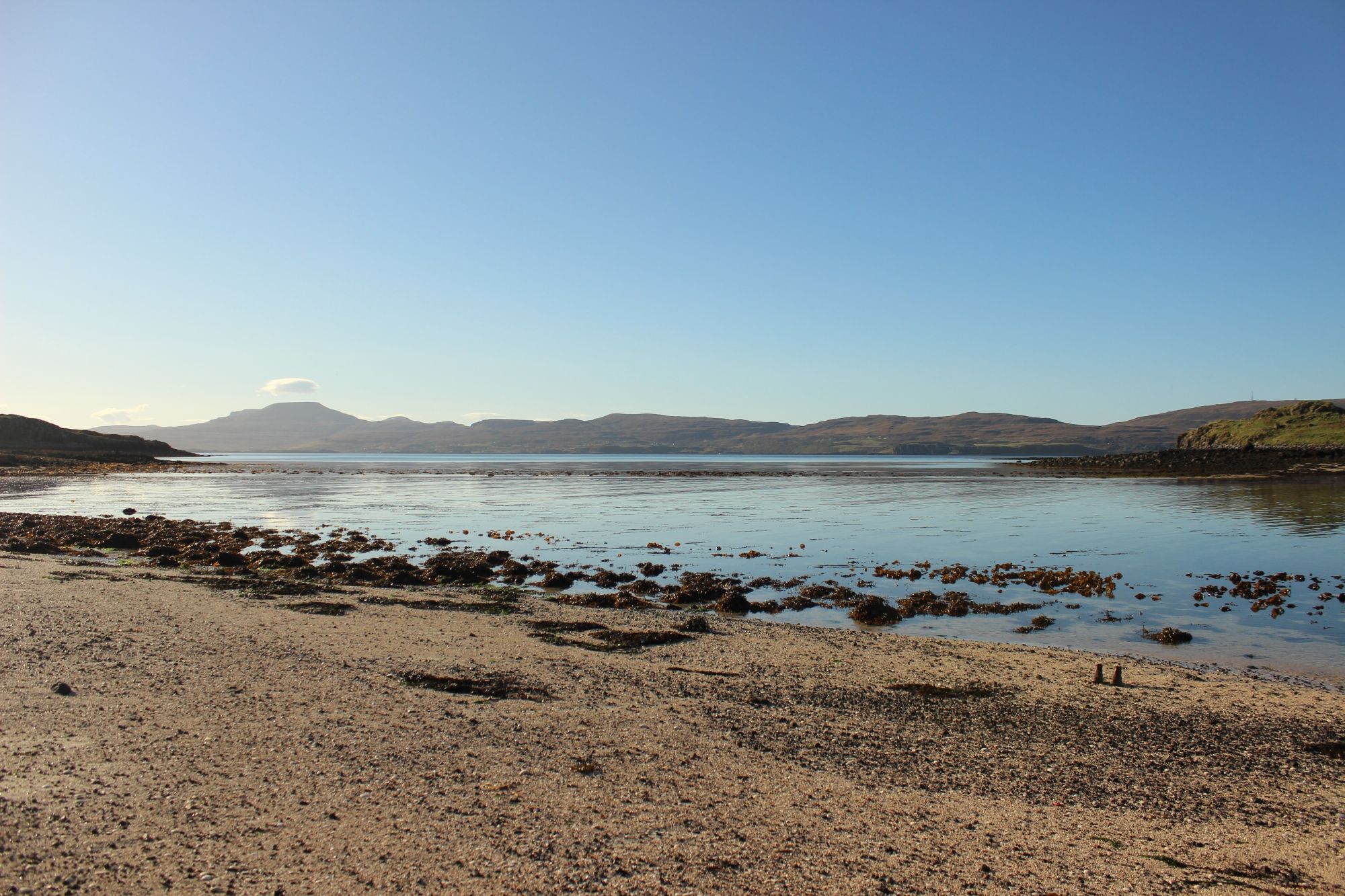
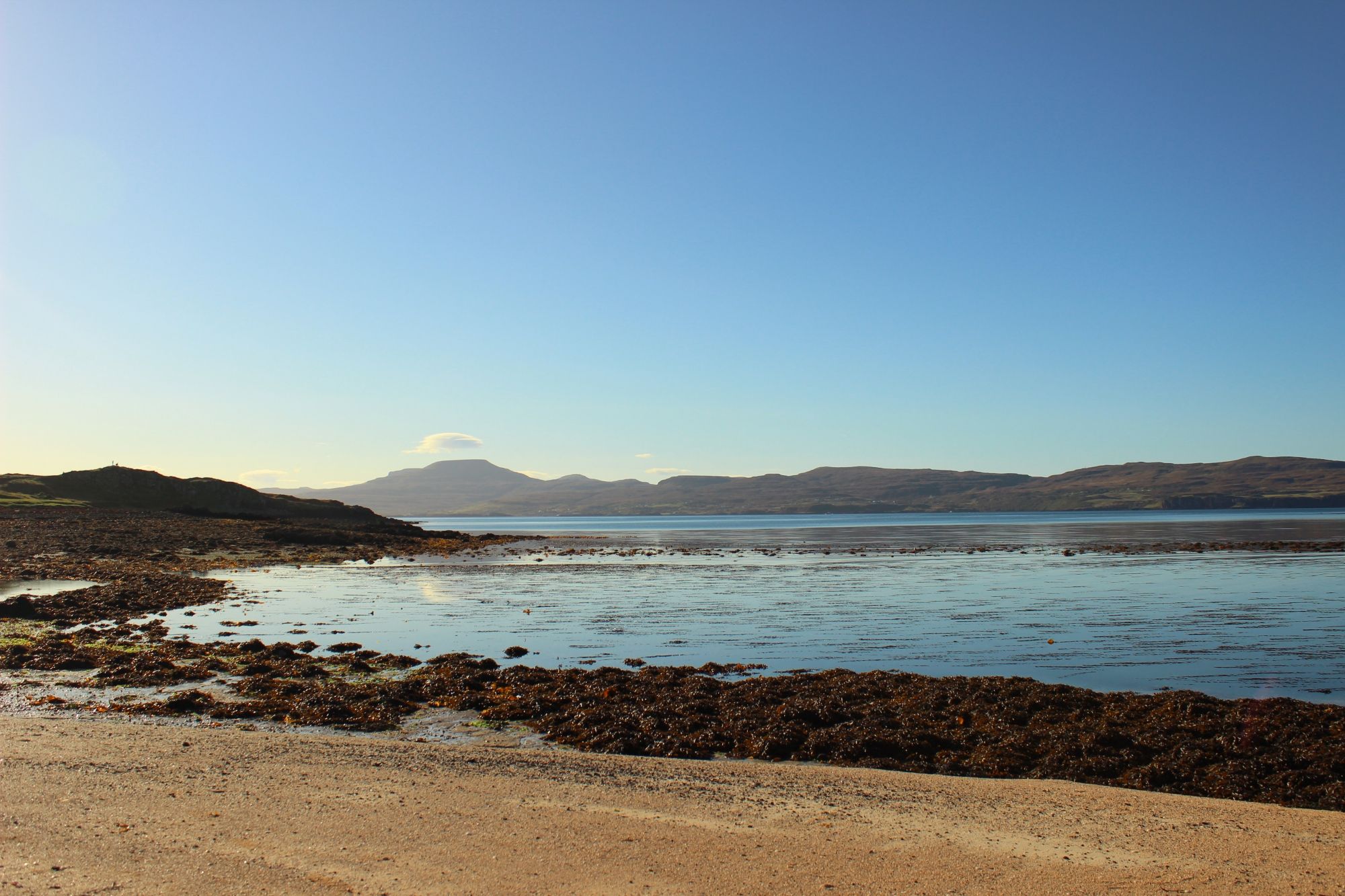
Located on the northern shores of the Isle of Skye near the small crofting community of Claigan, just past Dunvegan Castle, the Isle of Skye Coral Beach (Tràigh bhorghadail) is one of the most celebrated and talked-about coastal destinations in the Inner Hebrides. Visited by thousands of tourists every week, it is routinely featured by travel blogs and guidebooks as a top destination on the island. True to its reputation, it is undeniably beautiful; on a bright day, the combination of light sand and shallow water creates a striking, tropical-looking turquoise glow that seems entirely out of place in the north of Scotland. However, for travellers who prefer the raw, unpeopled wilderness of the Scottish edge, Coral Beach is a destination that frequently feels the weight of its own immense popularity. It is a highly established tourist trail that offers a busy, social atmosphere rather than the authentic sense of Hebridean isolation found elsewhere, making it a lesser favorite for those who prefer the island’s more dramatic, unsung shorelines.
The Reality Behind the "Coral" and the Crowds
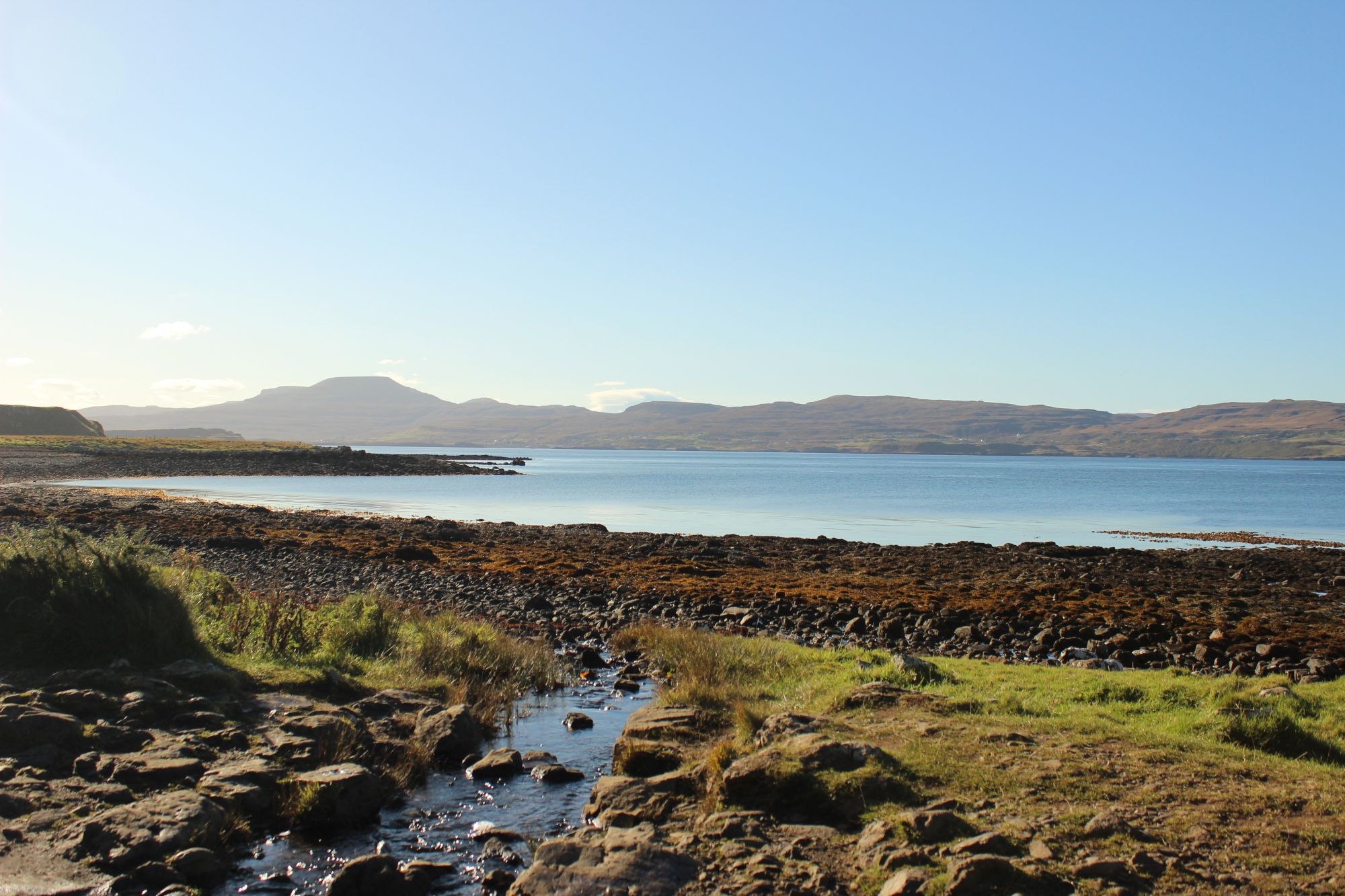
One of the most common misconceptions about Coral Beach is the material that gives the shoreline its famous bleached-white appearance. Despite its tropical name, the beach is not actually made of coral at all; instead, the shore is composed of sun-bleached, crushed fragments of maerl, a rigid, calcified red seaweed that grows in abundance offshore before washing up and dying on the banks. Up close, this creates a fascinating, brittle texture that feels vastly different underfoot compared to traditional sand. However, the sheer volume of fame surrounding this unique geological feature means that the beach is almost permanently bustling. While nearby destinations like the expansive, wild sands of Camas Daraich on the Sleat peninsula offer a vast, untamed paradise, or the moody, black-sand volcanic majesty of Talisker Beach provides a powerful sense of atmospheric solitude under towering cliffs, Coral Beach offers a much more populated and shared experience—a scenic backdrop where the constant presence of other travelers replaces the quiet solitude of the sea.
The Walk: A Straightforward Coastal Track
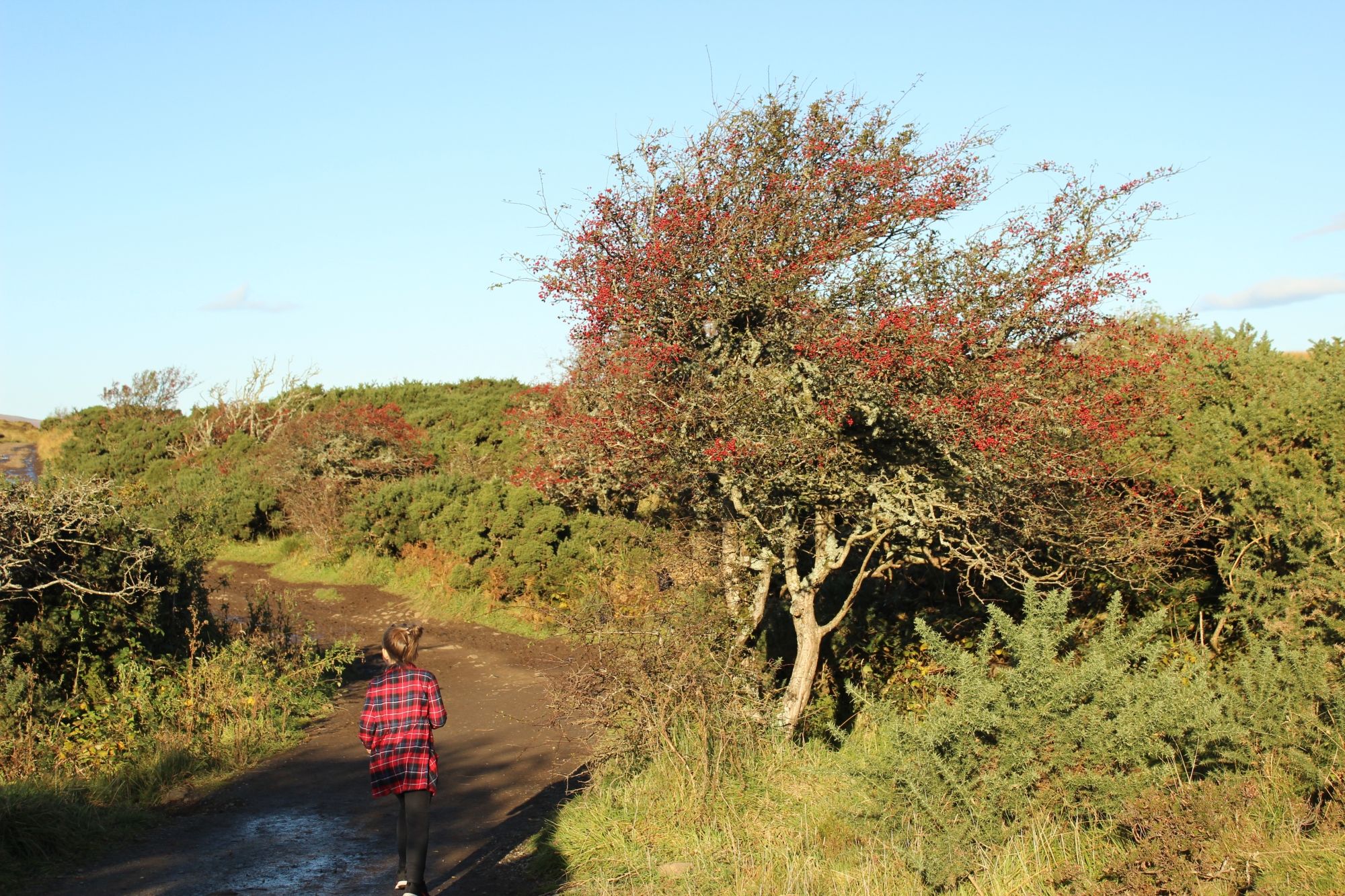
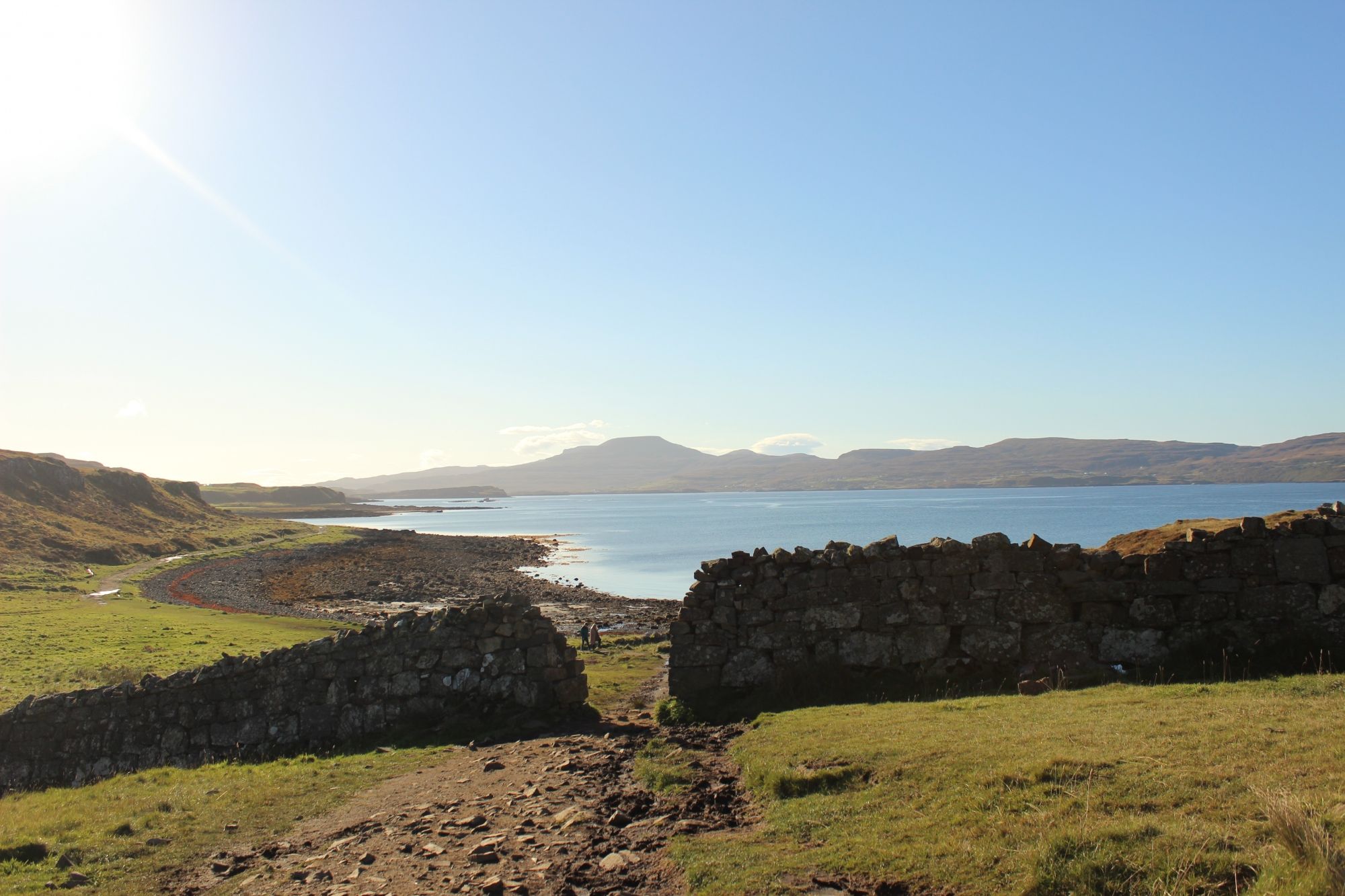
The excursion to Coral Beach is relatively short and physically uncomplicated, making it highly accessible for visitors of all fitness levels. The route follows a well-maintained, flat gravel track that traces the scenic eastern shoreline of Loch Dunvegan for about 1.5 miles (2.4 km) from the end of the public road. It takes roughly 30 to 45 minutes of steady walking each way to reach the main bay, passing through open farm fields where local livestock routinely graze along the path. While the walk offers pleasant views across the sea loch toward the outer islands, the trail itself lacks the rugged, engaging variety of Skye’s wilder hill paths. It is a highly predictable, linear march that serves well for a casual afternoon stroll, but misses the thrilling sense of discovery and wilderness exploration that defines the island's more remote, less-frequented coastal trails.
Visiting in 2026: The Claigan Parking Bottleneck
As tourism on the Isle of Skye remains exceptionally high in 2026, visiting Coral Beach requires careful logistical planning due to infrastructure constraints. The journey requires navigating a long, narrow, single-track dead-end road from Dunvegan to the formal car park at Claigan. In 2026, despite occasional community-led efforts to manage traffic flow, this small car park remains a notorious bottleneck that fills to absolute capacity early in the morning during the peak summer season. Because reversing on these tight single-track roads can be challenging for inexperienced drivers, arriving before 9:00 AM or waiting until late evening is highly recommended to avoid gridlock. There are zero public toilet facilities, bins, or shops at the beach or the car park, requiring all visitors to strictly adhere to "Leave No Trace" principles by packing out their own waste to protect the fragile coastal ecosystem from the heavy daily foot traffic.
Practical Tips for Managing Expectations
If you include Coral Beach on your Skye itinerary to judge its reputation for yourself, a few practical tips can help make the visit more enjoyable. High-quality walking shoes are not strictly necessary for the flat gravel path, but sturdy footwear is helpful if you plan to climb Lampay Hill—the small grassy mound situated at the far end of the beach which offers the best elevated vantage point for looking down over the white maerl banks. To avoid the standard tourist haze and the worst of the mid-day crowds, planning a visit during an overcast, dramatic morning or a late-summer sunset is often the most rewarding option. Additionally, if the tide is completely out, you can explore the small tidal island of Lampay just offshore, but visitors must remain highly vigilant of the rapidly returning water to ensure they do not become stranded away from the main shoreline.
Conclusion: A Beautiful but Highly Frequented Stop
Ultimately, Coral Beach is a perfectly pleasant, highly photogenic location that draws a great deal of internet-driven attention. It is a destination defined by its immense popularity rather than a quiet sense of Hebridean spirit—a beautiful white-and-turquoise cove that is widely promoted as a must-see experience on Skye. While it remains a worthwhile stop for those looking for an easy, flat coastal walk near Dunvegan, it offers a very different atmosphere from the dramatic scale, volcanic energy, and deep solitude provided by the island's hidden treasures like Talisker or Camas Daraich. It stands as a striking example of Skye's famous landmarks—beautiful to look at, but best enjoyed if you go in knowing you will be sharing the view with many others.