



Cockleroy Hill: A Modest Viewpoint Over the Central Belt
Situated in West Lothian, just a short drive south of the historic town of Linlithgow, Cockleroy Hill stands as a prominent volcanic plug within the Muiravonside and Beecraigs area. Rising to a modest height of 278 meters (912 feet), it is a frequently visited local landmark that offers panoramic views over the sprawling central belt of Scotland. For many residents of the surrounding towns, it serves as a convenient, quick escape for an afternoon stretch of the legs. However, for those accustomed to the raw, isolated majesty of the Scottish Highlands or the dramatic, unpeopled coastlines of the western isles, Cockleroy Hill is unlikely to become a personal favorite spot. It is a highly functional, suburban hill walk rather than a wilderness adventure—a place where the hand of modern civilization is always visible on the horizon, and the constant hum of the nearby central transport network serves as a reminder of the industrial lowlands just beyond the trees.
The Trail: A Short and Functional Ascent
The walk to the summit of Cockleroy Hill is exceptionally short, making it more of a brief uphill stroll than a true trek. The most common starting point is the dedicated Beecraigs Country Park car park located on the eastern flank of the hill, just off the single-track rural road. From here, the path leads directly into a dense forestry plantation before breaking out onto the open, grassy hillside. The ascent takes roughly 15 to 20 minutes to complete, following a well-worn, heavily eroded dirt path that can become incredibly muddy and slippery after typical Scottish rainfall. While the path is clear, the terrain lacks the rugged, engaging variety found on wilder paths, relying on simple wooden steps in steeper sections to manage foot traffic. It is a straightforward, predictable climb that serves well for a quick blast of fresh air, but lacks the sense of discovery or physical challenge that defines Scotland’s more remote trails.
The Summit: A Panoramic Grid of Industry
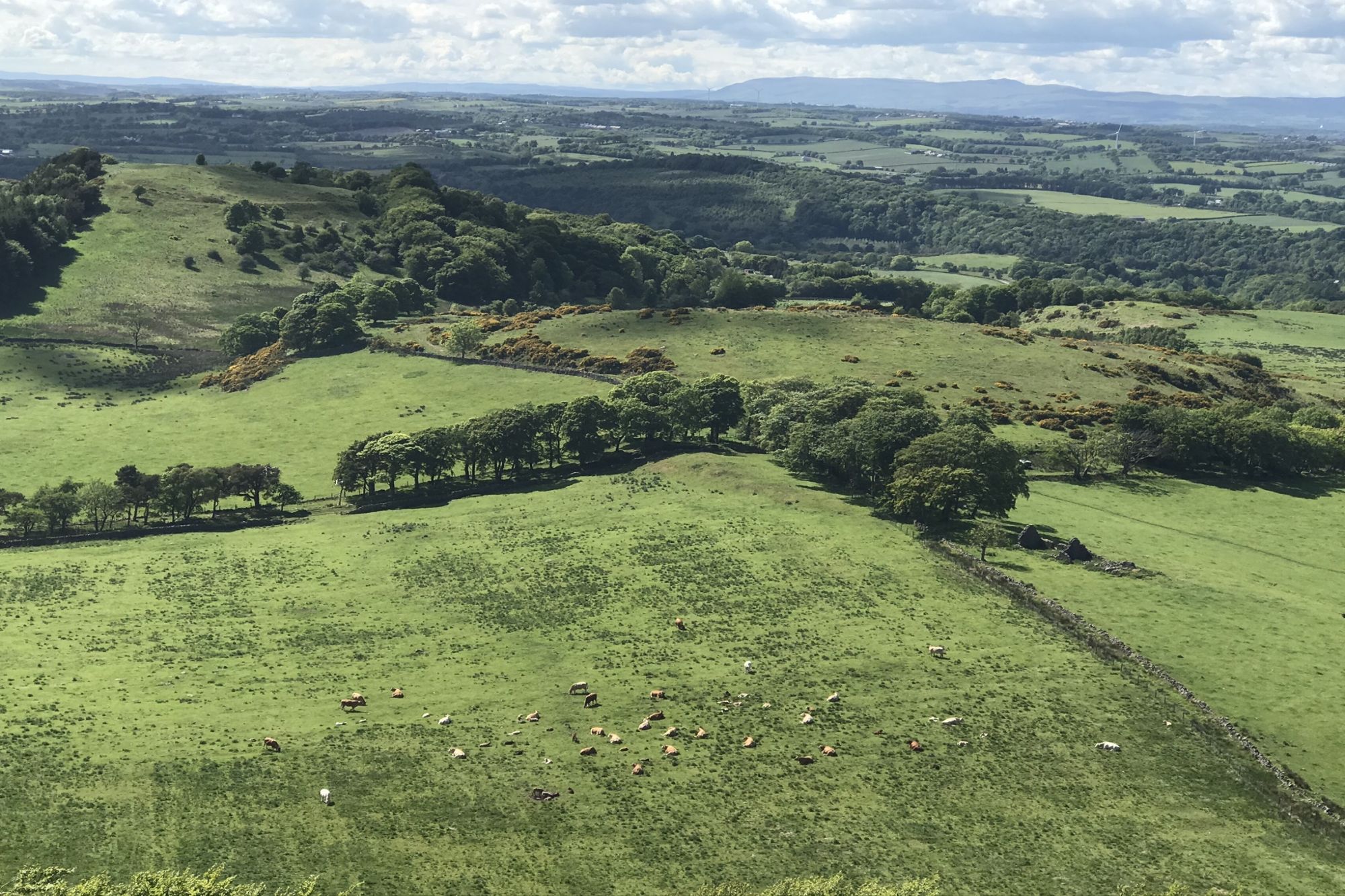
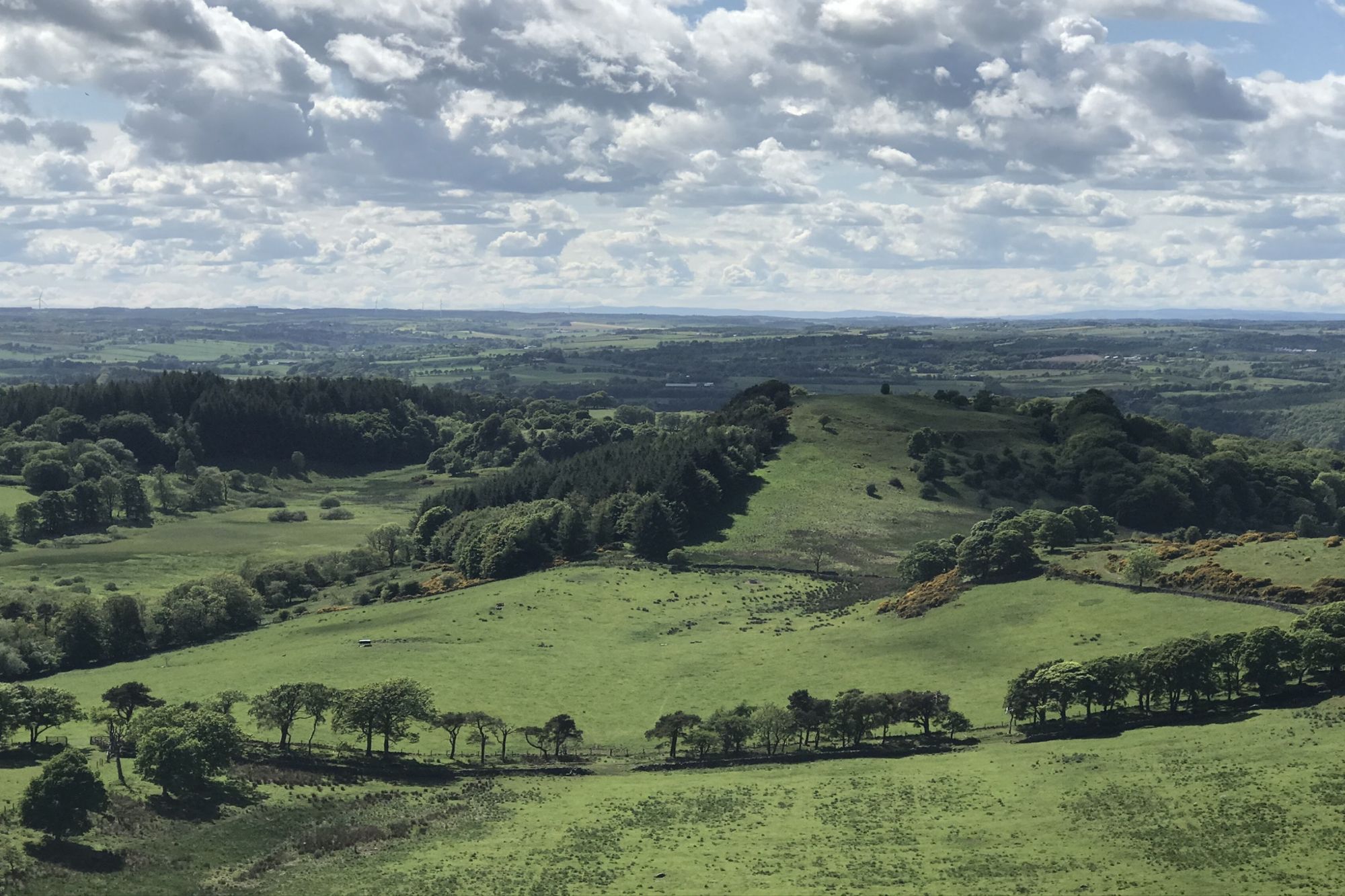
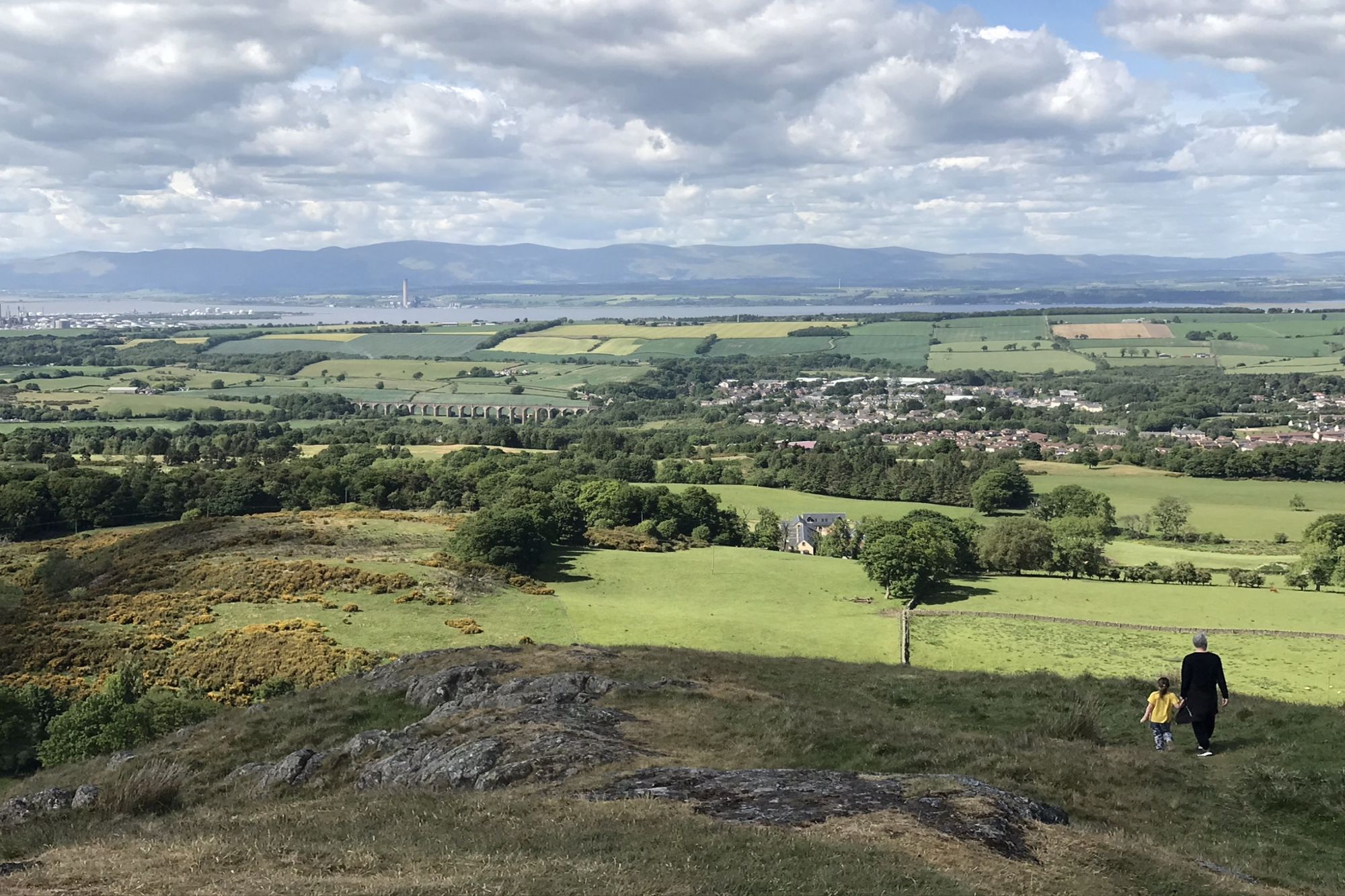
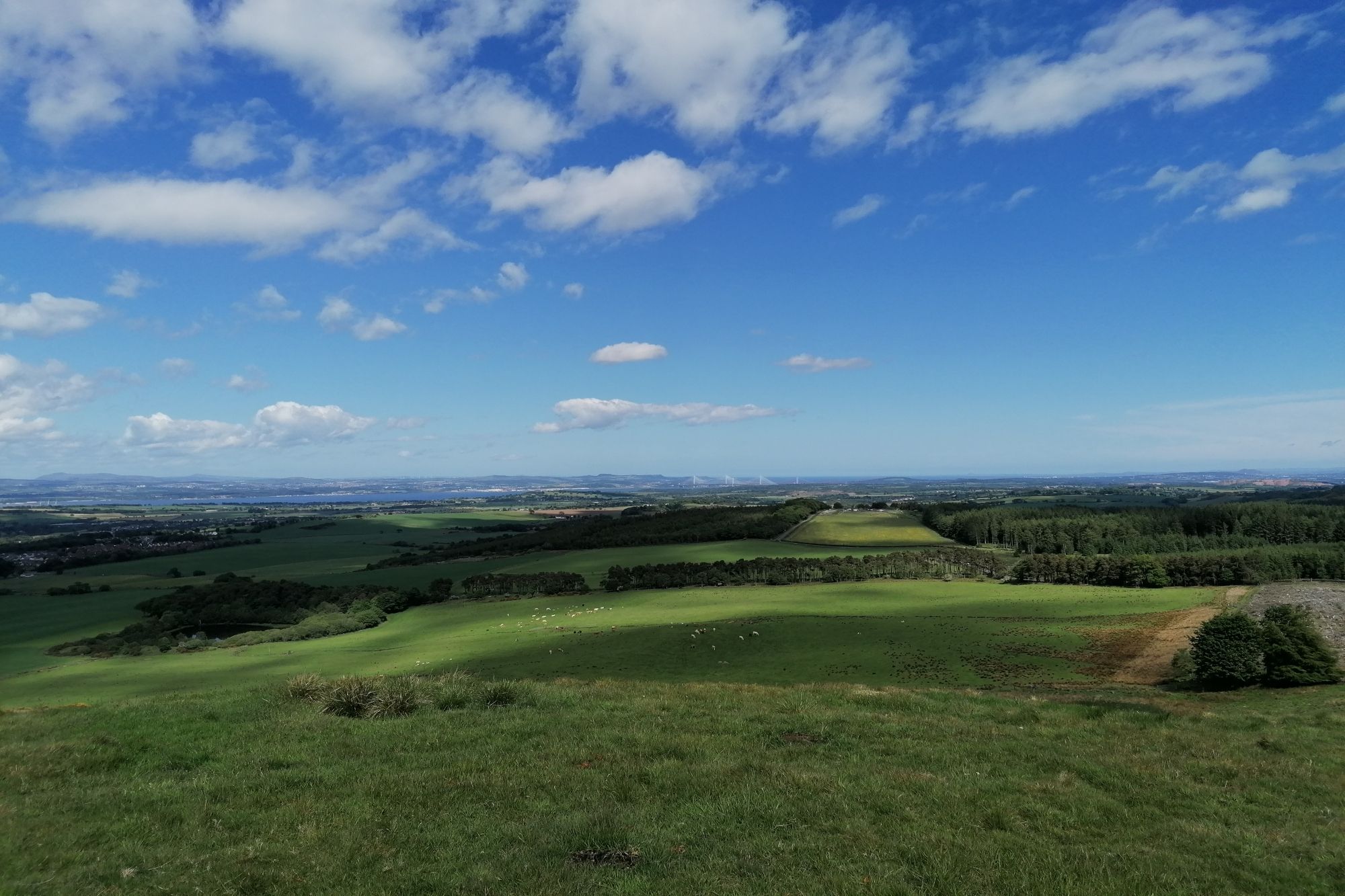
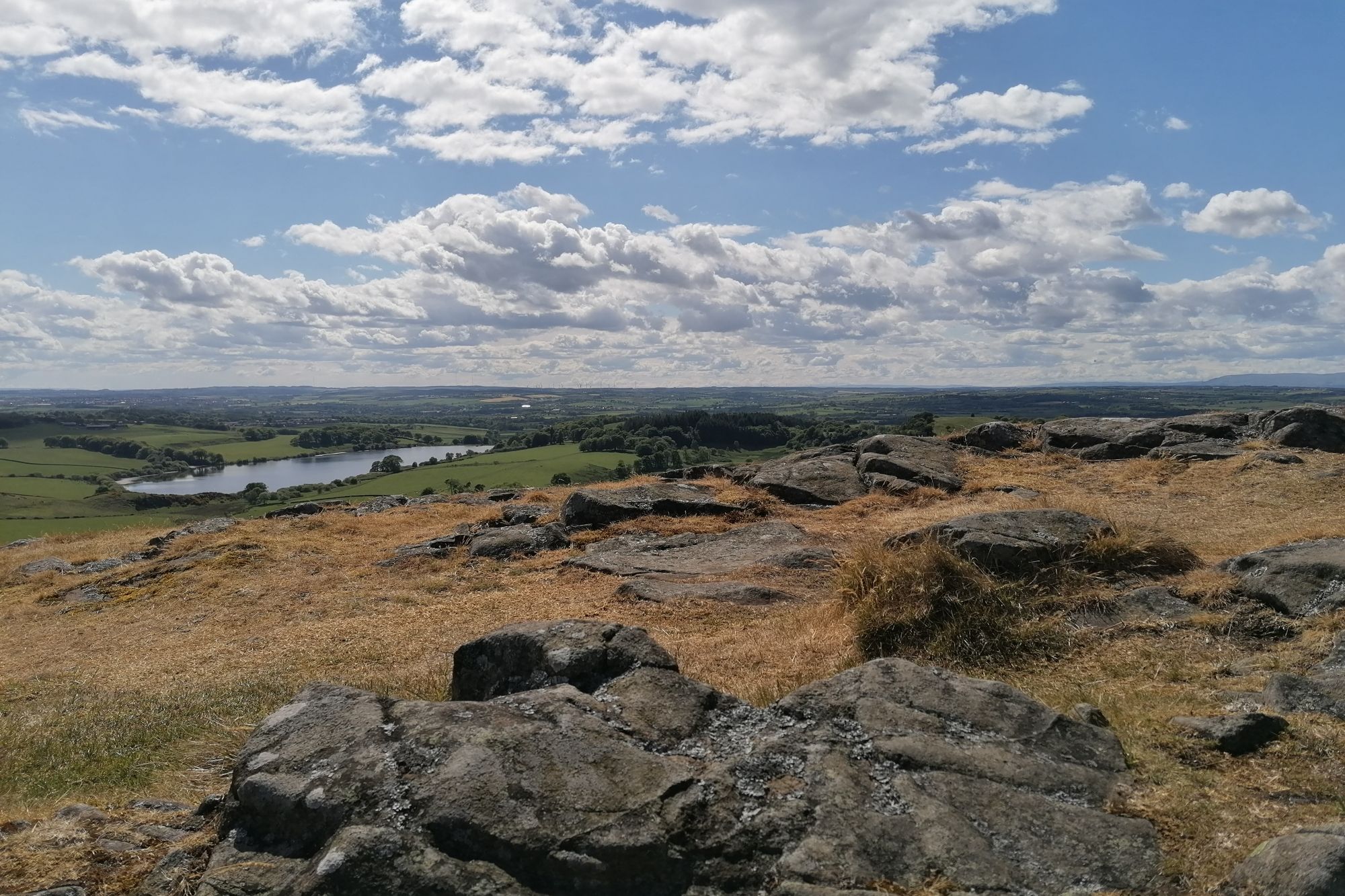
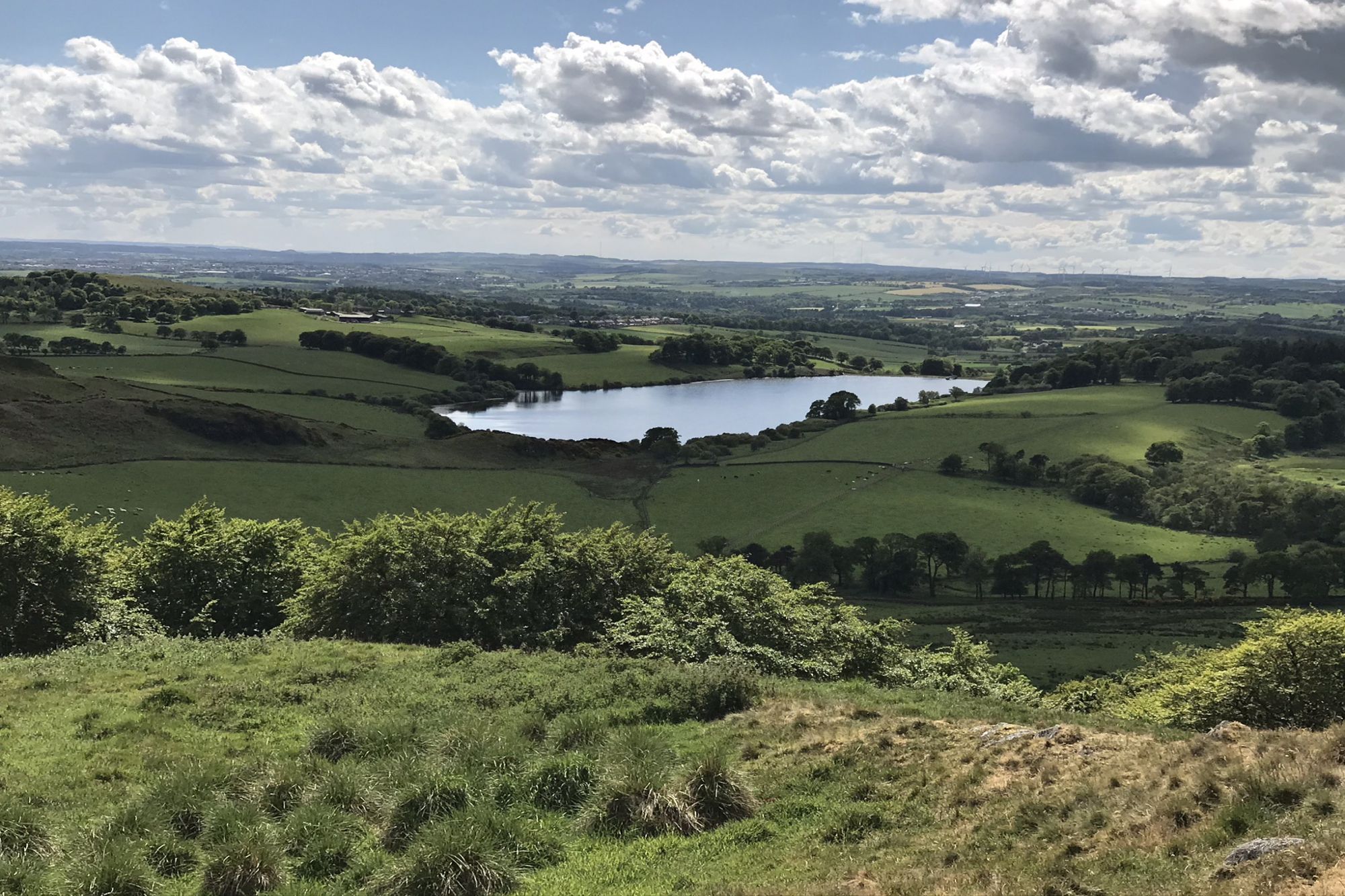
The summit of Cockleroy Hill is the site of an ancient Iron Age hillfort, though today its prehistoric defensive ramparts are reduced to subtle, grass-covered ridges that are easily missed. Instead, the highest point is clearly marked by a modern concrete trig point and a stone viewpoint indicator. On a clear day, the summit does provide an undeniable, sprawling 360-degree panorama of central Scotland. To the north, you can see the flashing waters of the Firth of Forth and the distinctive arches of the Forth Bridges; to the west, the Ochil Hills roll away into the distance. However, unlike the wild vistas of the northwest, the view from Cockleroy is dominated by the heavy infrastructure of the Central Belt. The massive industrial chimneys of Grangemouth, the geometric grids of local housing estates, and the busy corridors of the M9 motorway form a permanent backdrop to the scene. For some, this intersection of nature and industry is fascinating, but for those seeking a true escape from urban life, the view can feel somewhat cluttered and uninspiring.
Visiting in 2026: Beecraigs Country Park Context
As part of the wider Beecraigs Country Park infrastructure in 2026, Cockleroy Hill benefits from excellent, well-maintained municipal facilities. The car park at the base of the hill remains free to use, though its proximity to Edinburgh and Glasgow means it can become incredibly crowded on weekends with dog walkers, families, and mountain bikers. The adjacent country park offers a visitor center, a animal attraction featuring red deer, and a large caravan site. In 2026, local park rangers continue to manage the heavy foot traffic on Cockleroy by laying down gravel to combat the severe path erosion caused by thousands of weekly visitors. While this management keeps the hill safe and accessible, it further strips away any lingering sense of wildness, making the entire experience feel more akin to walking through a manicured city park than exploring the untamed Scottish countryside.
Practical Tips for a Quick Visit
If you are planning to include Cockleroy Hill as a quick stop on your itinerary, perhaps when traveling between Edinburgh and Stirling, a few practical points will help smooth your visit. High-quality walking shoes or boots are still recommended, not because the hill is dangerous, but because the heavy clay soil on the main path retains water and becomes remarkably slick. To avoid the worst of the crowds and the industrial haze that can settle over the lowlands, a visit during the early morning on a crisp, windy winter day is often the best option, as the wind helps clear the air for sharper photography of the distant bridges. There are no facilities on the hill itself, so visitors looking for a bite to eat or a hot drink are best served by heading down into Linlithgow, which boasts an excellent selection of traditional pubs and independent cafés clustered around its historic palace loch.
Conclusion: A Convenient Contrast
Ultimately, Cockleroy Hill is a pleasant but unremarkable viewpoint that suffers in comparison to Scotland's grander landscapes. It is a destination defined by its convenience rather than its character—a short, muddy climb that rewards a minimal amount of effort with a wide, industrial view. While it holds a fond place in the hearts of local dog walkers and families from West Lothian, it remains a modest, suburban hill that highlights the stark contrast between the busy, developed Central Belt and the true, unaltered wild sanctuaries of the north and west.