




Clachtoll Beach: The Jagged Edge of the Assynt Wilderness
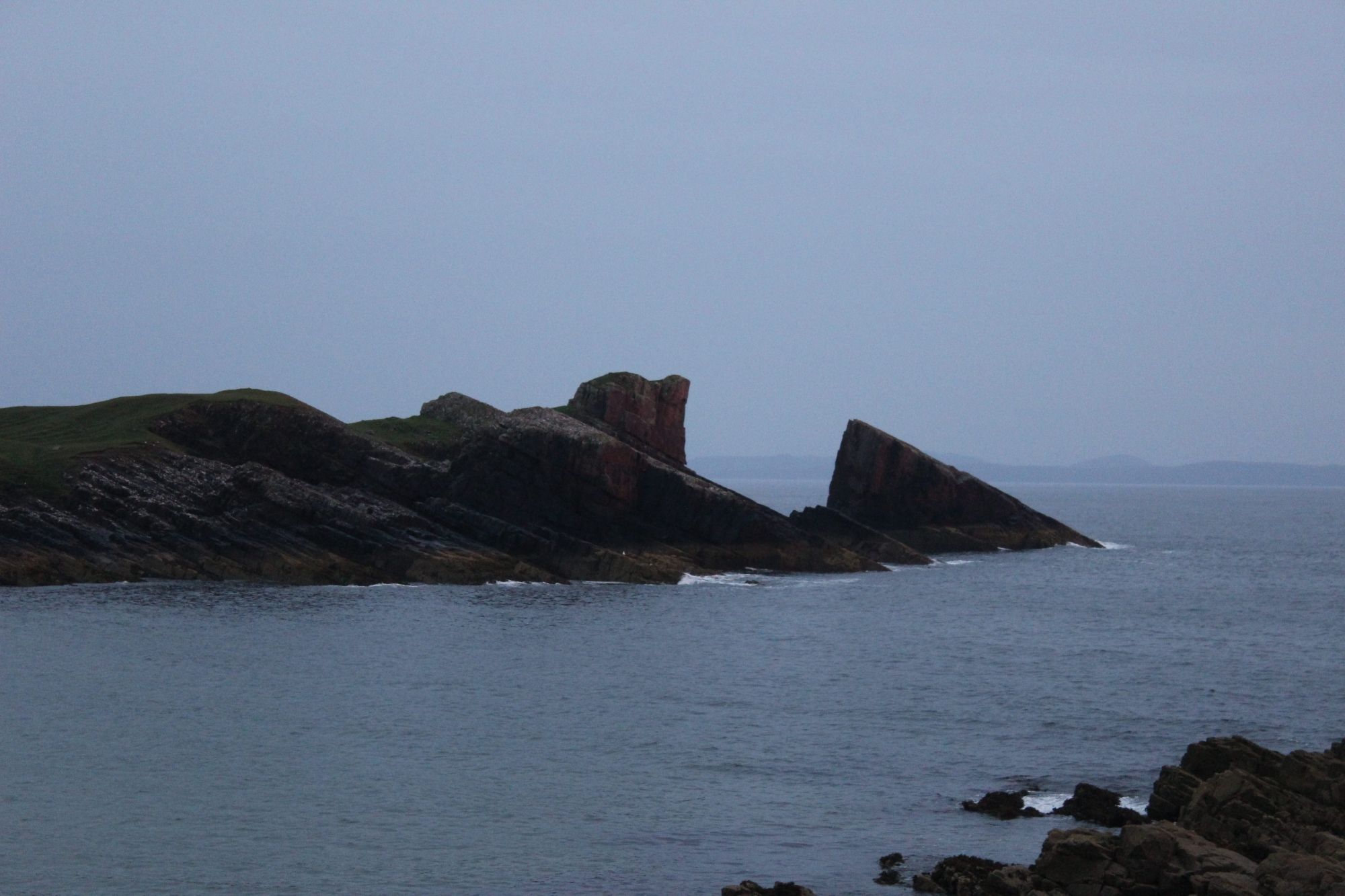
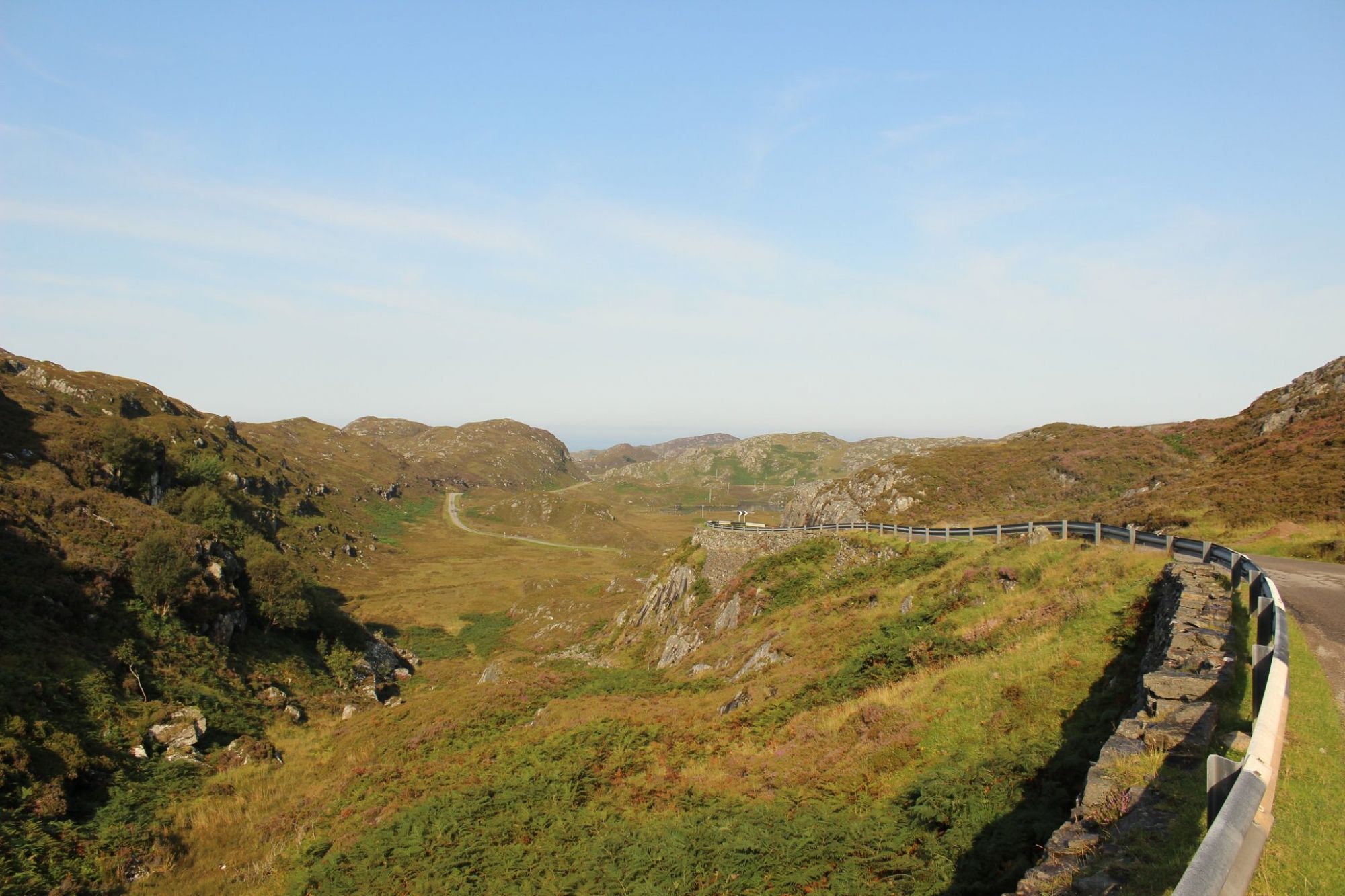
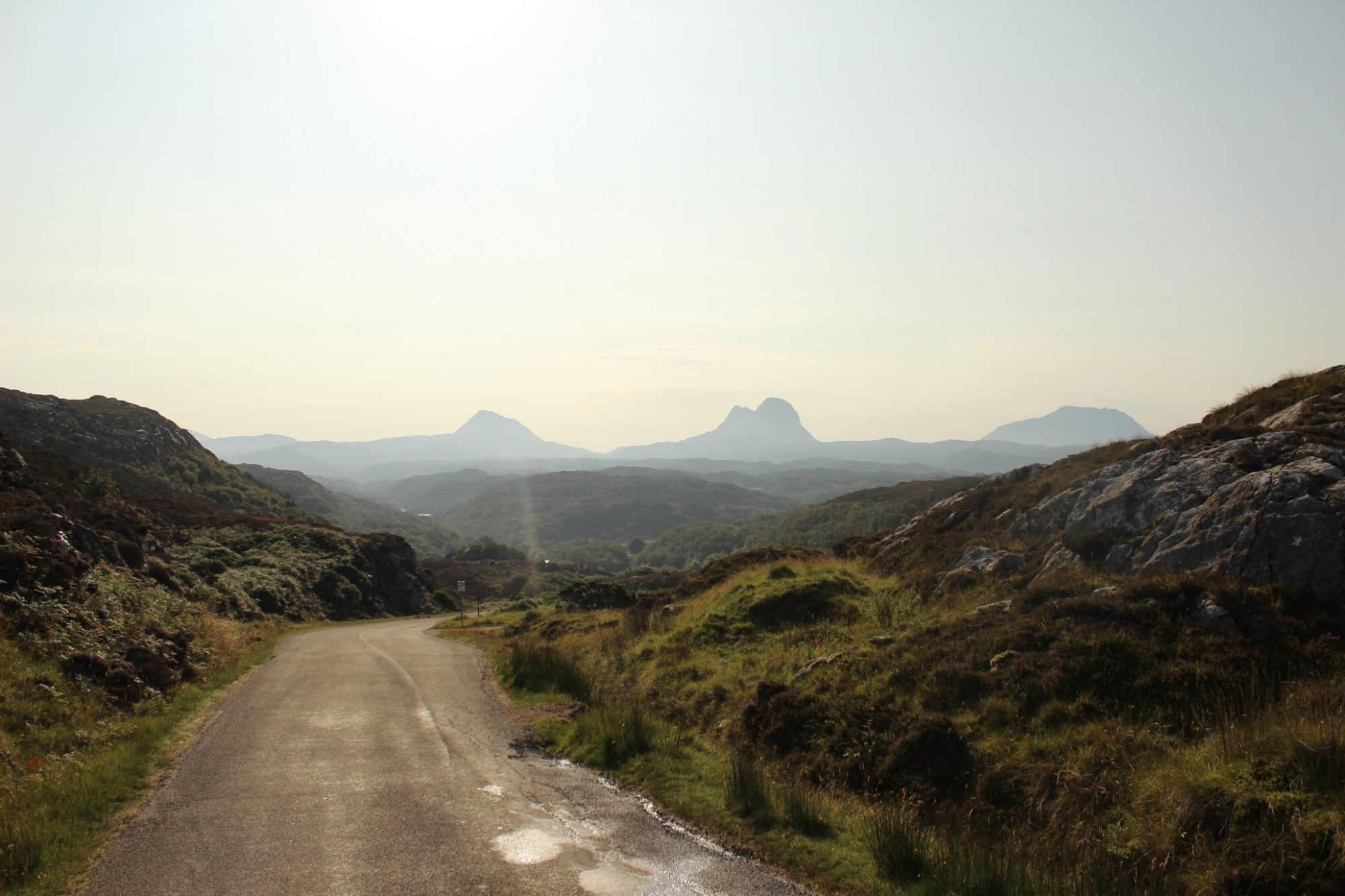
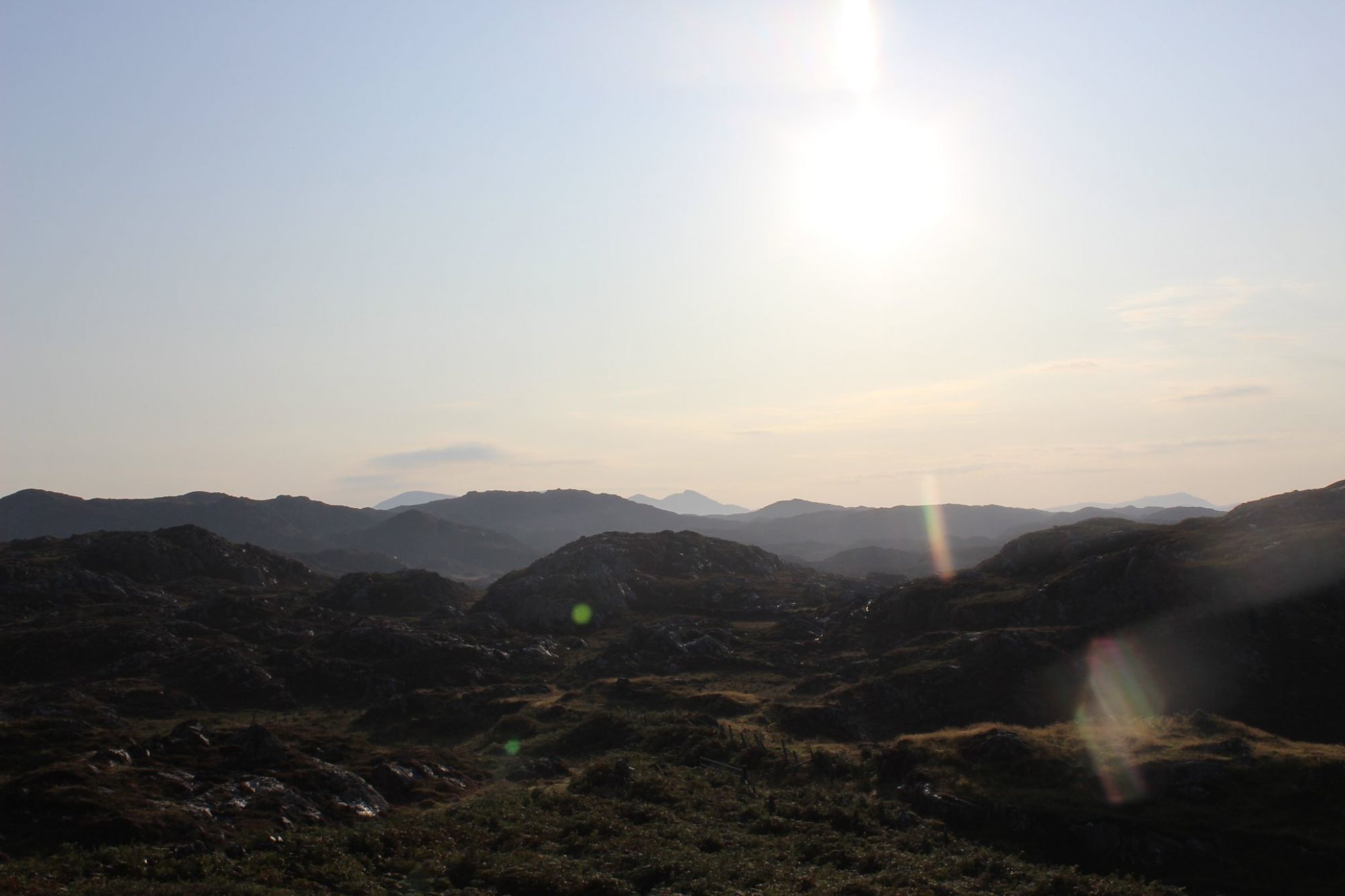
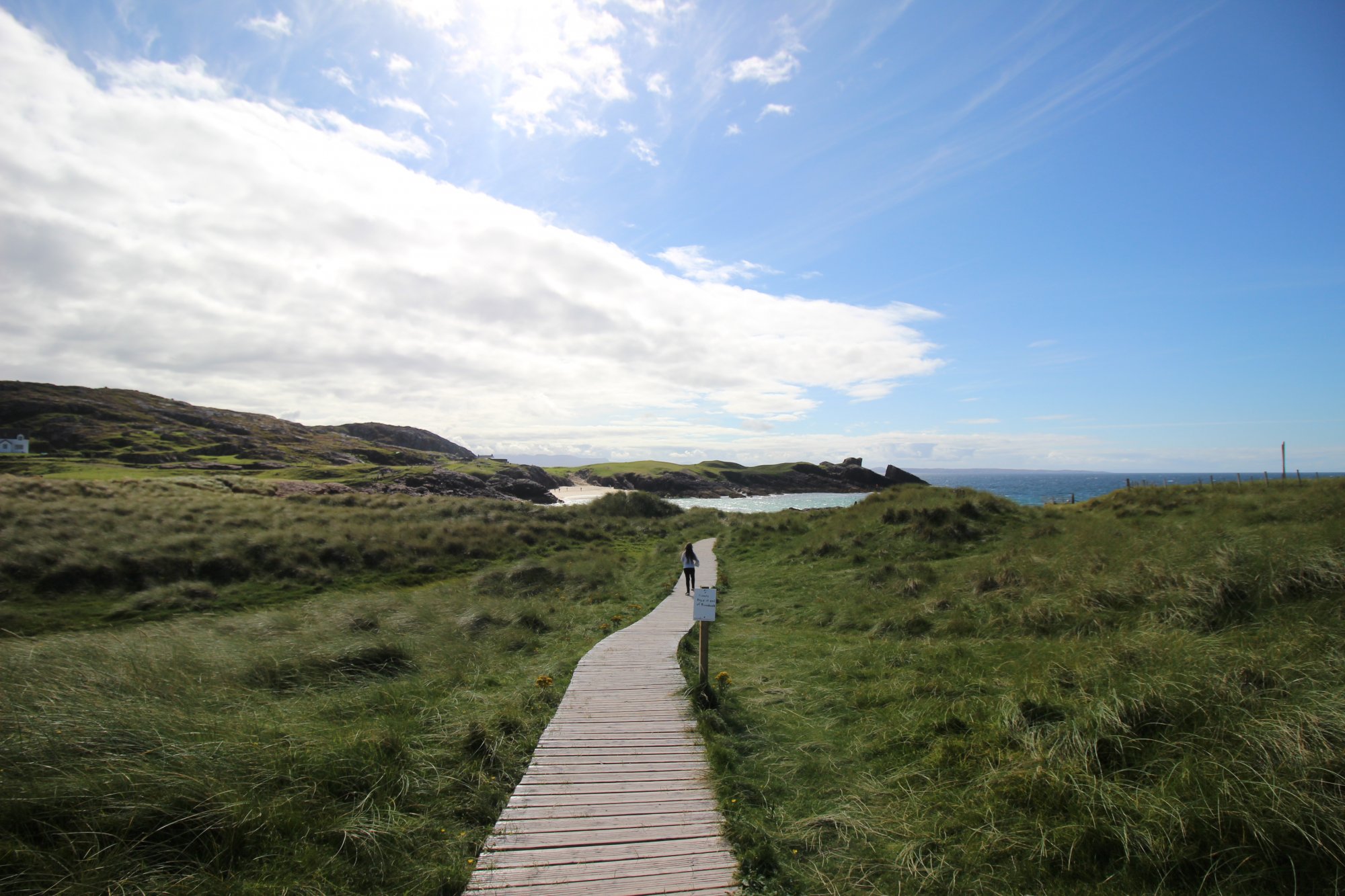
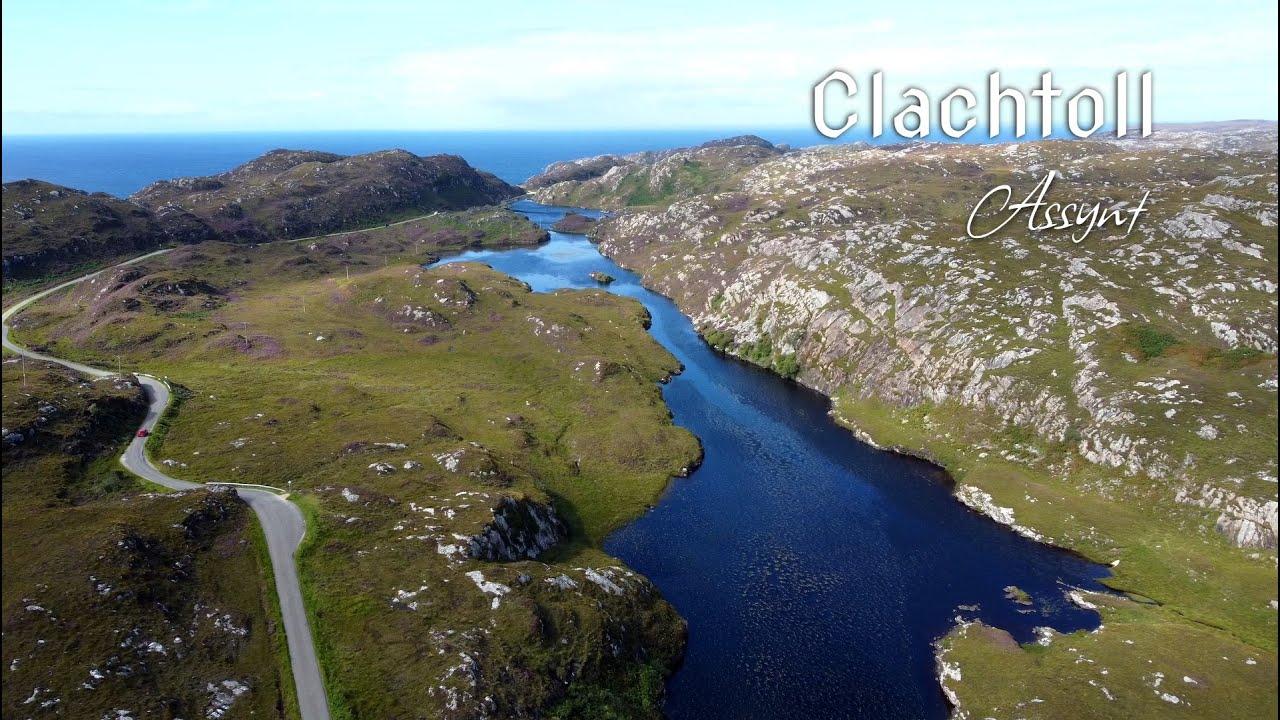
The area surrounding Clachtoll Beach is widely considered by those who explore the far north-west to be one of the most visually arresting parts of Scotland. Nestled within the ancient, deeply scoured terrain of Assynt along the iconic North Coast 500 (NC500) route, this unique landscape feels less like the British Isles and more like a magical, untamed land pulled straight from a fantasy world. It is a striking, surreal topography characterized by strange, knobbly Lewisian gneiss hills, secret little lochans covered in reeds, and crystalline rivers hidden deep between fractured rock crevices that plunge into waterfalls here and there. The approach road winding through this part of Sutherland is suitably magical—a narrow, single-track ribbon of asphalt that meanders intensely through the undulating terrain, offering drivers amazing panoramic viewpoints at one turn and heart-stopping, dangerous bends over vertical drops the next. When the road finally drops down to meet the rugged shore of the North Atlantic, visitors are greeted by the instantly recognizable, iconic triangular shape of the rocky stacks that guard the bay, heralding an entry into a truly unforgettable coastal sanctuary.
The Shoreline: Split Sands and Split Rock
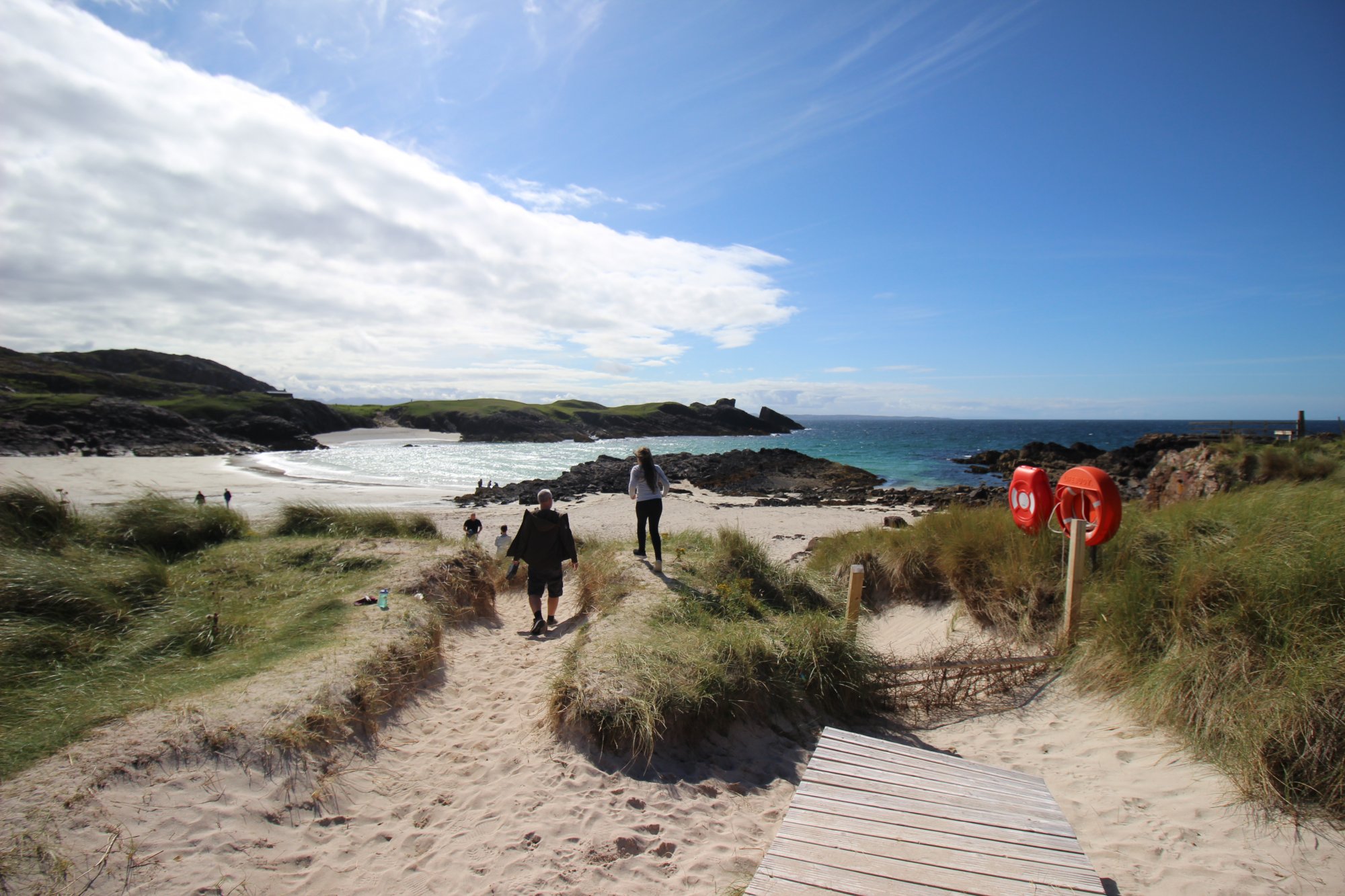
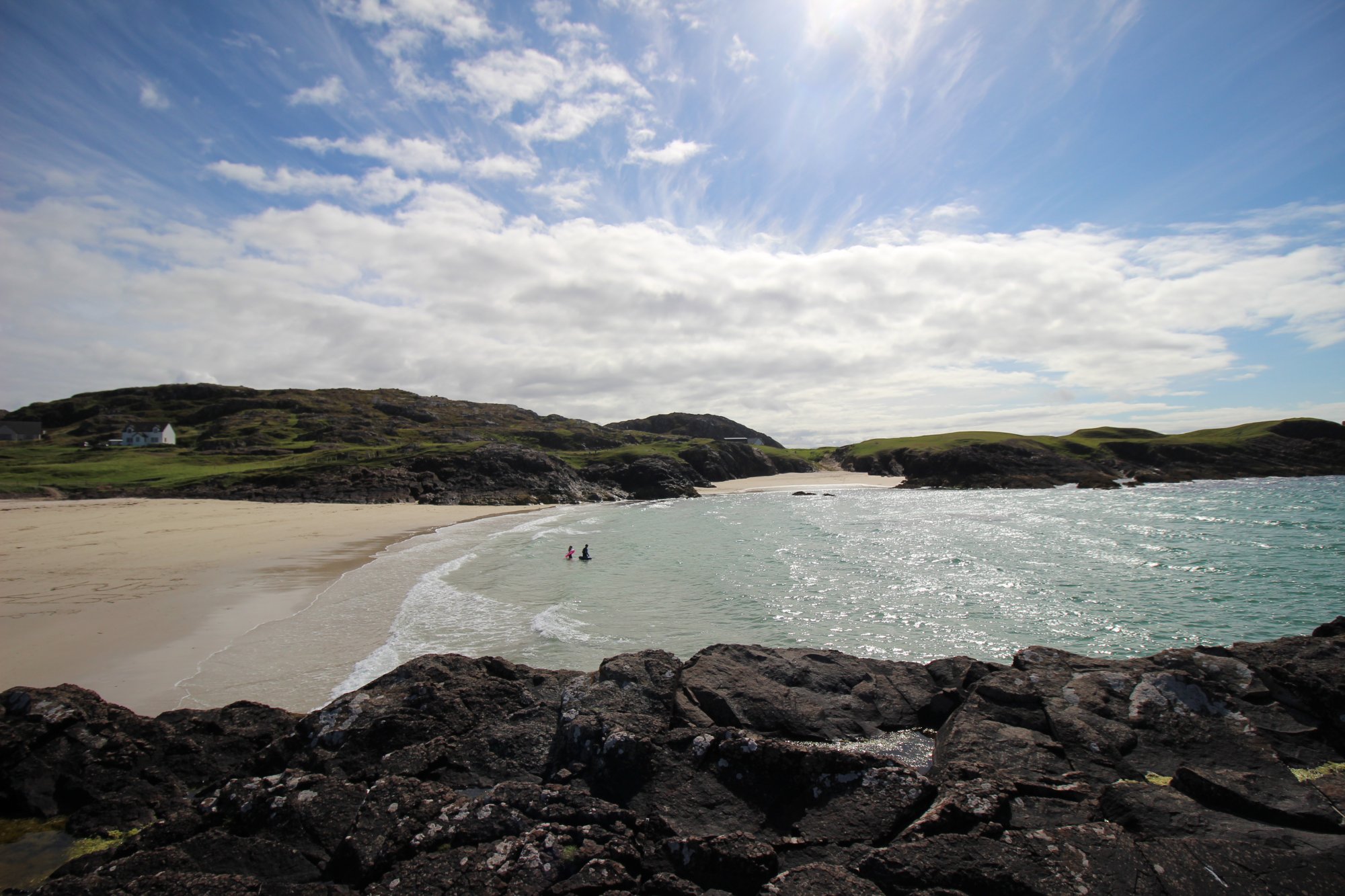
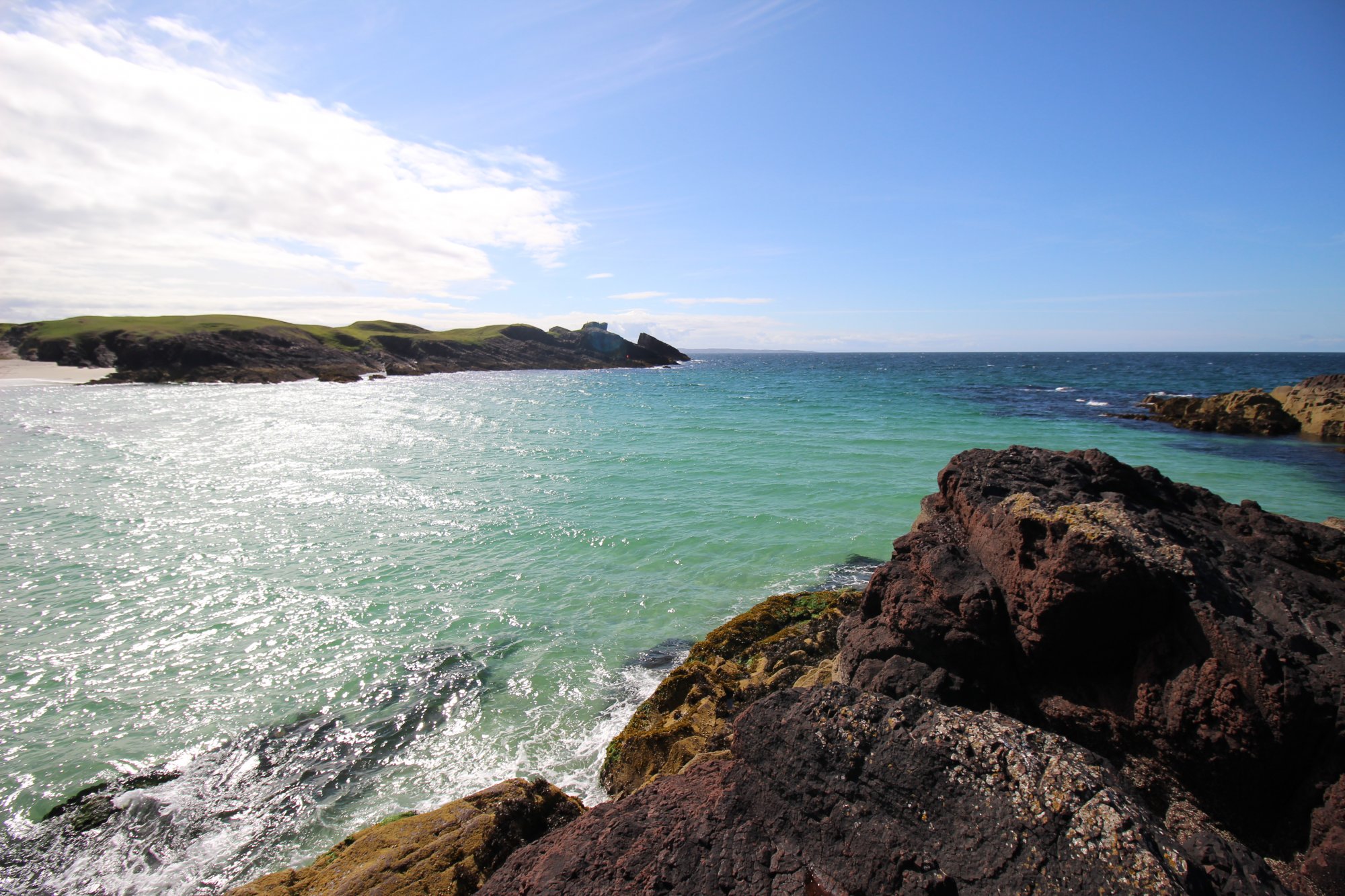
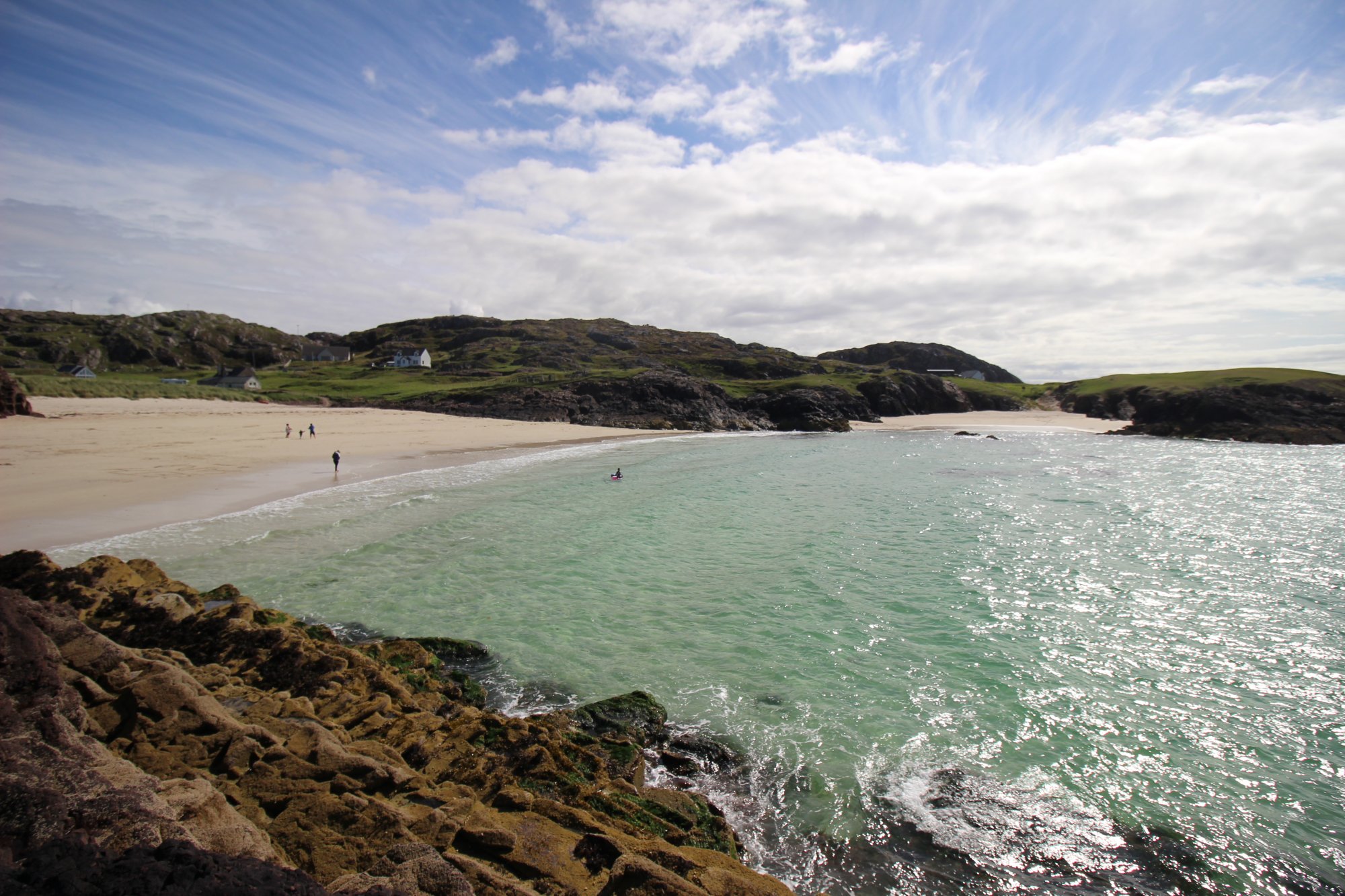
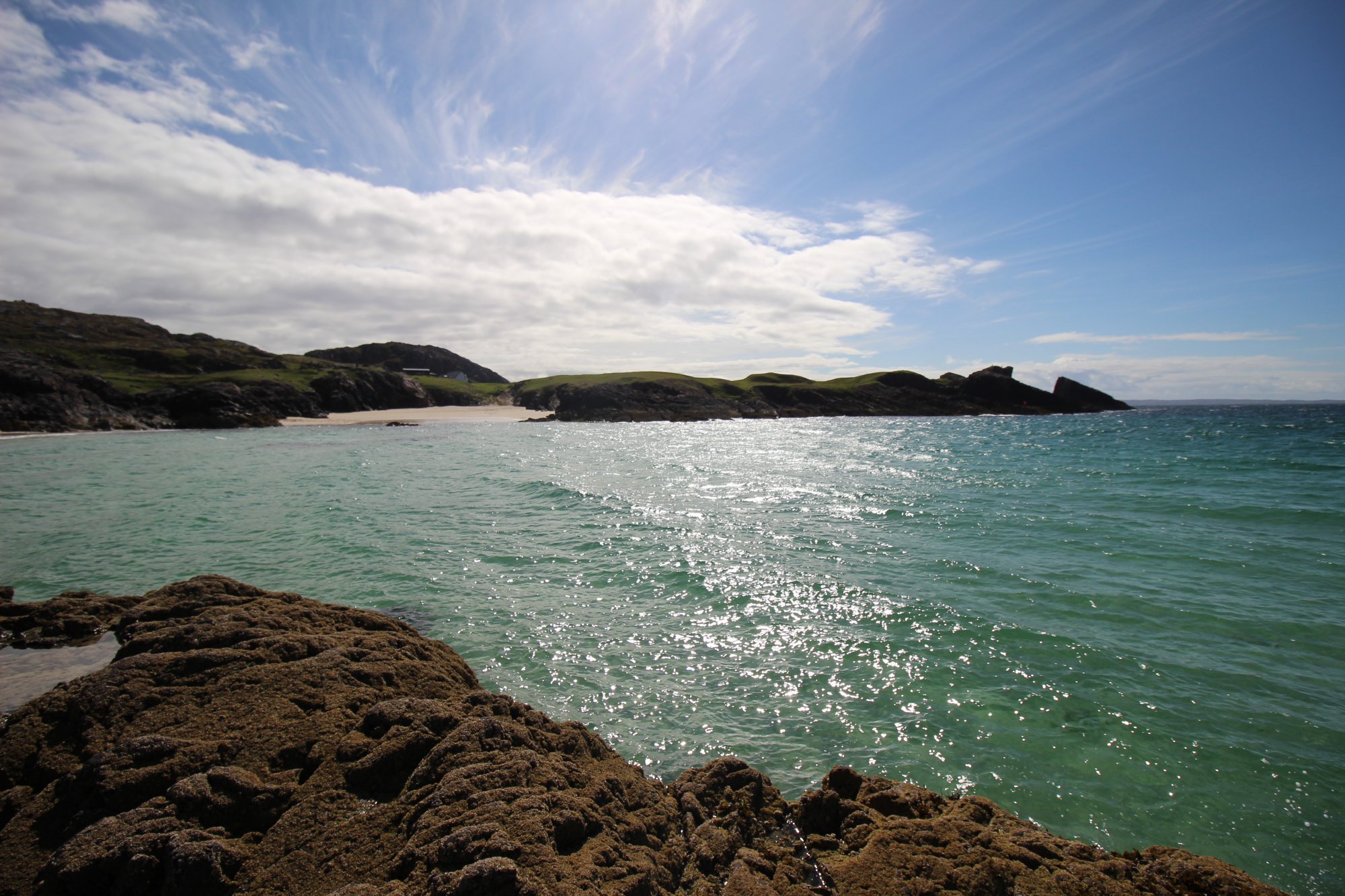
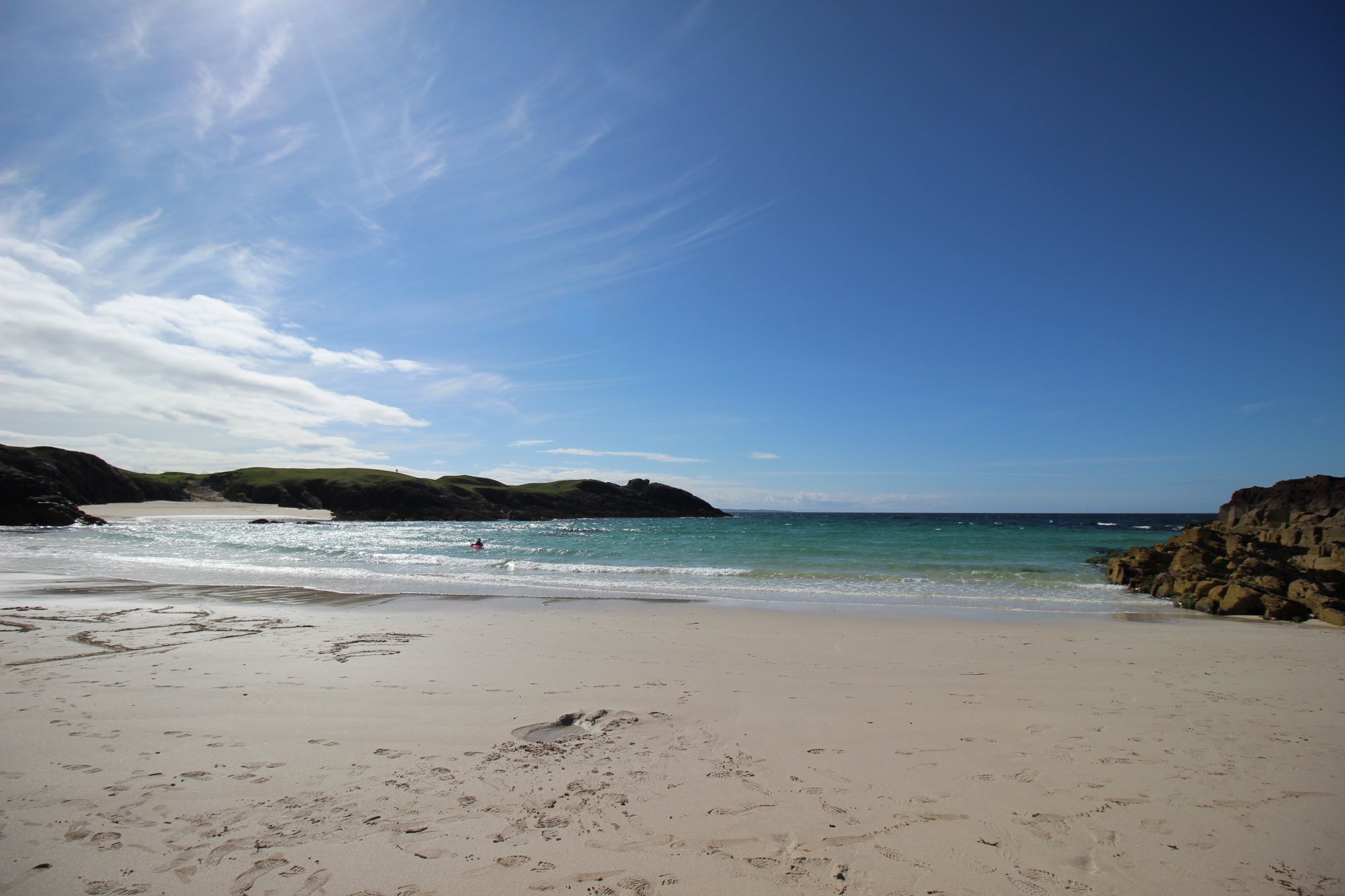
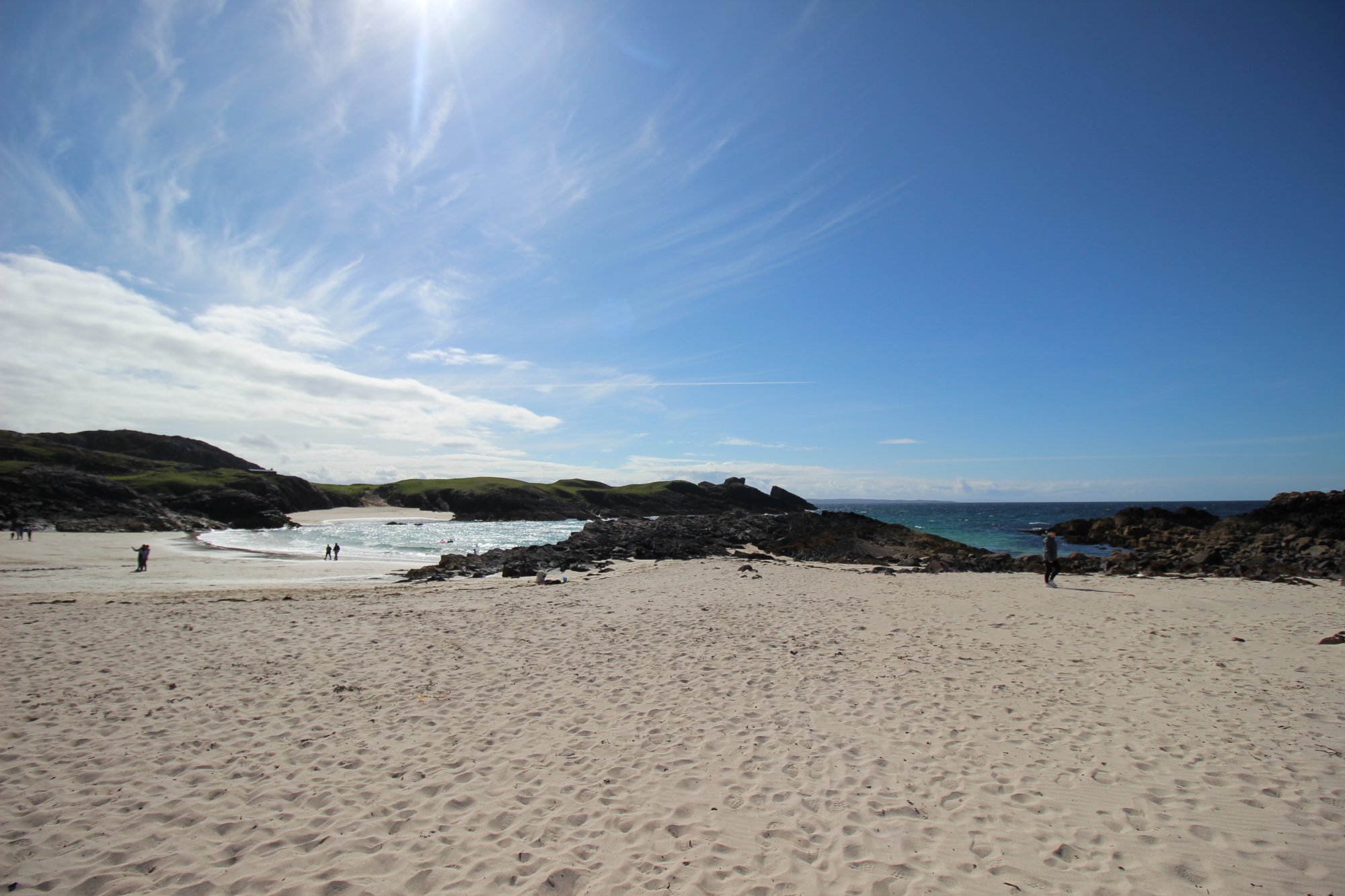
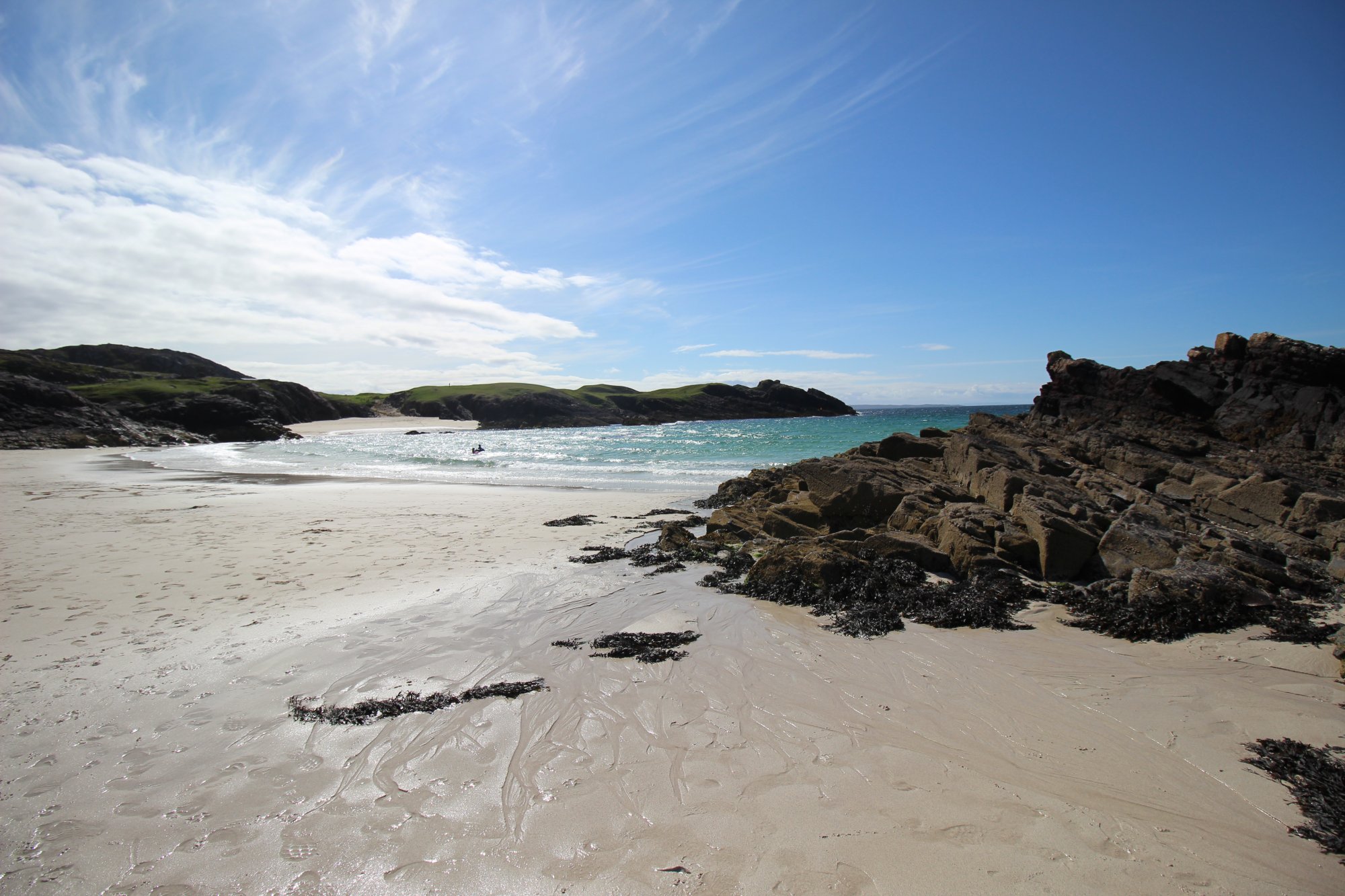
Clachtoll Beach itself is a magnificent, crescent-shaped stretch of fine white shell sand, beautifully divided into two distinct bays by a jagged rocky inset that extends into the surf. This natural split creates two unique aspects for beachgoers to explore, both of which offer incredibly sheltered waters compared to the wild, exposed headlands nearby. The defining geological feature of the bay is the famous **Split Rock** (An Clach Toll), a towering, sea-shattered sandstone archway and stack that has stood against the fury of the Atlantic for millennia. At low tide, the receding waters reveal vast rock pools brimming with marine life and expand the fine white sand, offering a massive playground for walking and exploration. From the soft shoreline, looking inland offers a staggering juxtaposition of elements: the brilliant, almost tropical turquoise water in the foreground contrasts sharply with the dark, monumental mountains of Assynt rising in the far distance, creating one of the most photogenic coastal vistas in the entire United Kingdom.
Ancient Footprints: The Clachtoll Broch
Beyond its raw, dramatic geological appeal, Clachtoll Beach is deeply intertwined with Scotland's ancient human history. Just a short, scenic walk along the low rocky coastline to the north of the main sand expanse lies the **Clachtoll Broch**. This spectacular Iron Age drystone structure, built roughly 2,000 years ago, was once a monumental tower belonging to a powerful local family or community. Exciting recent archaeological excavations have revealed that the broch suffered a sudden, catastrophic fire in the first century AD, causing the massive stone walls to collapse inward and effectively creating a time capsule. Archaeologists discovered beautifully preserved household items, ancient grains, and personal ornaments trapped beneath the rubble. Today, the partially restored site offers a hauntingly beautiful, low-impact interpretive experience where visitors can stand within the thick stone walls, look out across the same Atlantic waters that the Iron Age builders gazed upon, and absorb the profound layers of history that saturate this wild coast.
Staying at Clachtoll: 2026 Camping and Amenity Guide
For travelers who wish to base themselves in the heart of this fantasy-like landscape, the highly popular **Clachtoll Beach Campsite** sits directly adjacent to the dunes, offering unparalleled access to the sand and surf. As of 2026, the campsite operates under fully modernized facilities designed to balance high demand with strict environmental conservation of the surrounding machair and fragile dune systems. A standard pitch for a motorhome, campervan, or tent (including two adults) is priced at approximately £24 per night, with fully serviced pitches featuring electric hookups costing slightly more. Booking well in advance for the 2026 season is highly recommended, as the site intentionally limits total capacity to prevent overcrowding and protect the local wilderness. For day visitors, a dedicated, eco-conscious car park managed by the local Highland Council ranger service provides easy access to the beach, complete with a well-maintained public toilet block, outdoor rinse showers for wild swimmers, and an informative visitor cabin detailing the local geology and marine life.
The Assynt Panorama: Guarded by Suilven
What truly sets Clachtoll Beach apart from other northern coastal destinations is its breathtaking panoramic backdrop. Looking southeast from the white sands, the horizon is dominated by the wild, isolated peaks of the Assynt mountain range, most notably the distinct, unmistakable silhouette of **Suilven** (Ben Suilven). Rising like a massive, sleeping prehistoric beast or a stranded stone battleship from the watery peatlands below, Suilven’s iconic, steeply ridged shape provides a dramatic, moody focal point that changes character constantly with the shifting Highland weather. On clear days, the mountain stands sharp and purple against a blue sky, while misty afternoons wrap the peak in low-hanging clouds, enhancing the mystical, otherworldly atmosphere of the beach. For hikers, photographers, and nature lovers, this view represents the ultimate expression of the Scottish wilderness—where the absolute edge of the ocean meets the most ancient, isolated mountains in Europe.
Practical Tips for Adventurers and Explorers
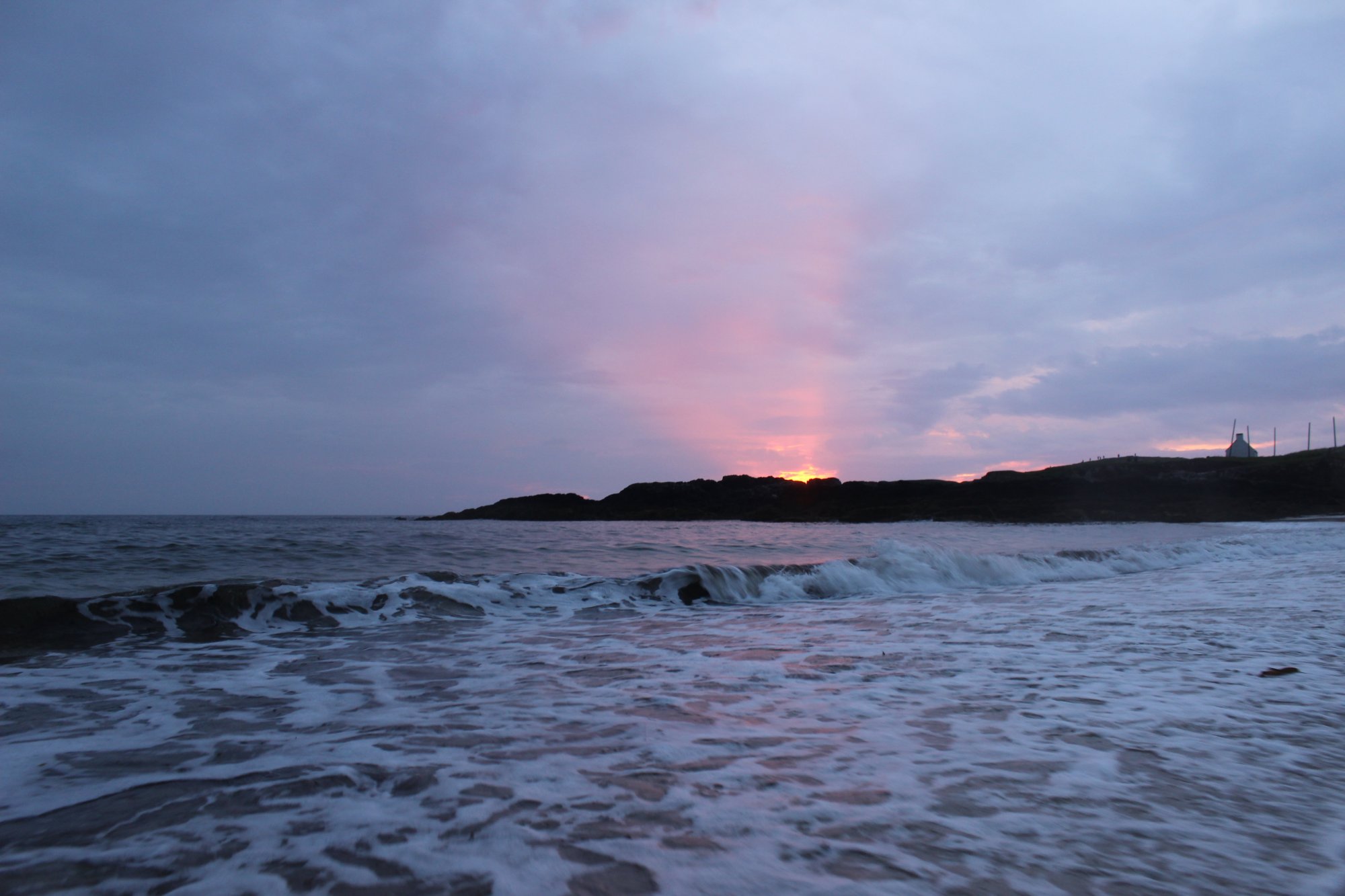
To fully enjoy a visit to Clachtoll Beach, a small amount of preparation is essential due to its remote, rugged geography. The single-track access roads (such as the B869 loop from Lochinver) require patience, careful use of passing places, and a respectful driving attitude toward local residents and agricultural vehicles. Swimming in the bay is highly popular due to the clarity of the water, but visitors must remember that the North Atlantic remains cold year-round; high-quality wetsuits are strongly recommended for extended periods in the water. For photographers, the optimal time to capture Clachtoll is during the late afternoon "Golden Hour" or sunset, when the fading light strikes the face of Split Rock and turns the white sands a soft, glowing pink, while Suilven casts long, dramatic shadows across the Assynt interior. Lastly, there are no large shops or supermarkets in the immediate vicinity, so stocking up on food, water, and fuel in the nearby fishing port of Lochinver before heading out to the beach is highly advised.
Conclusion: A Sanctuary Between Rock and Sea
Clachtoll Beach is a true masterpiece of the Scottish wilderness, seamlessly blending a surreal, fantasy-like landscape with rich ancient history and staggering coastal drama. It is a place where you can feel the immense power of the Atlantic, walk among the ruins of an Iron Age fortress, and gaze out at the ancient, lonely peaks of Assynt. Whether you are navigating the thrilling single-track roads, camping under the wild northern skies, or simply standing on the white sand watching the waves crash against the split rocks, Clachtoll leaves an indelible mark on the soul. It remains an unspoiled, magical sanctuary at the very edge of the world, where the boundaries between the real world and a mythic landscape seem to fade entirely.