


Calgary Beach: The Hebridean Paradise of the Isle of Mull
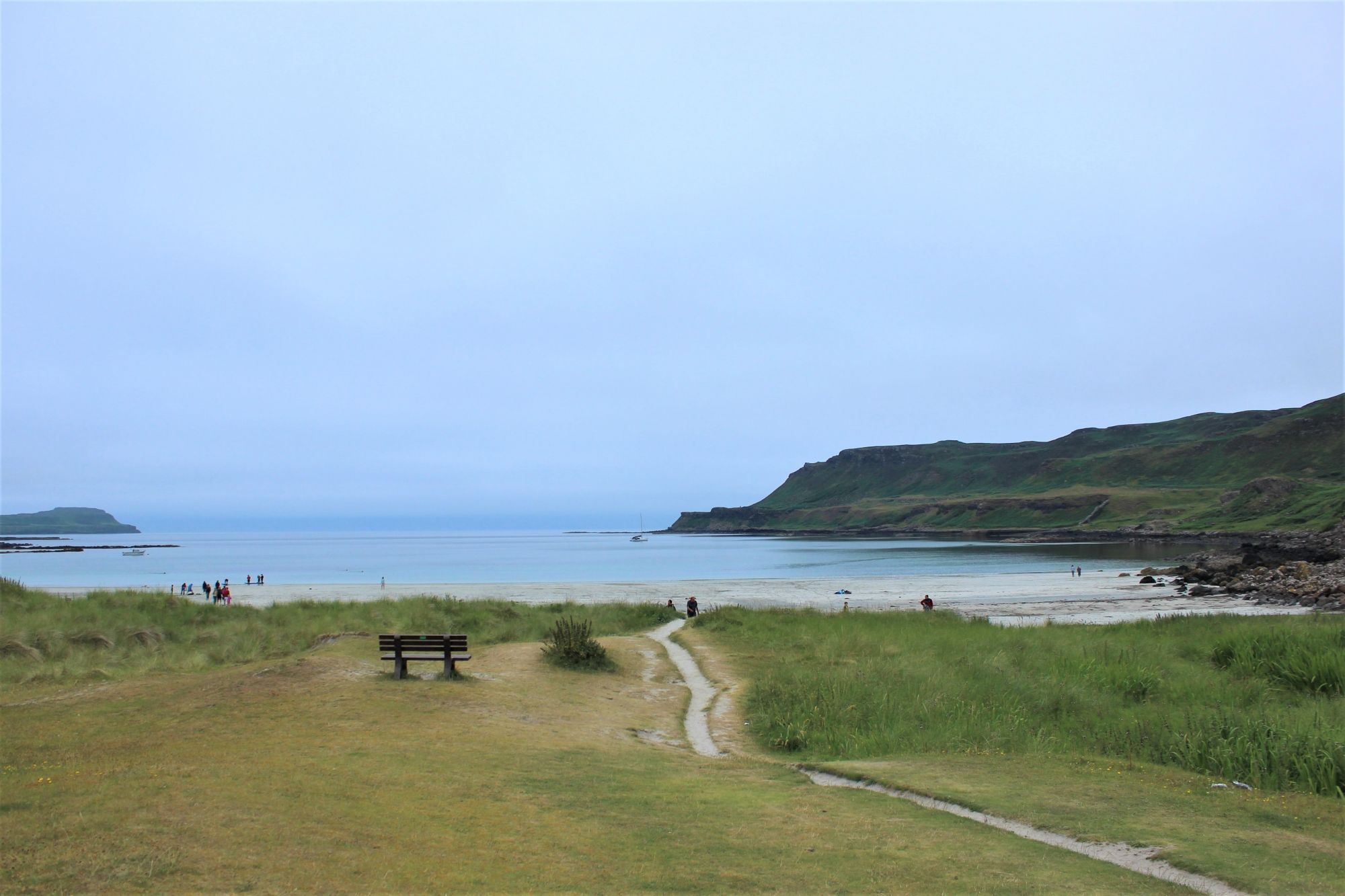
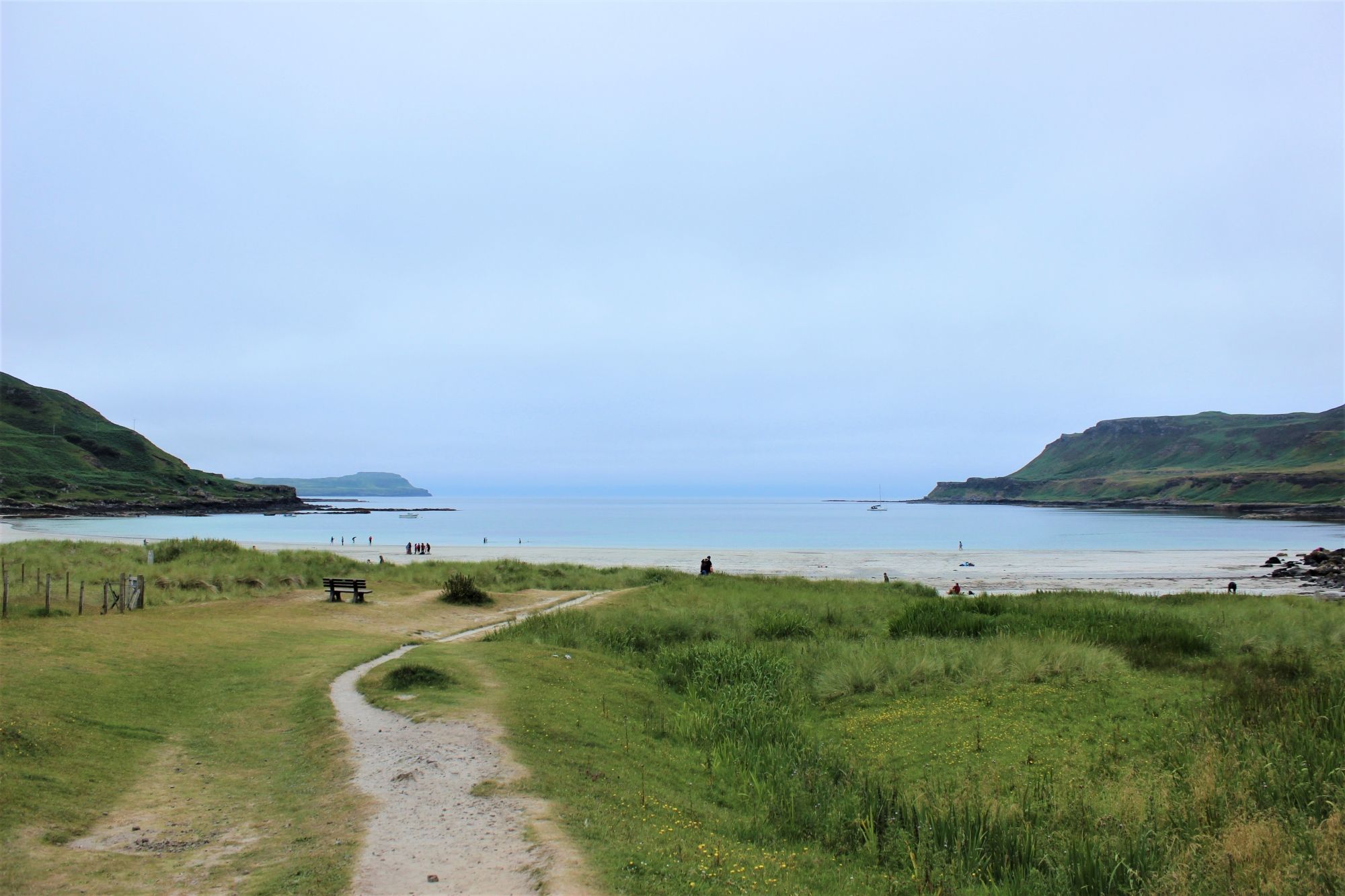
Situated on the northwestern coast of the Isle of Mull, Calgary Beach (Calgary Bay) is widely celebrated as one of Scotland's most breathtaking and iconic coastal landscapes. Framed by dramatic, steep hills and a protective sweeping bay, this spectacular expanse of pure white shell sand shelves gently into incredibly clear, turquoise waters that rival the Caribbean on a sunny day. The beach is bordered by a vast area of machair—uniquely fertile, low-lying coastal grassland that bursts into a vibrant carpet of wild orchids and flowers during the summer months. In 2026, it remains an absolute jewel of the Inner Hebrides, captivating campervan travelers, wild swimmers, and nature enthusiasts from across the globe.
From Highland Clearances to Global Namings
The peaceful, idyllic atmosphere of Calgary Bay today stands in stark contrast to its deeply poignant past. Nestled among the trees just beyond the sands are the crumbling, stone ruins of lower Calgary, an old township abandoned during the tragic Highland Clearances of the 19th century, when local crofters were forcibly evicted to make way for sheep farming. In 1873, Colonel James Macleod of the North-West Mounted Police visited Calgary House overlooking the bay; so deeply moved was he by its beauty that upon returning to Canada, he officially named a new military outpost after it. That fort eventually grew into the bustling modern metropolis of Calgary, Alberta, forever binding this quiet Hebridean shoreline to Canadian history.
Wildlife, Woodlands, and Contemporary Art
Calgary Bay is far more than a stunning strip of sand; it is a rich sanctuary for biodiversity and creative arts. The skies above the flanking headlands are frequently patrolled by magnificent white-tailed sea eagles, while otters can occasionally be spotted hunting along the rocky margins of the bay. Just a short stroll inland from the beach lies the unique Calgary Art in Nature trail. This winding, family-friendly woodland walk showcases an array of contemporary sculptures, wood carvings, and hidden installations cleverly woven into the native trees, leading visitors up toward a charming local café and gallery displaying the work of talented island artisans.
Practical Information and Responsible Camping
Reaching Calgary Beach requires a scenic drive along Mull's characteristic, winding single-track roads, located roughly 12 miles west of the island's main northern town of Tobermory. A well-maintained public car park is available directly adjacent to the beach, complete with public toilets. Calgary is also home to a popular, designated wild camping area on the machair for tents, alongside limited spaces for small campervans. Because of the bay's immense popularity and the incredibly fragile nature of the coastal ecosystem, visitors are urged to strictly adhere to the "Leave No Trace" principles, ensuring all waste is removed and fires are kept under strict control to preserve the pristine landscape.
Conclusion: A Hebridean Masterpiece
Calgary Beach perfectly encapsulates the raw, pristine magic of Scotland's west coast islands. Whether you are strolling along the water's edge listening to the gentle crunch of Atlantic shells beneath your boots, searching for eagles soaring above the crags, or exploring the quiet woodland art paths, it is a place of profound beauty. It stands as an enduring coastal sanctuary where history, creativity, and the power of the natural world meet seamlessly on the edge of Mull.