



Caerlaverock Castle: Scotland's Unique Triangular Fortress
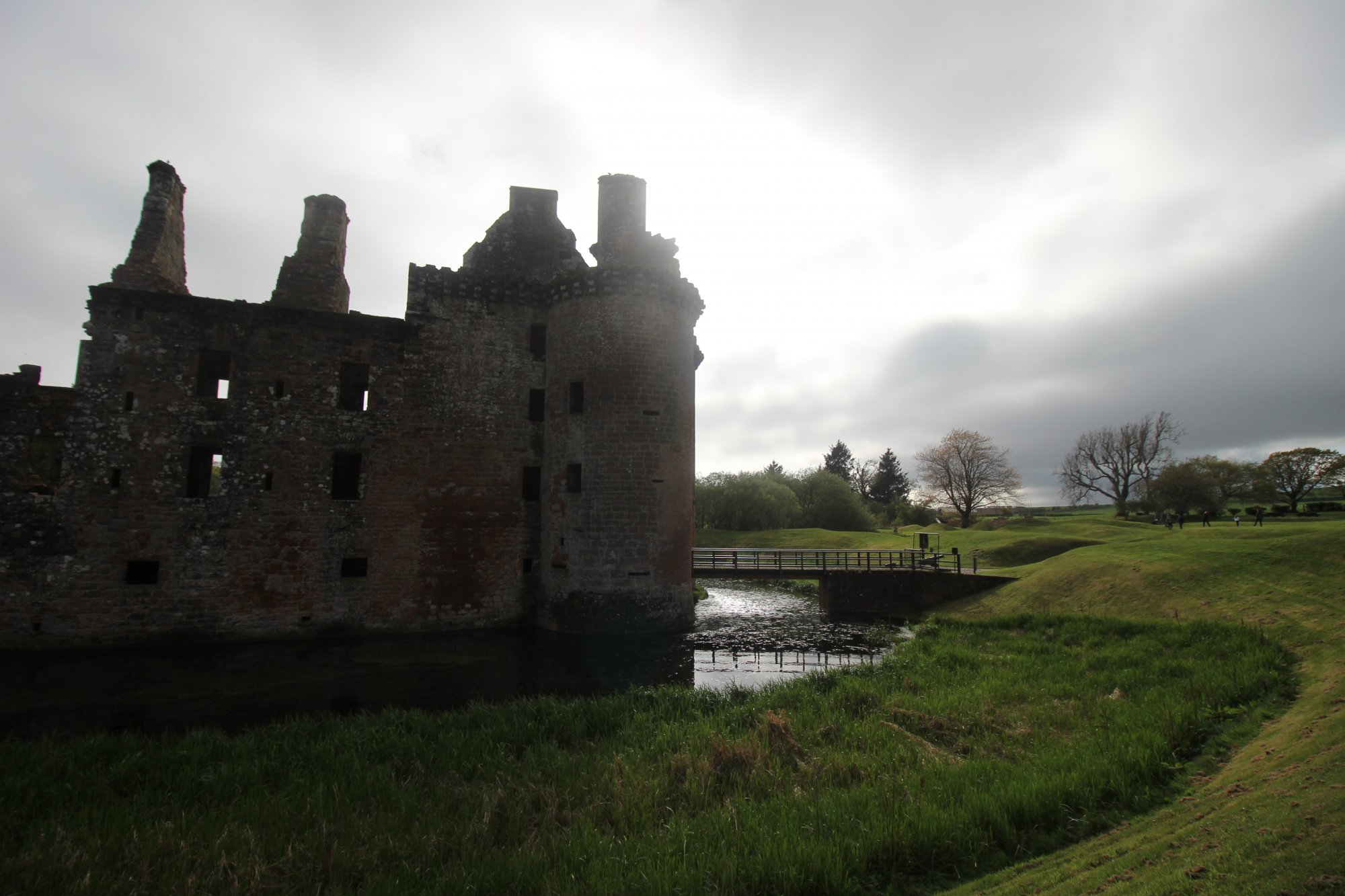
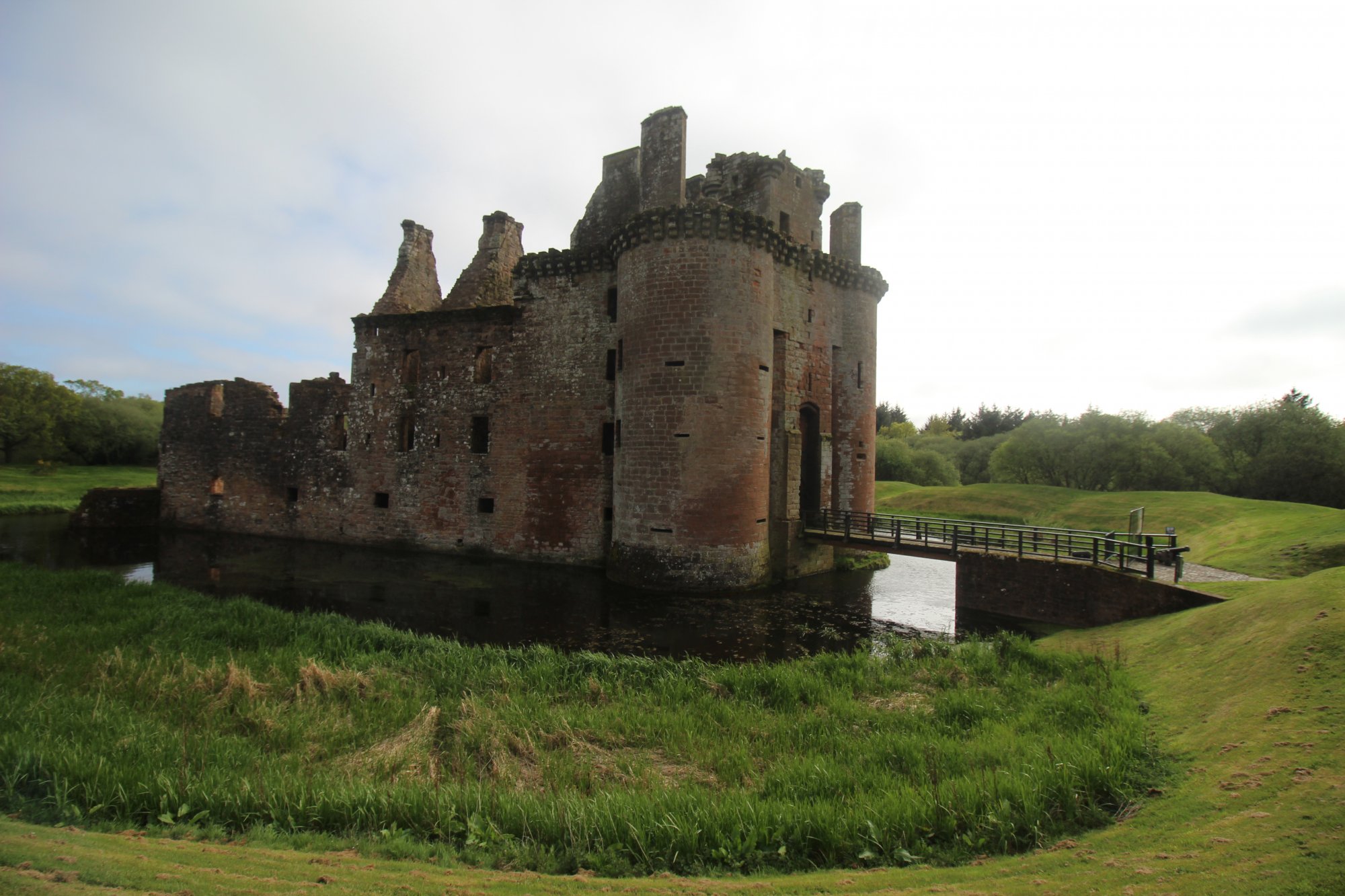
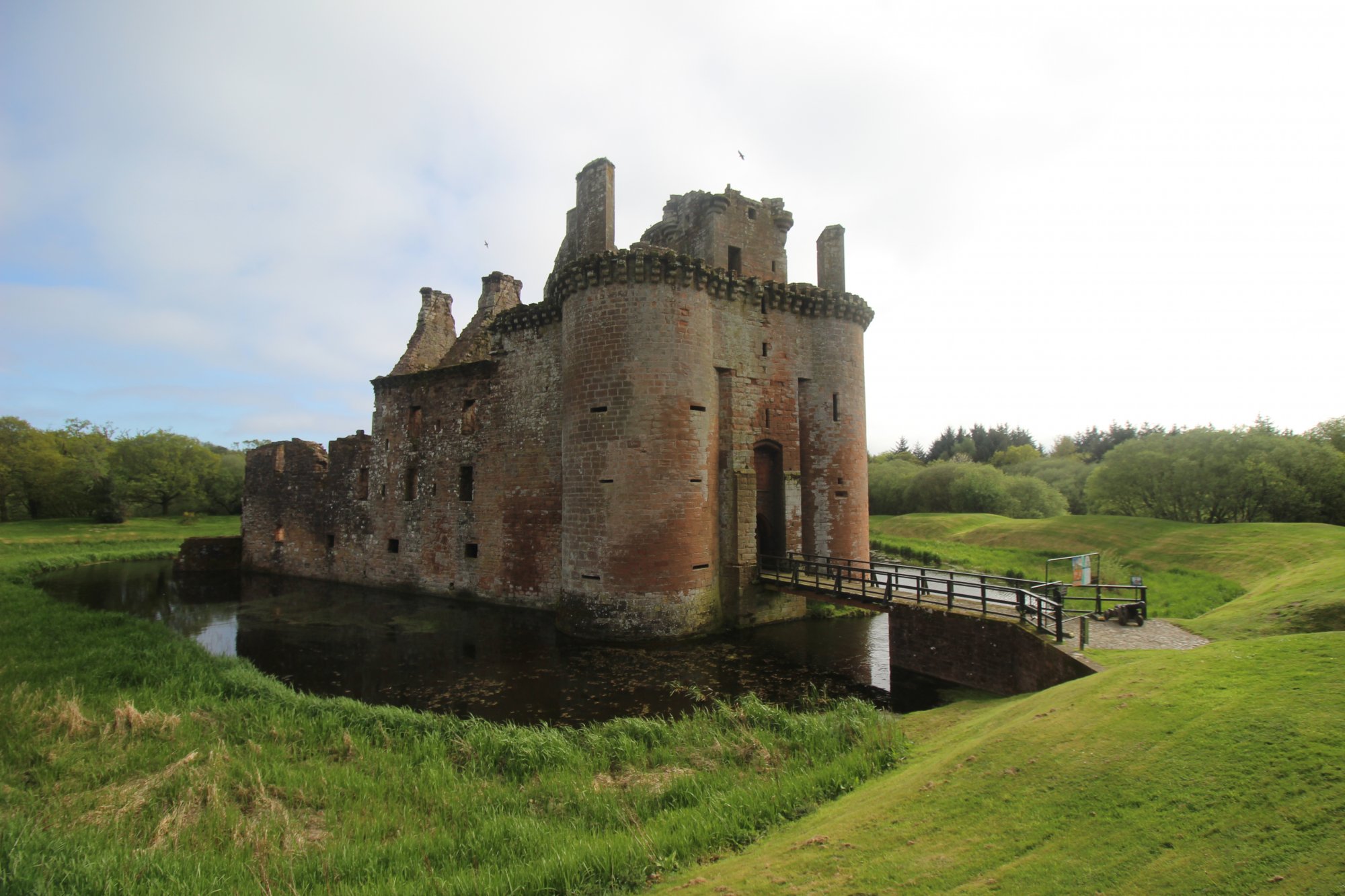
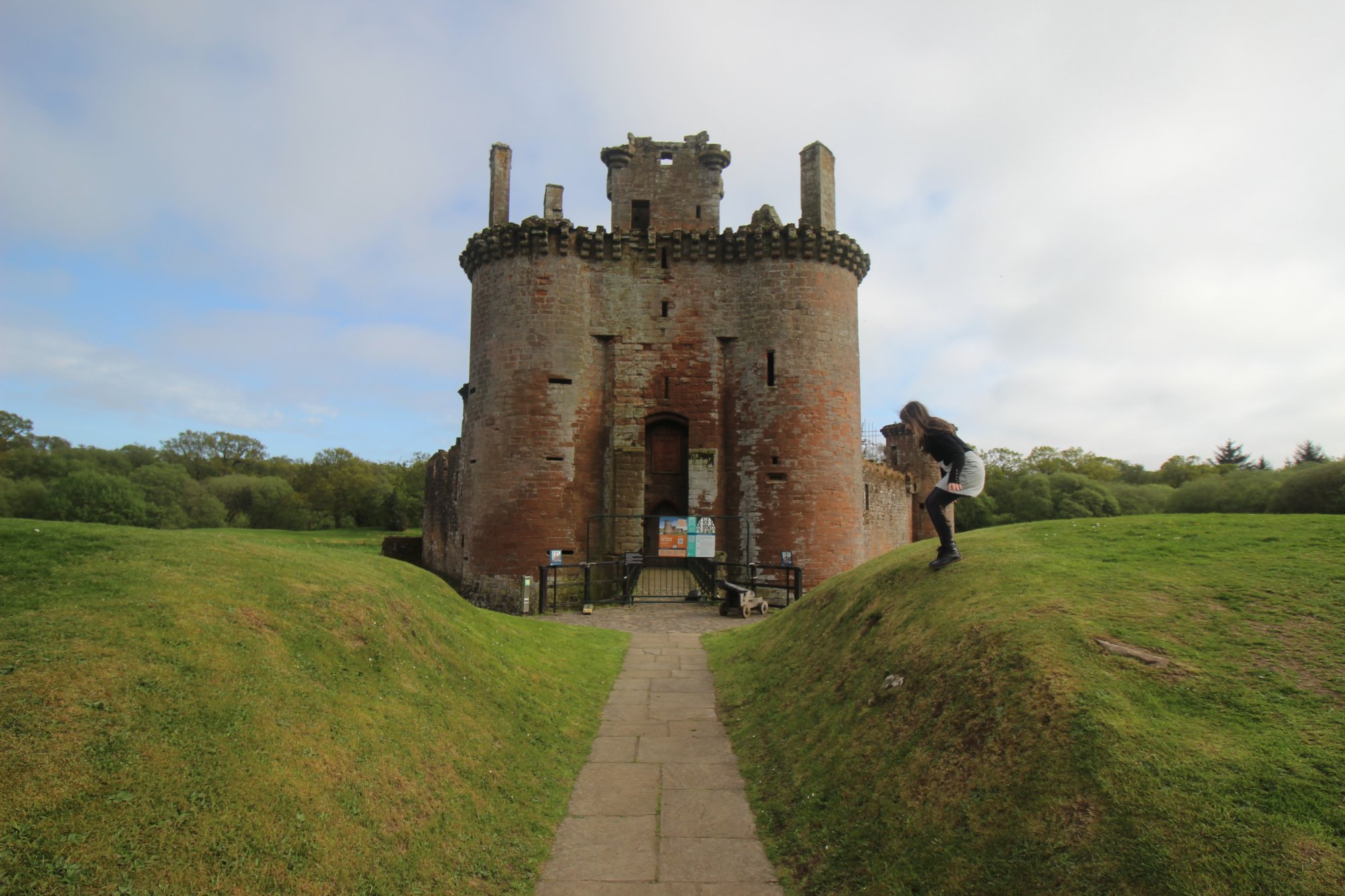
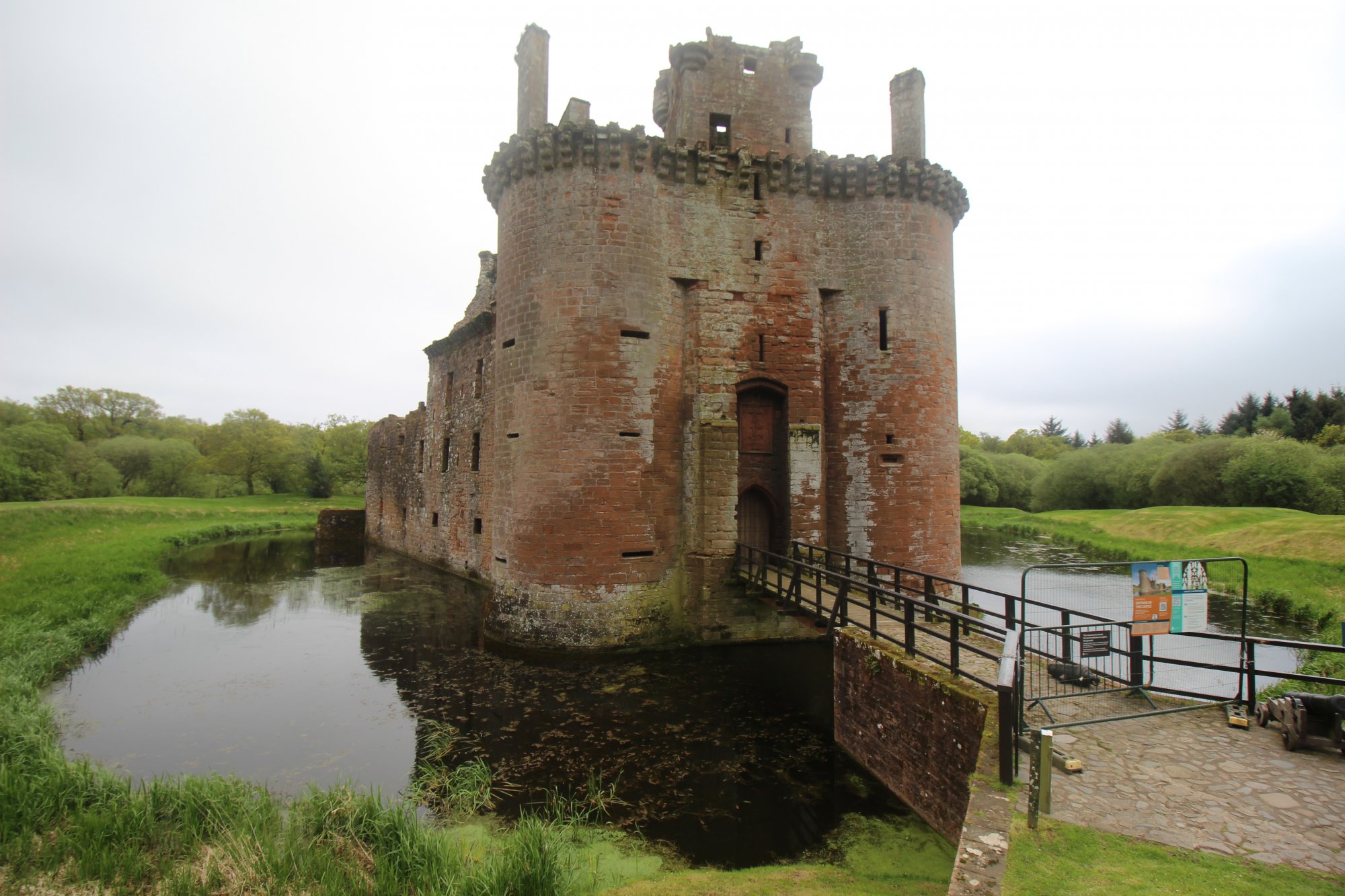
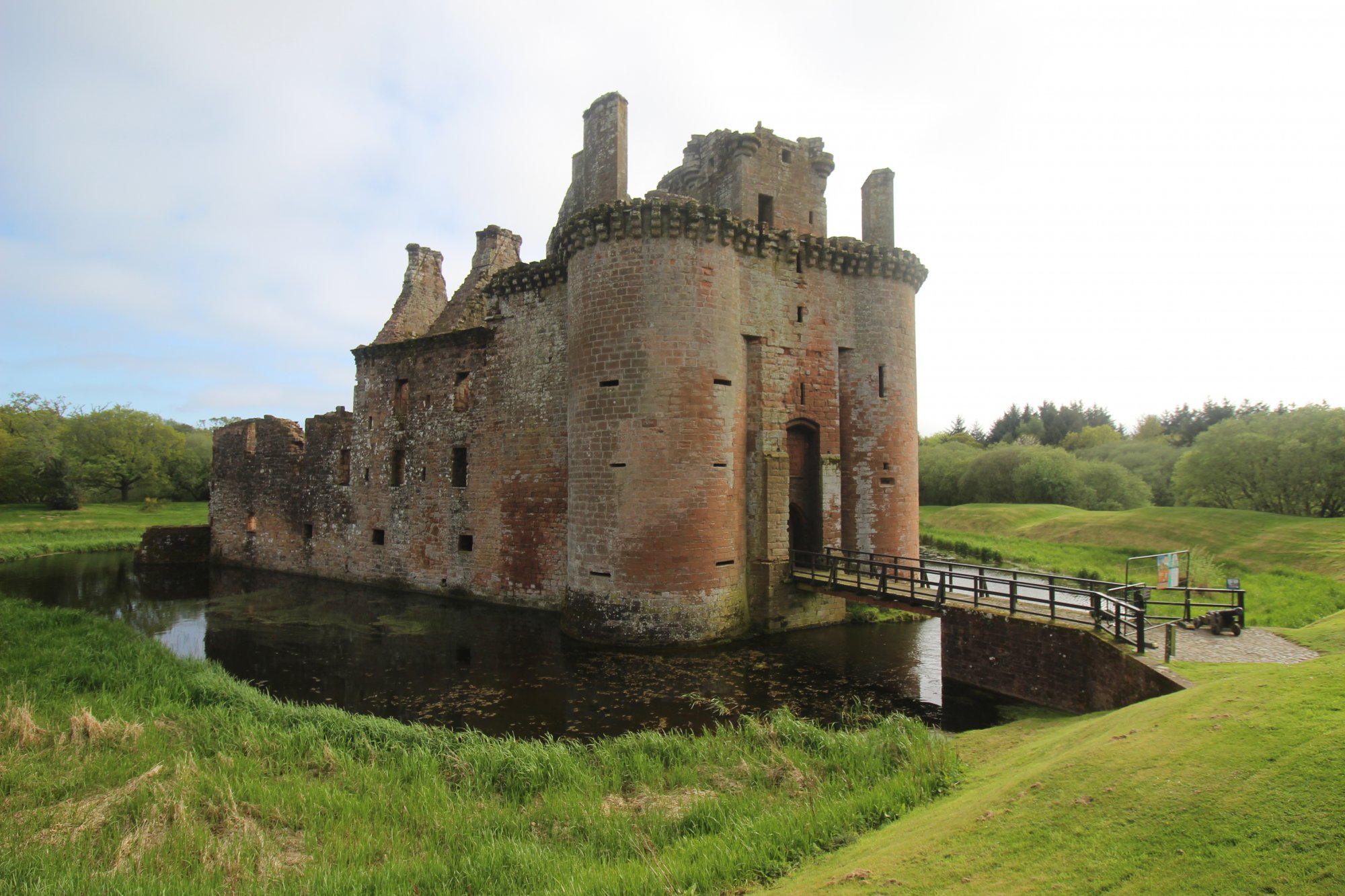
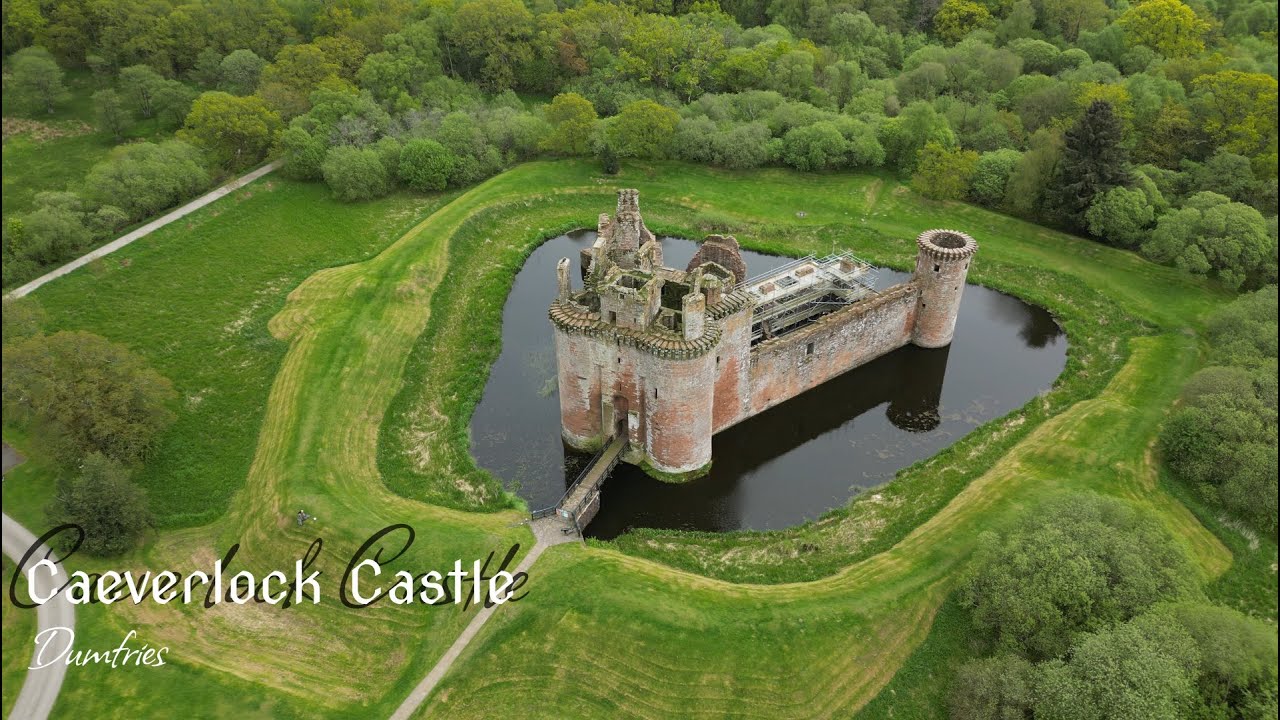
Caerlaverock Castle is one of the most remarkable and well-preserved medieval strongholds in Scotland. It is located near the town of Dumfries, on the southern coast of the country, where it occupies a strategic position overlooking the Solway Firth. The castle is world-renowned for its highly unusual, unique triangular layout, complete with a wide, water-filled moat, a formidable twin-towered gatehouse, and massive battlements. Built in the 13th century by the Maxwell family—who were immensely powerful lords in the region—it stands today as a masterpiece of medieval military architecture and a striking symbol of border history.
A Fortress Forged in the Border Wars
Positioned close to the turbulent frontier with England, Caerlaverock Castle witnessed several brutal sieges and bloody battles during the historic Wars of Scottish Independence. Its defensive design was put to the ultimate test in 1300 when King Edward I of England marched north with a massive army, successfully breaching the walls after a fierce assault. The castle changed hands multiple times between the Scots and the English over the centuries. Inside the defensive curtain wall, the Maxwells later adapted to changing times by constructing the beautiful Nithsdale Lodging in the 1630s, featuring ornate Renaissance carvings. However, its military purpose came to a definitive end during the Bishops' Wars in 1640; after a grueling thirteen-week siege, the castle surrendered and was intentionally dismantled and partly destroyed by cannon fire, leading to its eventual abandonment.
A Living Historic Monument
Today, the castle is a highly popular tourist attraction, a designated Scheduled Monument, and a treasured piece of national heritage managed by Historic Environment Scotland. The surrounding nature reserve adds to its dramatic atmosphere, providing a haven for wildlife, including thousands of wintering barnacle geese. In normal times, the site serves as a vibrant cultural hub, hosting spectacular historical reenactments, medieval fairs, and thrilling jousting tournaments that bring the rich, colorful history of the Maxwell clan and the Scottish borders vividly back to life for visitors of all ages.
Current Conservation Works and Site Access
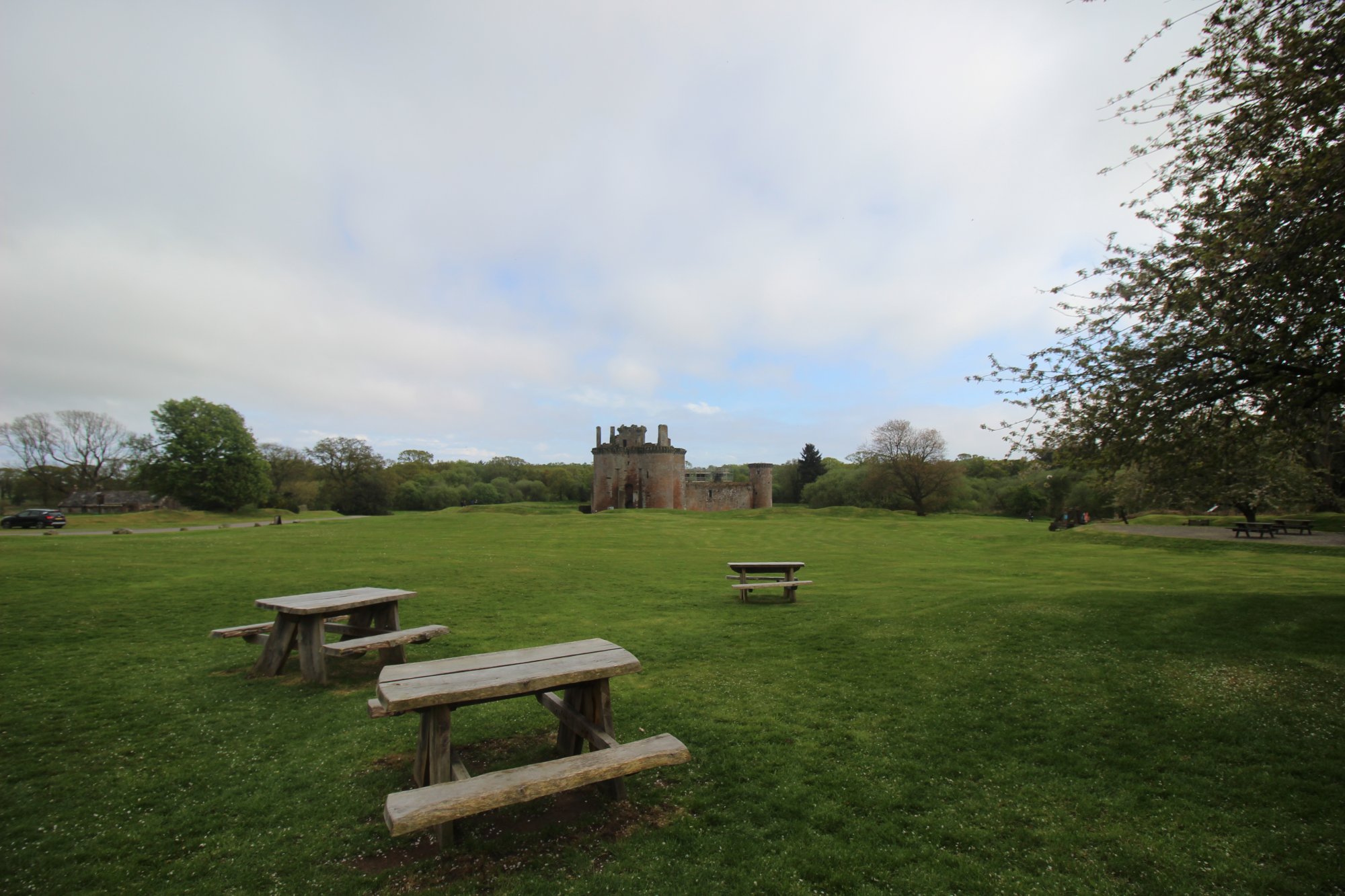
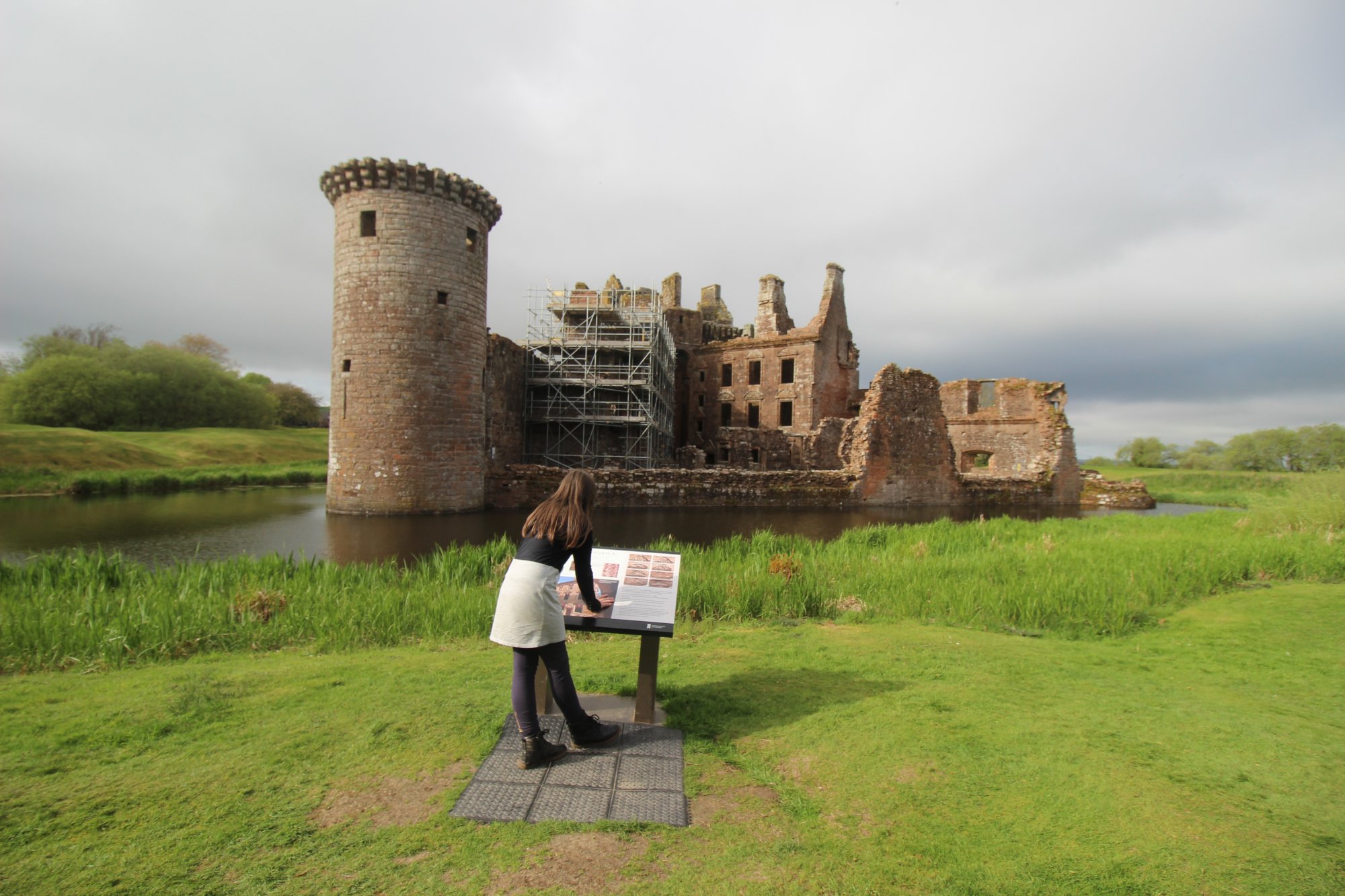
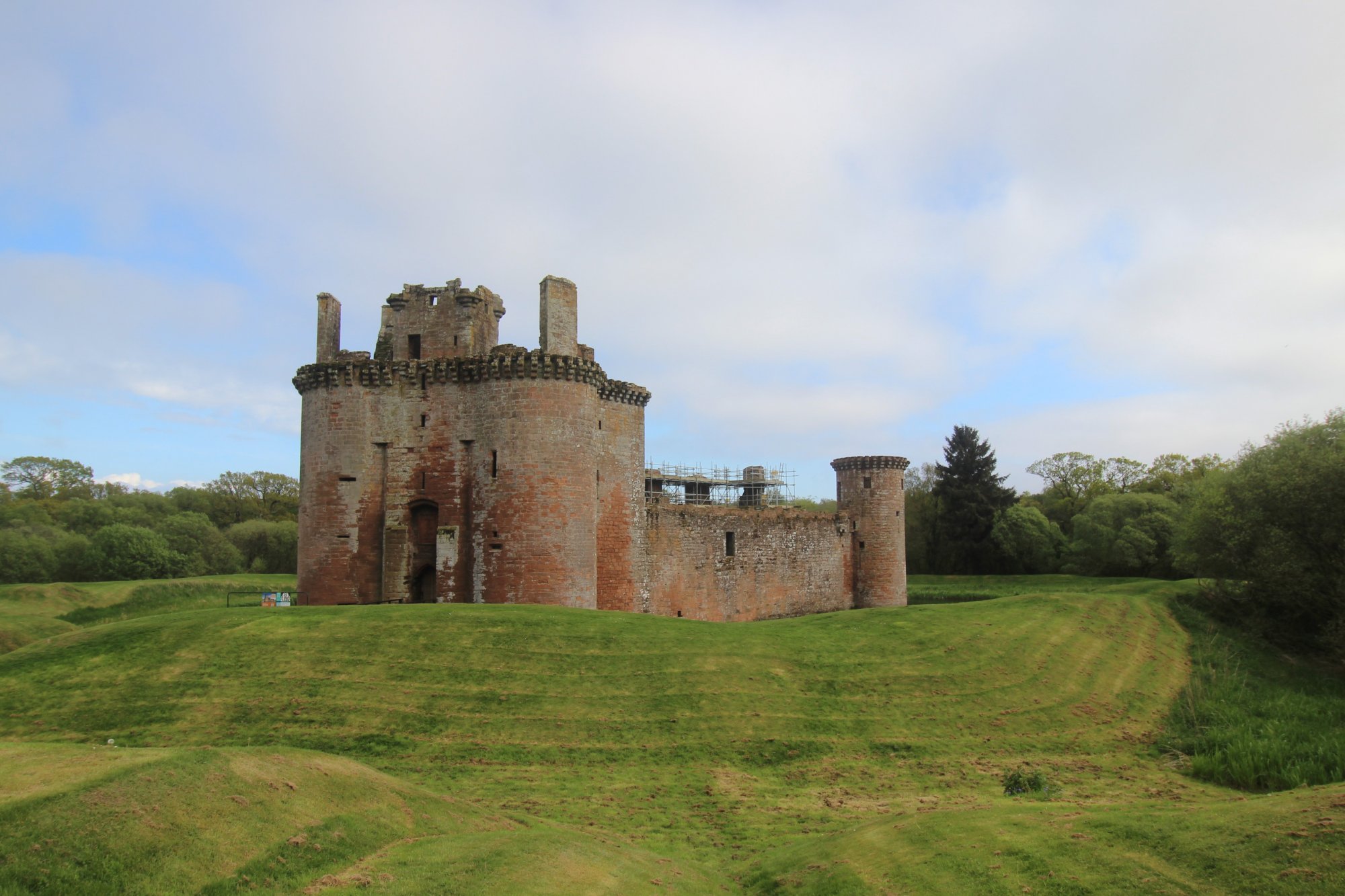
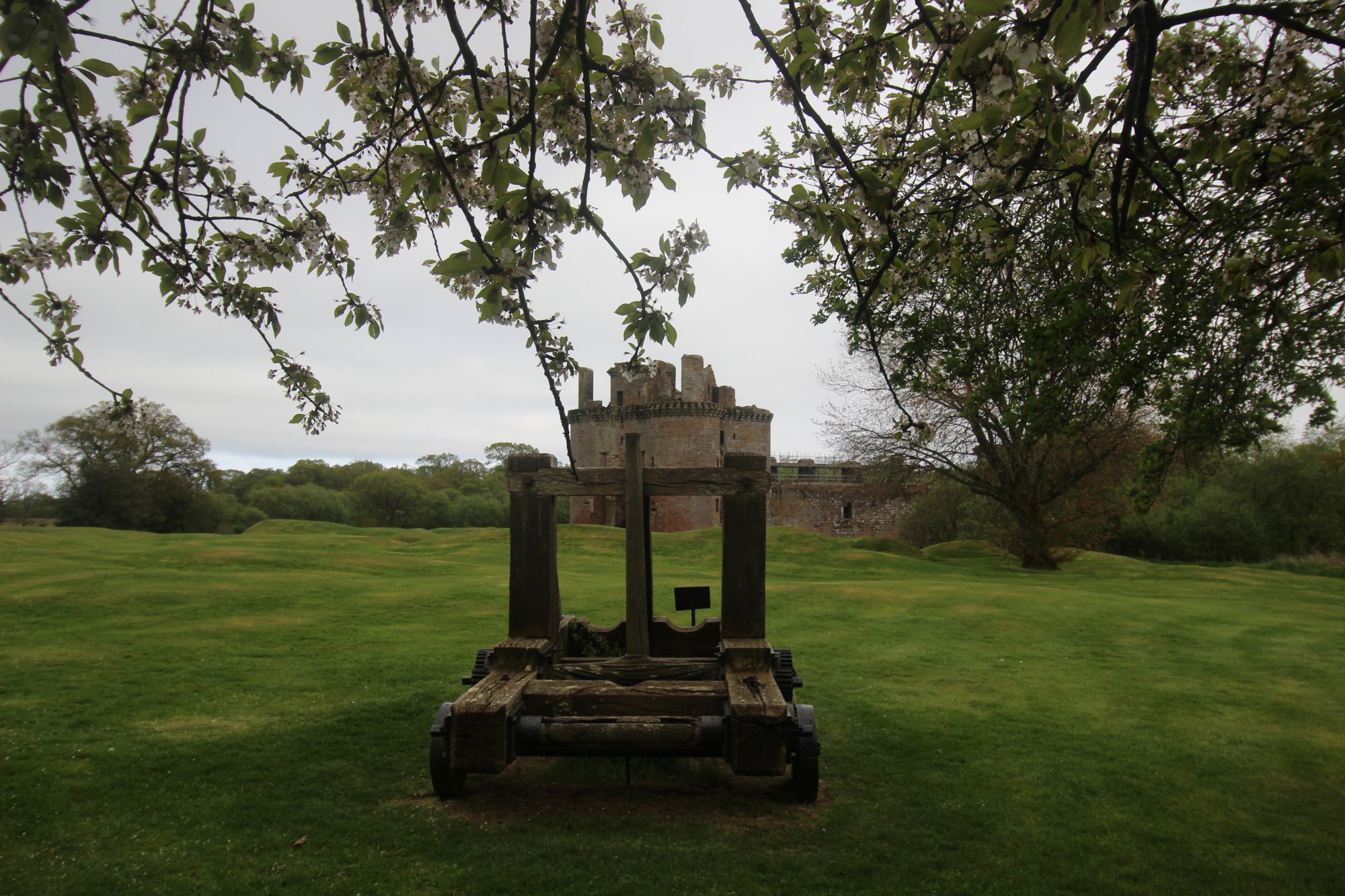
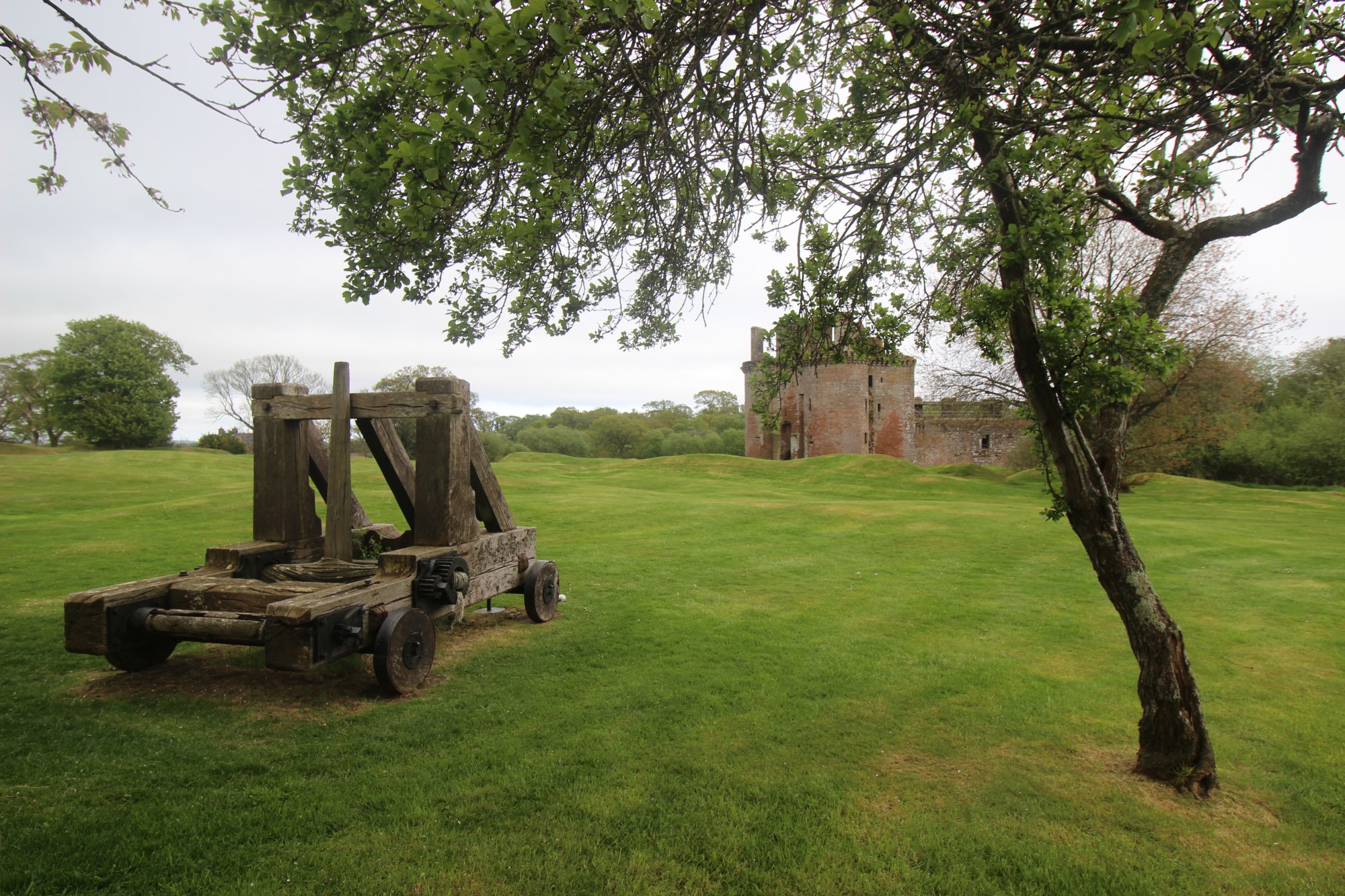
If you are planning a visit in 2026, it is important to note that Caerlaverock Castle is currently undergoing essential conservation and masonry renovation works. Because of these structural safety assessments, the inner courtyard and the interior spaces are temporarily closed to the public. However, the journey to the site remains incredibly worthwhile; visitors are warmly welcome to explore the magnificent external grounds. A beautifully maintained path allows you to walk entirely around the perimeter of the spectacular water moat, offering unparalleled views of the towering twin-gated entrance, the imposing triangular walls, and the foundational ruins of the original, older 13th-century castle hidden within the nearby woods.
Conclusion: A Border Legend Endures
Caerlaverock Castle remains an absolute triumph of medieval engineering, captivating everyone who catches a glimpse of its red sandstone walls rising above the marshy wetlands. Even while its inner chambers rest under a period of vital restoration, the sheer scale and architectural genius of its exterior silhouette tell an unforgettable story of survival, power, and artistry on the edge of Scotland.