


Beinn Dubh: The Black Mountain of Luss
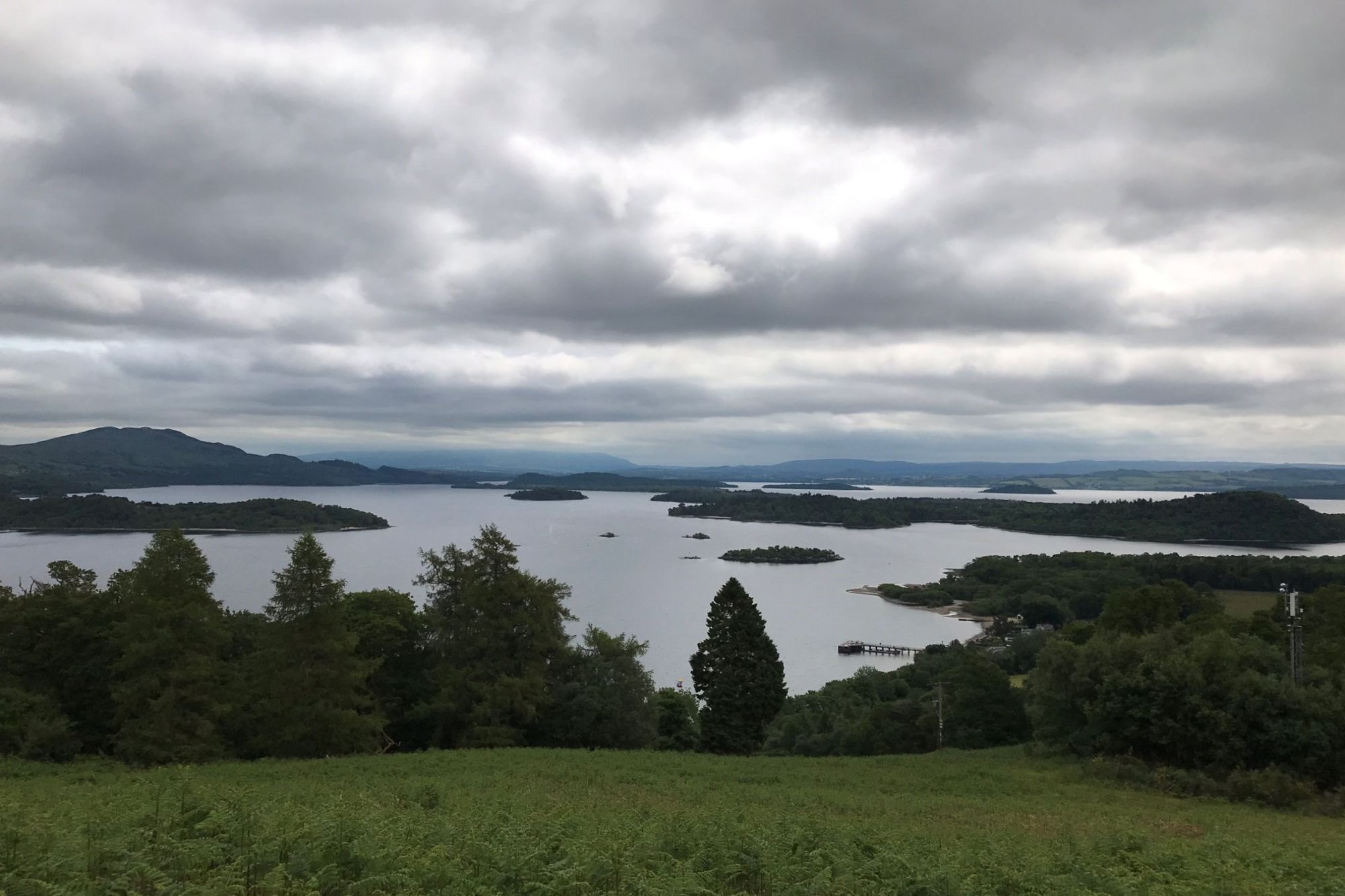
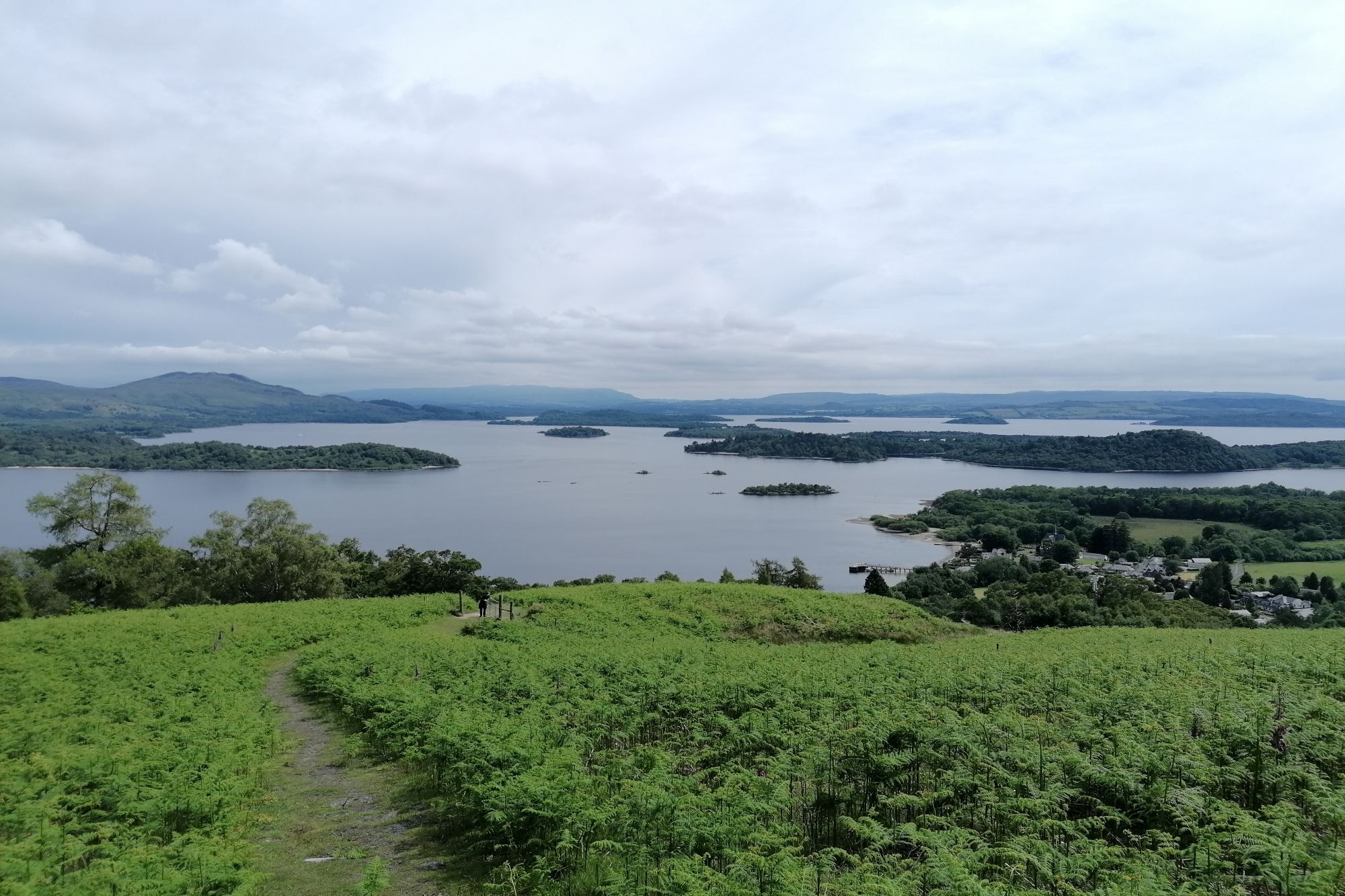
Rising directly above the picturesque "bonnie banks" of Loch Lomond, Beinn Dubh is the centerpiece of one of the most accessible and visually stunning hill walks in the Loch Lomond and The Trossachs National Park. Translated from Gaelic as the "Black Mountain"—a name derived from the dark, brooding hue of its heather-clad slopes in winter—this 657-meter (2,156-foot) hill offers a classic horseshoe ridge walk. While it may not reach the heights of the nearby Munros, its position on the western shore of the loch provides what many consider to be the definitive view of the Loch Lomond islands, stretching from the narrow northern waters toward the wider, island-dotted expanse to the south.
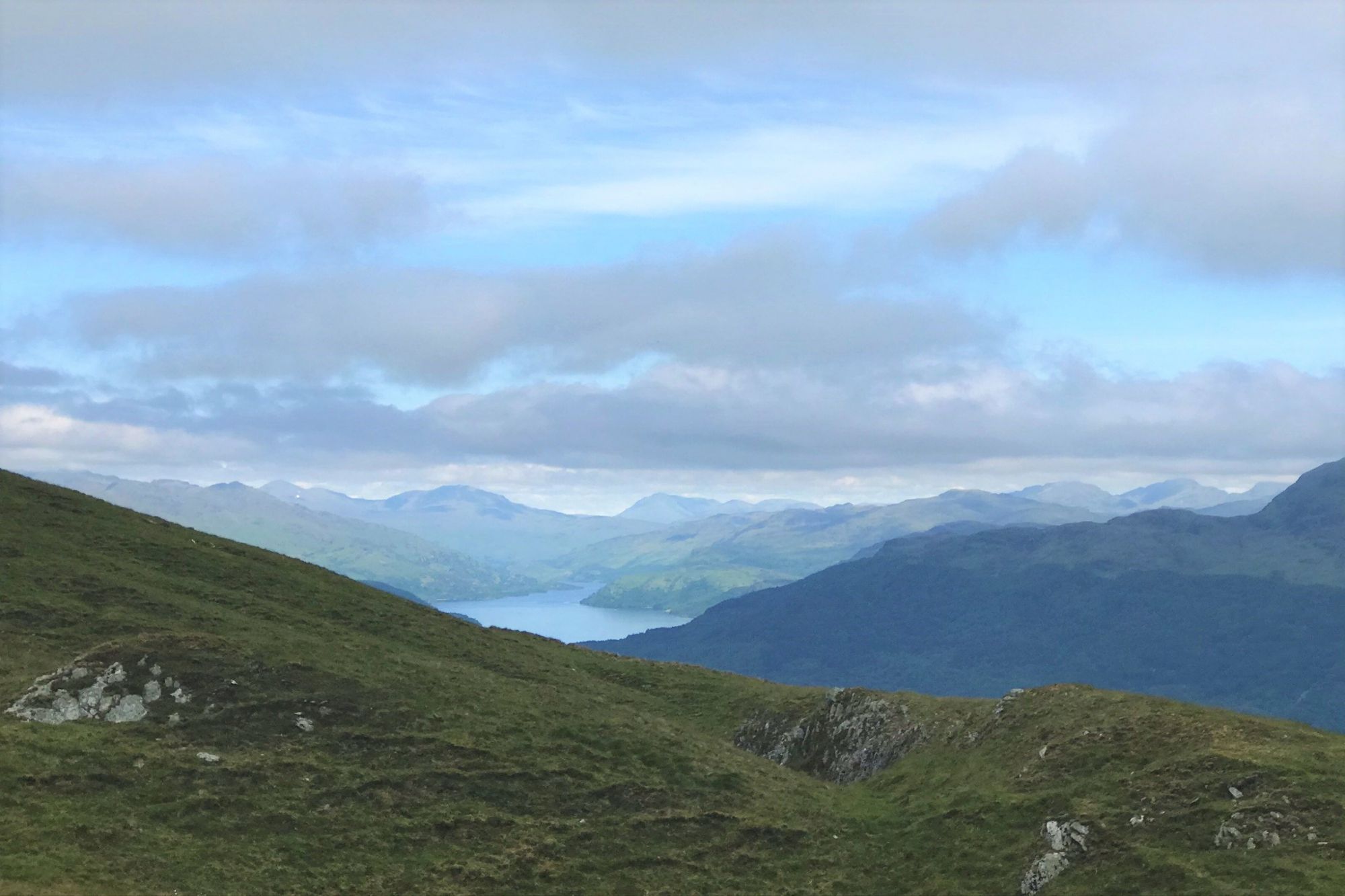
The mountain forms the eastern arm of the Glen Striddle horseshoe, a dramatic grassy ridge that encircles a deep, hidden valley. Unlike many Highland peaks that require a long trek through boggy glens, Beinn Dubh rises steeply and immediately from the village of Luss. This makes it a favorite for those seeking a "big mountain" feel with a relatively short approach. From the summit trig point, the landscape unfolds in a spectacular 360-degree theater: the jagged Arrochar Alps dominate the western horizon, the massive bulk of Ben Lomond stands guard to the east, and on a clear day in 2026, the distant cranes of the Clyde shipyards can be seen shimmering to the south.
The Glen Striddle Horseshoe
For the 2026 season, the full Glen Striddle horseshoe remains the premier way to experience Beinn Dubh. Most hikers begin the ascent directly from the Luss car park, following a well-trodden grassy path that gains height rapidly. The initial climb is sustained but rewards walkers with early views of the Luss Pier and the colorful village houses shrinking below. Once the ridge is gained, the path follows a long, undulating crest that stays high above the glen, passing several small, atmospheric lochans that mirror the sky. To complete the horseshoe, walkers continue westward toward the subsidiary top of Mid Hill before descending the western ridge back toward the Luss Water, a route that provides a total distance of roughly 11 kilometers (7 miles).
Luss: The Gateway to the Hill
The experience of Beinn Dubh is inextricably linked to the village of Luss. Known for its 19th-century sandstone cottages and floral displays, Luss is one of Scotland’s most visited villages. In 2026, the village serves as an ideal base for hikers, offering post-walk refreshments at local inns and cafes. The proximity of the hill to the village allows for a unique "town-to-summit" experience, where you can move from the busy, tourist-filled lochside to the silent, wind-swept ridges of the Black Mountain in less than an hour of hiking. The local community and the National Park Authority continue to work together in 2026 to manage the delicate balance between high visitor numbers and the preservation of the hill's natural beauty.
Practical Tips for the 2026 Season
- Parking and Transportation: Luss has a large, dedicated visitor car park. In 2026, "Pay and Display" remains in operation, and visitors are encouraged to arrive early, as the village is a major stop for tour buses and day-trippers. For a more sustainable journey, the Loch Lomond waterbus services often connect Luss to Balloch and Tarbet during the summer months.
- Trail Conditions: The paths on Beinn Dubh are primarily grass and peat. In 2026, after heavy rainfall, the ridges can become extremely "claggy" and slippery. While the walk is not technically difficult, the steepness of the initial ascent and the final descent requires footwear with excellent grip, such as dedicated hill-walking boots.
- Weather Awareness: Beinn Dubh is highly exposed to the prevailing westerly winds blowing across the loch. Even if the village feels warm and sheltered, the ridge can be significantly colder and windier. Always carry a waterproof and windproof layer, even in the height of summer.
- Livestock and Dogs: The slopes of Beinn Dubh and Glen Striddle are active sheep grazing lands. In 2026, hikers are strictly required to keep dogs on a lead, particularly during the lambing season (March to June), to protect the local farming livelihood and the animals.
- Photography: The best light for photographing the loch from the ridge is typically in the early morning or late afternoon. In 2026, the "Mid Hill" section of the ridge is particularly favored by photographers for capturing the dramatic shadows cast across Glen Striddle toward Ben Lomond.
A Lochside Classic
Beinn Dubh proves that elevation isn't everything. It offers a sense of space and a perspective on the "Queen of Scottish Lochs" that is simply unrivaled. Whether you are looking for a vigorous morning workout, a peaceful ridge walk away from the crowds, or the perfect spot for a summit picnic with a view, the Black Mountain of Luss remains one of the most rewarding and accessible adventures in the West of Scotland. It is a true Highland gem that continues to captivate every traveler who takes the time to look up from the shores of the loch.